Engineerblogger
May 8, 2012
Researchers from the University of Leeds are studying how to make electricity from electrodes coated in bacteria, and other living cells, using light or hydrogen as the fuel.
The aim of the research long-term is to develop more efficient biofuel cells, seen as the future of electronics. Because biofuel cells are powered by readily available biological materials, they have the potential to be used indefinitely when electricity is required at places where is it not possible to replace a battery or recharge them.
Most biofuel cells create electricity using enzymes that process glucose, but the Leeds research will focus on bacterial enzymes that can harness light or hydrogen gas to create energy. The work is funded by a £1.42m grant from the European Research Council.
Lead researcher, Dr Lars Jeuken, from the University's Faculty of Biological Sciences, says: "Technology that creates an electrical signal from a biochemical reaction is already in commercial use, for example in blood glucose biosensors. However, developing an efficient biofuel cell that can create sufficient electricity for general use has proved much more difficult. This is mainly because the systems developed to date have only limited control of how inorganic materials and biological molecules interact.
"Our research combines state of-the-art surface physics, colloid and organic chemistry, membrane biology and electrochemistry to develop electrodes with complete control of the biochemical interactions needed to create electricity. We now want to apply this to membrane proteins to generate energy from light and hydrogen."
In their simplest form, biofuel cells have two electrodes, one which removes electrons from a fuel - for instance glucose or hydrogen - whilst the other donates electrons to molecules of oxygen, making water. When these are connected by a wire, they form a circuit, resulting in an electrical current.
Dr Jeuken and his team have extensive experience in making electrodes that directly interact with enzymes located in the membranes that surround cells. This new project will begin by applying this technique to two specific groups of enzymes, one which harnesses light and the other, hydrogen. These are found in membranes of chloroplast - the parts of cells which conduct photosynthesis - or bacterial cells, both of which have promising applications in biofuel cells. The final part of the project will aim to connect electrodes to the membranes of living bacterial cells.
"Not only will this help scientists understand the role of different enzymes in making energy, but how best to capture and use this energy in electrical applications," says Dr Jeuken.
Dr Jeuken's research will also contribute to a new Interdisciplinary Centre for Microbial Fuel Cells (ICMFC), set up jointly between the Universities of Leeds, Sheffield and York. The Centre will bring together chemists from York, biophysicists such as Dr Jeuken from Leeds and engineers from Sheffield, to work together on improving the performance of microbial fuel cells, using a combination of synthetic biology and nanoengineering.
Source: University of Leeds
Additional Information:
Showing posts with label Biofuel. Show all posts
Wednesday, 9 May 2012
Creating energy from light and air – new research on biofuel cells
Posted by
Unknown
0
comments
Labels:
Biofuel,
Education,
Environment,
Green Energy,
Science,
UK
Friday, 4 May 2012
From Soil Microbe to Super-Efficient Biofuel Factory?
Engineerblogger
May 4, 2012
Is there a new path to biofuels hiding in a handful of dirt? Lawrence Berkeley National Laboratory (Berkeley Lab) biologist Steve Singer leads a group that wants to find out. They’re exploring whether a common soil bacterium can be engineered to produce liquid transportation fuels much more efficiently than the ways in which advanced biofuels are made today.
The scientists are working with a bacterium called Ralstonia eutropha. It naturally uses hydrogen as an energy source to convert CO2 into various organic compounds.
The group hopes to capitalize on the bacteria’s capabilities and tweak it to produce advanced biofuels that are drop-in replacements for diesel and jet fuel. The process would be powered only by hydrogen and electricity from renewable sources such as solar or wind.
The goal is a biofuel—or electrofuel, as this new approach is called—that doesn’t require photosynthesis.
Why is this important? Most methods used to produce advanced biofuels, such as from biomass and algae, rely on photosynthesis. But it turns out that photosynthesis isn’t very efficient when it comes to making biofuel. Energy is lost as photons from the sun are converted to stored chemical energy in a plant, which is then converted to a fuel.
“We’re after a more direct way,” says Singer, who holds appointments with Berkeley Lab’s Earth Sciences Division and with the Joint BioEnergy Institute (JBEI), a multi-institutional partnership led by Berkeley Lab.
“We want to bypass photosynthesis by using a microbe that uses hydrogen and electricity to convert CO2 into a fuel,” he adds.
Widespread use of electrofuels would also reduce demands for land, water, and fertilizer that are traditionally required to produce biofuels.
Berkeley Lab’s $3.4 million electrofuel project was funded in 2010 by DOE’s Advanced Research Projects Agency-Energy (ARPA-E) program, which focuses on “high risk, high payoff concepts—technologies promising genuine transformation in the ways we generate, store and utilize energy.”
That pretty much describes electrofuels. ARPA-E estimates the technology has the potential to be ten times more efficient than current biofuel production methods. But electrofuels are currently confined to lab-scale tests. A lot of obstacles must be overcome before you’ll see it at the pump.
Fortunately, research is underway. The Berkeley Lab project is one of thirteen electrofuel projects sponsored by ARPA-E. And earlier this year, ARPA-E issued a request for information focused on the commercialization of the technology.
Singer’s group includes scientists from Virginia-based Logos Technologies and the University of California at Berkeley. The project’s co-principal investigators are Harry Beller, Swapnil Chhabra, and Nathan Hillson, who are also with Berkeley Lab and JBEI; Chris Chang, a UC Berkeley chemist and a faculty scientist with Berkeley Lab’s Chemical Sciences Division; and Dan MacEachran of Logos Technologies.
The scientists chose to work with R. eutropha because the bacterium is well understood and it’s already used industrially to make bioplastics.
They’re creating engineered strains of the bacterium at JBEI, all aimed at improving its ability to produce hydrocarbons. This work involves re-routing metabolic pathways in the bacteria. It also involves adding pathways from other microorganisms, such as a pathway engineered in Escherichia coli to produce medium-chain methyl ketones, which are naturally occurring compounds that have cetane numbers similar to those of typical diesel fuel.
The group is also pursuing two parallel paths to further boost production.
In the first approach, Logos Technologies is developing a two-liter bioelectrochemical reactor, which is a conventional fermentation vessel fitted with electrodes. The vessel starts with a mixture of bacteria, CO2, and water. Electricity splits the water into oxygen and hydrogen. The bacteria then use energy from the hydrogen to wrest carbon from CO2 and convert it to hydrocarbons, which migrate to the water’s surface. The scientists hope to skim the first batch of biofuel from the bioreactor in about one year.
In the second approach, the scientists want to transform the bacteria into self-reliant, biofuel-making machines. With help from Chris Chang, they’re developing ways to tether electrocatalysts to the bacteria’s surface. These catalysts use electricity to generate hydrogen in the presence of water.
The idea is to give the bacteria the ability to produce much of their own energy source. If the approach works, the only ingredients the bacteria will need to produce biofuel would be CO2, electricity, and water.
The scientists are now developing ways to attach these catalysts to electrodes and to the surface of the bacteria.
“We’re at the proof-of-principle stage in many ways with this research, but the concept has a lot of potential, so we’re eager to see where we can take this,” says Singer.
Source: Lawrence Berkeley National Laboratory (LBL)
Additional Information:
May 4, 2012
Is there a new path to biofuels hiding in a handful of dirt? Lawrence Berkeley National Laboratory (Berkeley Lab) biologist Steve Singer leads a group that wants to find out. They’re exploring whether a common soil bacterium can be engineered to produce liquid transportation fuels much more efficiently than the ways in which advanced biofuels are made today.
The scientists are working with a bacterium called Ralstonia eutropha. It naturally uses hydrogen as an energy source to convert CO2 into various organic compounds.
The group hopes to capitalize on the bacteria’s capabilities and tweak it to produce advanced biofuels that are drop-in replacements for diesel and jet fuel. The process would be powered only by hydrogen and electricity from renewable sources such as solar or wind.
The goal is a biofuel—or electrofuel, as this new approach is called—that doesn’t require photosynthesis.
Why is this important? Most methods used to produce advanced biofuels, such as from biomass and algae, rely on photosynthesis. But it turns out that photosynthesis isn’t very efficient when it comes to making biofuel. Energy is lost as photons from the sun are converted to stored chemical energy in a plant, which is then converted to a fuel.
“We’re after a more direct way,” says Singer, who holds appointments with Berkeley Lab’s Earth Sciences Division and with the Joint BioEnergy Institute (JBEI), a multi-institutional partnership led by Berkeley Lab.
“We want to bypass photosynthesis by using a microbe that uses hydrogen and electricity to convert CO2 into a fuel,” he adds.
Widespread use of electrofuels would also reduce demands for land, water, and fertilizer that are traditionally required to produce biofuels.
Berkeley Lab’s $3.4 million electrofuel project was funded in 2010 by DOE’s Advanced Research Projects Agency-Energy (ARPA-E) program, which focuses on “high risk, high payoff concepts—technologies promising genuine transformation in the ways we generate, store and utilize energy.”
That pretty much describes electrofuels. ARPA-E estimates the technology has the potential to be ten times more efficient than current biofuel production methods. But electrofuels are currently confined to lab-scale tests. A lot of obstacles must be overcome before you’ll see it at the pump.
Fortunately, research is underway. The Berkeley Lab project is one of thirteen electrofuel projects sponsored by ARPA-E. And earlier this year, ARPA-E issued a request for information focused on the commercialization of the technology.
Singer’s group includes scientists from Virginia-based Logos Technologies and the University of California at Berkeley. The project’s co-principal investigators are Harry Beller, Swapnil Chhabra, and Nathan Hillson, who are also with Berkeley Lab and JBEI; Chris Chang, a UC Berkeley chemist and a faculty scientist with Berkeley Lab’s Chemical Sciences Division; and Dan MacEachran of Logos Technologies.
The scientists chose to work with R. eutropha because the bacterium is well understood and it’s already used industrially to make bioplastics.
They’re creating engineered strains of the bacterium at JBEI, all aimed at improving its ability to produce hydrocarbons. This work involves re-routing metabolic pathways in the bacteria. It also involves adding pathways from other microorganisms, such as a pathway engineered in Escherichia coli to produce medium-chain methyl ketones, which are naturally occurring compounds that have cetane numbers similar to those of typical diesel fuel.
The group is also pursuing two parallel paths to further boost production.
In the first approach, Logos Technologies is developing a two-liter bioelectrochemical reactor, which is a conventional fermentation vessel fitted with electrodes. The vessel starts with a mixture of bacteria, CO2, and water. Electricity splits the water into oxygen and hydrogen. The bacteria then use energy from the hydrogen to wrest carbon from CO2 and convert it to hydrocarbons, which migrate to the water’s surface. The scientists hope to skim the first batch of biofuel from the bioreactor in about one year.
In the second approach, the scientists want to transform the bacteria into self-reliant, biofuel-making machines. With help from Chris Chang, they’re developing ways to tether electrocatalysts to the bacteria’s surface. These catalysts use electricity to generate hydrogen in the presence of water.
The idea is to give the bacteria the ability to produce much of their own energy source. If the approach works, the only ingredients the bacteria will need to produce biofuel would be CO2, electricity, and water.
The scientists are now developing ways to attach these catalysts to electrodes and to the surface of the bacteria.
“We’re at the proof-of-principle stage in many ways with this research, but the concept has a lot of potential, so we’re eager to see where we can take this,” says Singer.
Source: Lawrence Berkeley National Laboratory (LBL)
Additional Information:
- Read this TechStream blog post for more information on the research.
- Here’s a list of newscenter articles on Berkeley Lab’s ARPA-E funded research.
Posted by
Unknown
0
comments
Tuesday, 1 May 2012
Plants into plastics: Team develops cheaper, non-petroleum method to make plastics from biomass
Engineerblogger
May 1, 2012
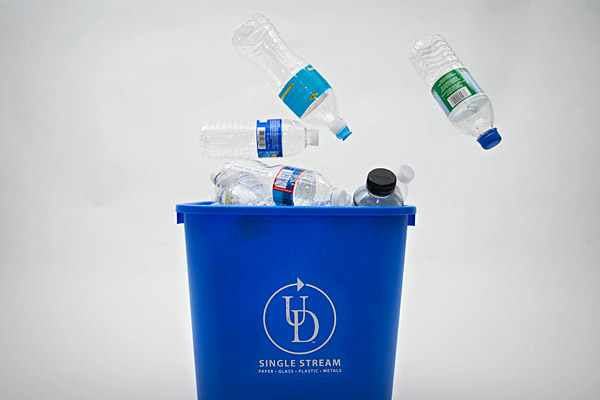
A team of chemical engineers has discovered a new way to make plastic bottles from biomass rather than petroleum, with researchers from the University of Massachusetts Amherst and the University of Delaware announcing the discovery on the heels of Earth Day.
The discovery demonstrates an efficient, renewable way to produce the chemical p-xylene, necessary in creating certain plastic containers. Xylene chemicals are used to produce a plastic called PET (polyethylene terephthalate), which is currently used in many products including soda bottles, food packaging, synthetic fibers for clothing and even automotive parts.
“You can mix our renewable chemical with the petroleum-based material and the consumer would not be able to tell the difference,” said Paul J. Dauenhauer, assistant professor of chemical engineering at UMass Amherst.
The research was published in the journal ACS Catalysis, a publication of the American Chemical Society.
The new process uses a zeolite catalyst capable of transforming glucose into p-xylene in a three-step reaction within a high-temperature biomass reactor. Researchers call this a major breakthrough since other methods of producing renewable p-xylene are either expensive or inefficient due to low yields.
"Our discovery shows remarkable potential for green plastics, particularly those used to distribute soft drinks and water,” said Dion Vlachos, director of the University of Delaware’s Catalysis Center for Energy Innovation (CCEI). “This technology could significantly reduce production costs for manufacturers of plastics from renewable sources."
A key to the success of the new process is using a catalyst specifically designed to promote the p-xylene reaction over other less desirable reactions.
“We discovered that the performance of the biomass reaction was strongly affected by the nanostructure of the catalyst, which we were able to optimize and achieve a 75 percent yield,” said Wei Fan, assistant professor of chemical engineering at UMass Amherst.
The research team believes further modifying the process could potentially boost the yield and make it even more economically attractive.
This discovery is a part of a larger effort by UD's Catalysis Center for Energy Innovation to create breakthrough technologies for the production of biofuels and chemicals from plant biomass. The center is funded by the U.S. Department of Energy as part of the Energy Frontiers Research Center program, which combines more than 20 faculty with complimentary research skills to collaborate on solving the world’s most pressing energy challenges.
“This is the new frontier in our center and an exciting advancement for biomass transformation," Vlachos said.
The discovery for the production of plastics adds another dimension to the already rich portfolio of accomplishments of CCEI. Notable examples include:
May 1, 2012
A team of chemical engineers has discovered a new way to make plastic bottles from biomass rather than petroleum, with researchers from the University of Massachusetts Amherst and the University of Delaware announcing the discovery on the heels of Earth Day.
The discovery demonstrates an efficient, renewable way to produce the chemical p-xylene, necessary in creating certain plastic containers. Xylene chemicals are used to produce a plastic called PET (polyethylene terephthalate), which is currently used in many products including soda bottles, food packaging, synthetic fibers for clothing and even automotive parts.
“You can mix our renewable chemical with the petroleum-based material and the consumer would not be able to tell the difference,” said Paul J. Dauenhauer, assistant professor of chemical engineering at UMass Amherst.
The research was published in the journal ACS Catalysis, a publication of the American Chemical Society.
The new process uses a zeolite catalyst capable of transforming glucose into p-xylene in a three-step reaction within a high-temperature biomass reactor. Researchers call this a major breakthrough since other methods of producing renewable p-xylene are either expensive or inefficient due to low yields.
"Our discovery shows remarkable potential for green plastics, particularly those used to distribute soft drinks and water,” said Dion Vlachos, director of the University of Delaware’s Catalysis Center for Energy Innovation (CCEI). “This technology could significantly reduce production costs for manufacturers of plastics from renewable sources."
A key to the success of the new process is using a catalyst specifically designed to promote the p-xylene reaction over other less desirable reactions.
“We discovered that the performance of the biomass reaction was strongly affected by the nanostructure of the catalyst, which we were able to optimize and achieve a 75 percent yield,” said Wei Fan, assistant professor of chemical engineering at UMass Amherst.
The research team believes further modifying the process could potentially boost the yield and make it even more economically attractive.
This discovery is a part of a larger effort by UD's Catalysis Center for Energy Innovation to create breakthrough technologies for the production of biofuels and chemicals from plant biomass. The center is funded by the U.S. Department of Energy as part of the Energy Frontiers Research Center program, which combines more than 20 faculty with complimentary research skills to collaborate on solving the world’s most pressing energy challenges.
“This is the new frontier in our center and an exciting advancement for biomass transformation," Vlachos said.
The discovery for the production of plastics adds another dimension to the already rich portfolio of accomplishments of CCEI. Notable examples include:
- a new Tin-Beta catalyst discovered by a research team led by Mark Davis of the California Institute of Technology, which has the potential to replace the costly and slow bioenzymatic process currently used to convert glucose to fructose;
- a novel fuel cell technology developed by a research team led by Ray Gorte and John Vohs at the University of Pennsylvania that converts solid biomass to electricity; and
- a catalytic fast pyrolysis technology developed by George Huber and Wei Fan of the University of Massachusetts Amherst that significantly improves the yield for aromatics that can be used as drop-in fuels, such as gasoline.
Posted by
Unknown
1 comments
Labels:
Biofuel,
Energy,
Green Energy,
Manufacturing,
Materials,
Research and Development
Monday, 23 April 2012
Study: Optimizing biofuel supply chain is a competitive game
Engineerblogger
April 24, 2012
As biofuel production has increased – particularly ethanol derived from corn – a hotly contested competition for feedstock supplies has emerged between the agricultural grain markets and biofuel refineries. This competition has sparked concern for the more fundamental issue of allocating limited farmland resources, which has far-reaching implications for food security, energy security and environmental sustainability.
Numerous studies of land use, food prices, environmental impact and more have fed the so-called “food versus fuel” debate. However, according to new models created by University of Illinois researchers, most studies so far have overlooked a key factor: selfish and possibly competing interests of the biofuel industry and individual farmers, who independently seek the most profit from their crops.
“We looked at competition among farmers and between the refinery and the food market and put them into one model to optimize the whole system,” said Yanfeng Ouyang, a professor of civil and environmental engineering. “A lot of researchers now working on biofuel supply chain optimization have not been able to develop a holistic model that can address such complex interactions among multiple stakeholders in a comprehensive framework.”
Most such studies have assumed that farmers act collectively or in corporation, but in reality each farmer is competing for his own market share. Farmers individually have a choice to sell to the grain market, to the refineries or to some combination of the two, based on the price at each outlet and the cost of transportation. Furthermore, refineries have finite capacities, so farmers are competing with each other to sell to them. The grain market, too, has its limits: If the grain market is flooded with excess corn, prices drop. In turn, refineries can then offer lower prices for ethanol corn.
“At the end of the day, how much a farmer produces to sell to the market depends on the market price of the corn,” said Jong-Shi Pang, the Caterpillar Professor and the head of industrial and enterprise systems engineering at the U. of I. “The farmers need to take into account what the refinery is offering to them but at the same time also be mindful of their production. The amount sold to the market determines the price on the market, which in turn influences everyone’s production. That’s the kind of decision-making problems that all the players have to resolve.”
Taking these complicated competing interests into account, the U. of I. team developed models of the system, using corn production and sales in Illinois as a case study. They published their findings in the journal Energy Economics.
The researchers applied the models to various business scenarios; for example, farmers cooperating with the biofuel industry through farmland leasing or acquisition. The estimated improvement in overall system profit can provide guidelines for how much effort stakeholders should invest to achieve such business scenarios.
The models provide guidelines for optimizing the biofuel supply chain – where to place biorefineries and what capacities to assign them to maximize profit. The researchers considered the delicate balance such refineries must strike: Pay the farmers enough to persuade them to sell, but not so much that it cuts into their own profits. Location and price are two important factors guiding a farmer’s decision to sell to the refinery.
The researchers also used their models to quantitatively evaluate the effect on farmers and food prices when a biofuel supply chain is introduced to a market. They found that diverting some of the corn crop to ethanol affects food prices to varying degrees. However, the overall system welfare improved, with farmers being the primary beneficiaries.
“We do see that the competition is likely to bring benefit to the farmers,” Ouyang said. “The farmers used to have to sell to the grain markets; now they have more alternatives. They can do further bidding and negotiating.”
The researchers will continue to refine their models, adding additional considerations such as environmental impact, production fluctuations, land-use diversity and crop rotation. They also hope to design mechanisms to drive self-interested stakeholders toward socially desirable business practices.
Graduate student Yun Bai was the lead author of the paper. The National Science Foundation supported this work.
Source: University of Illinois at Urbana-Champaign
Additional Information:
April 24, 2012
As biofuel production has increased – particularly ethanol derived from corn – a hotly contested competition for feedstock supplies has emerged between the agricultural grain markets and biofuel refineries. This competition has sparked concern for the more fundamental issue of allocating limited farmland resources, which has far-reaching implications for food security, energy security and environmental sustainability.
Numerous studies of land use, food prices, environmental impact and more have fed the so-called “food versus fuel” debate. However, according to new models created by University of Illinois researchers, most studies so far have overlooked a key factor: selfish and possibly competing interests of the biofuel industry and individual farmers, who independently seek the most profit from their crops.
“We looked at competition among farmers and between the refinery and the food market and put them into one model to optimize the whole system,” said Yanfeng Ouyang, a professor of civil and environmental engineering. “A lot of researchers now working on biofuel supply chain optimization have not been able to develop a holistic model that can address such complex interactions among multiple stakeholders in a comprehensive framework.”
Most such studies have assumed that farmers act collectively or in corporation, but in reality each farmer is competing for his own market share. Farmers individually have a choice to sell to the grain market, to the refineries or to some combination of the two, based on the price at each outlet and the cost of transportation. Furthermore, refineries have finite capacities, so farmers are competing with each other to sell to them. The grain market, too, has its limits: If the grain market is flooded with excess corn, prices drop. In turn, refineries can then offer lower prices for ethanol corn.
“At the end of the day, how much a farmer produces to sell to the market depends on the market price of the corn,” said Jong-Shi Pang, the Caterpillar Professor and the head of industrial and enterprise systems engineering at the U. of I. “The farmers need to take into account what the refinery is offering to them but at the same time also be mindful of their production. The amount sold to the market determines the price on the market, which in turn influences everyone’s production. That’s the kind of decision-making problems that all the players have to resolve.”
Taking these complicated competing interests into account, the U. of I. team developed models of the system, using corn production and sales in Illinois as a case study. They published their findings in the journal Energy Economics.
The researchers applied the models to various business scenarios; for example, farmers cooperating with the biofuel industry through farmland leasing or acquisition. The estimated improvement in overall system profit can provide guidelines for how much effort stakeholders should invest to achieve such business scenarios.
The models provide guidelines for optimizing the biofuel supply chain – where to place biorefineries and what capacities to assign them to maximize profit. The researchers considered the delicate balance such refineries must strike: Pay the farmers enough to persuade them to sell, but not so much that it cuts into their own profits. Location and price are two important factors guiding a farmer’s decision to sell to the refinery.
The researchers also used their models to quantitatively evaluate the effect on farmers and food prices when a biofuel supply chain is introduced to a market. They found that diverting some of the corn crop to ethanol affects food prices to varying degrees. However, the overall system welfare improved, with farmers being the primary beneficiaries.
“We do see that the competition is likely to bring benefit to the farmers,” Ouyang said. “The farmers used to have to sell to the grain markets; now they have more alternatives. They can do further bidding and negotiating.”
The researchers will continue to refine their models, adding additional considerations such as environmental impact, production fluctuations, land-use diversity and crop rotation. They also hope to design mechanisms to drive self-interested stakeholders toward socially desirable business practices.
Graduate student Yun Bai was the lead author of the paper. The National Science Foundation supported this work.
Source: University of Illinois at Urbana-Champaign
Additional Information:
- The paper, “Biofuel Supply Chain Design Under Competitive Agricultural Land Use and Feedstock Market Equilibrium,” is available online.
Posted by
Unknown
0
comments
Labels:
Biofuel,
business,
Education,
Energy,
Manufacturing,
Research and Development
Wednesday, 4 April 2012
Technology could transform bins into power generators
Engineerblogger
April 4, 2012
A new waste-to-energy technology fitted within a shipping container could turn bins into power generators.
Developed by Southampton-based SEaB Energy, the ‘MuckBuster’ relies on conventional anaerobic digestion technology to turn food, manure and septic waste into a useful biogas (methane) that is collected and stored in a low-pressure gasbag.
Sandra Sassow, chief executive officer of SEaB Energy, told The Engineer: ‘A CHP unit is used to convert the biogas (methane) to electricity and heat. We also recycle the fluids, use heat exchangers and dewater the digestate to produce liquid fertiliser and mulch.’
SEaB Energy believes that by fitting conventional anaerobic digestion technology and a gas collector into a 40ft shipping container, the £95,000 MuckBuster will become more appealing for use on a commercial scale. Customers are being told that they can recuperate the initial costs in two to five years, depending on the quality of the feedstock.
The MuckBuster has been designed to handle between 0.5 tonnes to 2.5 tonnes of waste.
‘The units can be spread across a larger site to increase the capacity, allowing for the installation of multiple units,’ said Sassow. ‘So, for example, a greenhouse grower could site one at the end of each group of polytunnels, use the green waste to produce energy, feed the waste CO2 into the polytunnels for the plants, and use the fertiliser and mulch for feeding the plants.’
‘We want to empower businesses to make money from their waste,’ said Sassow. The company claims that the MuckBuster could be of particular use to supermarkets, hotels, schools, hospitals and potentially even apartment blocks.
SEaB Energy is in the process of shipping and installing units for its first three unnamed customers, which include an office park, a fruit and vegetable packaging facility, and an agricultural college.
The company recently took its product to San Francisco on the Clean and Cool Mission with the aim of securing between $4.5m–$14m from investors to scale up production and roll out the technology on a global scale.
Following the trip, Sassow explained she has also received expressions of interest from manufacturing and distribution partners.
Source: The Engineer
April 4, 2012
A new waste-to-energy technology fitted within a shipping container could turn bins into power generators.
Developed by Southampton-based SEaB Energy, the ‘MuckBuster’ relies on conventional anaerobic digestion technology to turn food, manure and septic waste into a useful biogas (methane) that is collected and stored in a low-pressure gasbag.
Sandra Sassow, chief executive officer of SEaB Energy, told The Engineer: ‘A CHP unit is used to convert the biogas (methane) to electricity and heat. We also recycle the fluids, use heat exchangers and dewater the digestate to produce liquid fertiliser and mulch.’
SEaB Energy believes that by fitting conventional anaerobic digestion technology and a gas collector into a 40ft shipping container, the £95,000 MuckBuster will become more appealing for use on a commercial scale. Customers are being told that they can recuperate the initial costs in two to five years, depending on the quality of the feedstock.
The MuckBuster has been designed to handle between 0.5 tonnes to 2.5 tonnes of waste.
‘The units can be spread across a larger site to increase the capacity, allowing for the installation of multiple units,’ said Sassow. ‘So, for example, a greenhouse grower could site one at the end of each group of polytunnels, use the green waste to produce energy, feed the waste CO2 into the polytunnels for the plants, and use the fertiliser and mulch for feeding the plants.’
‘We want to empower businesses to make money from their waste,’ said Sassow. The company claims that the MuckBuster could be of particular use to supermarkets, hotels, schools, hospitals and potentially even apartment blocks.
SEaB Energy is in the process of shipping and installing units for its first three unnamed customers, which include an office park, a fruit and vegetable packaging facility, and an agricultural college.
The company recently took its product to San Francisco on the Clean and Cool Mission with the aim of securing between $4.5m–$14m from investors to scale up production and roll out the technology on a global scale.
Following the trip, Sassow explained she has also received expressions of interest from manufacturing and distribution partners.
Source: The Engineer
Posted by
Unknown
0
comments
Labels:
Biofuel,
Energy,
Green Energy,
Research and Development,
UK
Tuesday, 27 March 2012
New Synthetic Biology Technique Boosts Microbial Production of Diesel Fuel
Engineerblogger
March 27, 2012
Significant boosts in the microbial production of clean, green and renewable biodiesel fuel has been achieved with the development of a new technique in synthetic biology by researchers with the U.S. Department of Energy (DOE)’s Joint BioEnergy Institute (JBEI). This new technique – dubbed a dynamic sensor-regulator system (DSRS) – can detect metabolic changes in microbes during the production of fatty acid-based fuels or chemicals and control the expression of genes affecting that production. The result in one demonstration was a threefold increase in the microbial production of biodiesel from glucose.
“The DSRS is an amazing and powerful new tool, the first example of a synthetic system that can dynamically regulate a metabolic pathway for improving production of fatty acid-based fuels and chemicals while the microbes are in the bioreactor,” says Jay Keasling, CEO of JBEI and one of the world’s foremost practitioners of synthetic biology, who led this research.
Keasling, who also serves as the Associate Laboratory Director for Biosciences at Lawrence Berkeley National Laboratory (Berkeley Lab) is the corresponding author of a paper describing this research in Nature Biotechnology. The paper is titled “Design of a dynamic sensor-regulator system for production of FAbased chemicals and fuels.” Co-authors are Fuzhong Zhang and James Carothers of JBEI’s Fuels Synthesis Division, which is directed by Keasling.
The need for new transportation fuels that are renewable and can be produced in a sustainable fashion has never been more urgent. Scientific studies have consistently shown that liquid fuels derived from plant biomass are one of the best alternatives if a cost-effective means of commercial production can be found. Major research efforts to this end are focused on fatty acids – the energy-rich molecules in plant cells that have been dubbed nature’s petroleum. Fatty acids now serve as the raw materials not only for biodiesel fuel, but also for a wide range of important chemical products including surfactants, solvents and lubricants.
“Microbial production of fuels and chemicals from fatty acids is a greener and sustainable alternative to chemical synthesis,” says Zhang, who is the lead author of the Nature Biology paper. “However, high productivities, titers and yields are essential for microbial production of these chemical products to be economically viable, particularly in the cases of biofuels and low-value bulk chemicals.”
Hampering microbial production of fatty acid-based chemicals has been metabolic imbalances during product synthesis.
“Expression of pathway genes at too low a level creates bottlenecks in biosynthetic pathways, whereas expression at too high a level diverts cellular resources to the production of unnecessary enzymes or intermediate metabolites that might otherwise be devoted to the desired chemical,” Zhang says. “Furthermore, the accumulation of these enzymes and intermediate metabolites can have a toxic effect on the microbes, reducing yield and productivity.”
Using the tools of synthetic biology, there have been several strategies developed to meet this challenge but these previous strategies only provide static control of gene expression levels.
“When a gene expression control system is tuned for a particular condition in the bioreactor and the conditions change, the control system will not be able to respond and product synthesis will suffer as a result,” Zhang says.
The DSRS responds to the metabolic status of the microbe in the bioreactor during synthesis by sensing key intermediate metabolites in an engineered pathway. The DSRS then regulates the genes that control the production and consumption of these intermediates to allow their delivery at levels and rates that optimize the pathway for maximum productivity as conditions change in the bioreactor.
“Nature has evolved sensors that can be used to sense the biosynthetic intermediate, but naturally-occurring regulators will rarely suffice to regulate an engineered pathway because these regulators were evolved to support host survival, rather than making chemicals in large quantity,” Zhang says.
To create their DSRS, Zhang, Keasling and Carothers focused on a strain of Escherichia coli (E. coli) bacteria engineered at JBEI to produce diesel fuel directly from glucose. E. coli is a well-studied microorganism whose natural ability to synthesize fatty acids and exceptional amenability to genetic manipulation make it an ideal target for biofuels research. In this latest work, the JBEI researchers first developed biosensors for a key intermediate metabolite – fatty acyl-CoA – in the diesel biosynthetic pathway. They then developed a set of promoters (segments of DNA) that boost the expression of specific genes in response to cellular acyl-CoA levels. These synthetic promoters only become fully activated when both fatty acids and the inducer reagent known as “IPTG” are present.
“For a tightly regulated metabolic pathway to maximize product yields, it is essential that leaky gene expressions from promoters be eliminated,” Zhang says. “Since our hybrid promoters are repressed until induced by IPTG, and the induction levels can be tuned automatically by the FA/acyl-CoA level, they can be readily used to regulate production of biodiesel and other fatty acid-based chemicals.”
Introducing the DSRS into the biodiesel-producing strain of E.coli improved the stability of this strain and tripled the yield of fuel, reaching 28-percent of the theoretical maximum. With further refinements of the technique, yields should go even higher. The DSRS should also be applicable to the microbial production of other chemical products, both fatty acid-based and beyond.
“Given the large number of natural sensors available, our DSRS strategy can be extended to many other biosynthetic pathways to balance metabolism, increase product titers and yields, and stabilize production hosts,” Zhang says. “It should one day be possible to dynamically regulate any metabolic pathway, regardless of whether a natural sensor is available or not, to make microbial production of commodity chemicals and fuels competitive on a commercial scale.”
This research was supported in part by the DOE Office of Science, and in part by the National Science Foundation through the Synthetic Biology Engineering Research Center (SynBERC).
Source: Lawrence Berkeley National Laboratory (Berkeley Lab)
Additional Information:
March 27, 2012
Significant boosts in the microbial production of clean, green and renewable biodiesel fuel has been achieved with the development of a new technique in synthetic biology by researchers with the U.S. Department of Energy (DOE)’s Joint BioEnergy Institute (JBEI). This new technique – dubbed a dynamic sensor-regulator system (DSRS) – can detect metabolic changes in microbes during the production of fatty acid-based fuels or chemicals and control the expression of genes affecting that production. The result in one demonstration was a threefold increase in the microbial production of biodiesel from glucose.
“The DSRS is an amazing and powerful new tool, the first example of a synthetic system that can dynamically regulate a metabolic pathway for improving production of fatty acid-based fuels and chemicals while the microbes are in the bioreactor,” says Jay Keasling, CEO of JBEI and one of the world’s foremost practitioners of synthetic biology, who led this research.
Keasling, who also serves as the Associate Laboratory Director for Biosciences at Lawrence Berkeley National Laboratory (Berkeley Lab) is the corresponding author of a paper describing this research in Nature Biotechnology. The paper is titled “Design of a dynamic sensor-regulator system for production of FAbased chemicals and fuels.” Co-authors are Fuzhong Zhang and James Carothers of JBEI’s Fuels Synthesis Division, which is directed by Keasling.
The need for new transportation fuels that are renewable and can be produced in a sustainable fashion has never been more urgent. Scientific studies have consistently shown that liquid fuels derived from plant biomass are one of the best alternatives if a cost-effective means of commercial production can be found. Major research efforts to this end are focused on fatty acids – the energy-rich molecules in plant cells that have been dubbed nature’s petroleum. Fatty acids now serve as the raw materials not only for biodiesel fuel, but also for a wide range of important chemical products including surfactants, solvents and lubricants.
“Microbial production of fuels and chemicals from fatty acids is a greener and sustainable alternative to chemical synthesis,” says Zhang, who is the lead author of the Nature Biology paper. “However, high productivities, titers and yields are essential for microbial production of these chemical products to be economically viable, particularly in the cases of biofuels and low-value bulk chemicals.”
Hampering microbial production of fatty acid-based chemicals has been metabolic imbalances during product synthesis.
“Expression of pathway genes at too low a level creates bottlenecks in biosynthetic pathways, whereas expression at too high a level diverts cellular resources to the production of unnecessary enzymes or intermediate metabolites that might otherwise be devoted to the desired chemical,” Zhang says. “Furthermore, the accumulation of these enzymes and intermediate metabolites can have a toxic effect on the microbes, reducing yield and productivity.”
Using the tools of synthetic biology, there have been several strategies developed to meet this challenge but these previous strategies only provide static control of gene expression levels.
“When a gene expression control system is tuned for a particular condition in the bioreactor and the conditions change, the control system will not be able to respond and product synthesis will suffer as a result,” Zhang says.
The DSRS responds to the metabolic status of the microbe in the bioreactor during synthesis by sensing key intermediate metabolites in an engineered pathway. The DSRS then regulates the genes that control the production and consumption of these intermediates to allow their delivery at levels and rates that optimize the pathway for maximum productivity as conditions change in the bioreactor.
“Nature has evolved sensors that can be used to sense the biosynthetic intermediate, but naturally-occurring regulators will rarely suffice to regulate an engineered pathway because these regulators were evolved to support host survival, rather than making chemicals in large quantity,” Zhang says.
To create their DSRS, Zhang, Keasling and Carothers focused on a strain of Escherichia coli (E. coli) bacteria engineered at JBEI to produce diesel fuel directly from glucose. E. coli is a well-studied microorganism whose natural ability to synthesize fatty acids and exceptional amenability to genetic manipulation make it an ideal target for biofuels research. In this latest work, the JBEI researchers first developed biosensors for a key intermediate metabolite – fatty acyl-CoA – in the diesel biosynthetic pathway. They then developed a set of promoters (segments of DNA) that boost the expression of specific genes in response to cellular acyl-CoA levels. These synthetic promoters only become fully activated when both fatty acids and the inducer reagent known as “IPTG” are present.
“For a tightly regulated metabolic pathway to maximize product yields, it is essential that leaky gene expressions from promoters be eliminated,” Zhang says. “Since our hybrid promoters are repressed until induced by IPTG, and the induction levels can be tuned automatically by the FA/acyl-CoA level, they can be readily used to regulate production of biodiesel and other fatty acid-based chemicals.”
Introducing the DSRS into the biodiesel-producing strain of E.coli improved the stability of this strain and tripled the yield of fuel, reaching 28-percent of the theoretical maximum. With further refinements of the technique, yields should go even higher. The DSRS should also be applicable to the microbial production of other chemical products, both fatty acid-based and beyond.
“Given the large number of natural sensors available, our DSRS strategy can be extended to many other biosynthetic pathways to balance metabolism, increase product titers and yields, and stabilize production hosts,” Zhang says. “It should one day be possible to dynamically regulate any metabolic pathway, regardless of whether a natural sensor is available or not, to make microbial production of commodity chemicals and fuels competitive on a commercial scale.”
This research was supported in part by the DOE Office of Science, and in part by the National Science Foundation through the Synthetic Biology Engineering Research Center (SynBERC).
Source: Lawrence Berkeley National Laboratory (Berkeley Lab)
Additional Information:
Posted by
Unknown
0
comments
Labels:
Biofuel,
Energy,
National Laboratory,
Research and Development,
Science
Tuesday, 20 March 2012
From food waste to bus fuel and biofertiliser
Engineerblogger
March 20, 2012
Banana peel, coffee grounds and other food waste will be transformed into green fuel for Oslo’s city buses starting next year. The Norwegian capital’s new biogas plant will also supply nutrient-rich biofertiliser for agriculture.
The plant will be able to process 50 000 tonnes of food waste annually, converting it to environment-friendly fuel for 135 municipal buses as well as enough biofertiliser for roughly 100 medium-sized local farms. The biogas production processes were developed through long-term Norwegian research with funding from the Research Council of Norway.
Biogas reduces emissions
Biogas is a CO2-neutral fuel produced from biological material such as food waste, sewage sludge and manure.
Already, 65 Oslo buses are powered by biogas produced from sludge from the city’s sewage treatment plant. When the new biogas plant reaches its full capacity in 2013, the local bus company will have enough biogas for at least 200 buses.
“Running on biogas will reduce emissions from public transport, which means less airborne particulate matter and thus improved air quality in Oslo. What’s more, the biogas buses run quietly,” explains acting plant manager Anna-Karin Eriksson of the Oslo Municipality Waste-to-Energy Agency (EGE).
Biogas not only helps to improve air quality, it is meant to be good business as well. The new plant is slated to produce the energy equivalent of 4 million litres of diesel fuel – valued at the very least at NOK 30–40 million annually given current diesel prices.
Extensively researched
The new plant is being constructed by the Norwegian company Cambi AS, which won the contract after intense competition with foreign companies.
For over 20 years, Cambi has been developing technology for converting biodegradable material into renewable energy. The company has carried out a number of research projects that have received public funding from the Research Council and the former Norwegian Industrial and Regional Development Fund (now part of Innovation Norway).
Cambi’s Research Council funding was provided under the Large-scale Research Programme on Clean Energy for the Future (RENERGI). The company is also an industry partner in the Bioenergy Innovation Centre (CenBio), one of Norway’s 11 Centres for Environment-friendly Energy Research.
Internationally successful
The new plant will produce biogas using a method known as thermal hydrolysis, whereby raw materials such as waste or sewage sludge are boiled under both high temperatures and pressure. Cambi has worked out a hydrolysis process that yields substantially more biogas compared to conventional facilities.
So far the company has designed and delivered 28 plants for converting biodegradable material into renewable energy. Their plants are processing waste and sludge from a total of 23 million people in the US, Australia, Chile, Japan, Dubai and many European countries.
Valuable fertiliser from biowaste
The effluent (residue) from the biogas production process may be used as liquid fertiliser with roughly the same nutrient content as compound fertiliser. The new plant, located north of Oslo, will supply both liquid and solid biofertiliser in addition to a liquid concentrate.
“We’ve shown that biowaste has substantial value in itself and is well worth utilising,” asserts Per Lillebø, chair of Cambi ASA. “The fertiliser produced is a vital part of the biological cycle.”
Biofertiliser also has two main advantages that farmers’ neighbours will no doubt appreciate: it is sterilised and odour-free.
Source: The Research Council of Norway
March 20, 2012
Banana peel, coffee grounds and other food waste will be transformed into green fuel for Oslo’s city buses starting next year. The Norwegian capital’s new biogas plant will also supply nutrient-rich biofertiliser for agriculture.
The plant will be able to process 50 000 tonnes of food waste annually, converting it to environment-friendly fuel for 135 municipal buses as well as enough biofertiliser for roughly 100 medium-sized local farms. The biogas production processes were developed through long-term Norwegian research with funding from the Research Council of Norway.
Biogas reduces emissions
Biogas is a CO2-neutral fuel produced from biological material such as food waste, sewage sludge and manure.
Already, 65 Oslo buses are powered by biogas produced from sludge from the city’s sewage treatment plant. When the new biogas plant reaches its full capacity in 2013, the local bus company will have enough biogas for at least 200 buses.
“Running on biogas will reduce emissions from public transport, which means less airborne particulate matter and thus improved air quality in Oslo. What’s more, the biogas buses run quietly,” explains acting plant manager Anna-Karin Eriksson of the Oslo Municipality Waste-to-Energy Agency (EGE).
Biogas not only helps to improve air quality, it is meant to be good business as well. The new plant is slated to produce the energy equivalent of 4 million litres of diesel fuel – valued at the very least at NOK 30–40 million annually given current diesel prices.
Extensively researched
The new plant is being constructed by the Norwegian company Cambi AS, which won the contract after intense competition with foreign companies.
For over 20 years, Cambi has been developing technology for converting biodegradable material into renewable energy. The company has carried out a number of research projects that have received public funding from the Research Council and the former Norwegian Industrial and Regional Development Fund (now part of Innovation Norway).
Cambi’s Research Council funding was provided under the Large-scale Research Programme on Clean Energy for the Future (RENERGI). The company is also an industry partner in the Bioenergy Innovation Centre (CenBio), one of Norway’s 11 Centres for Environment-friendly Energy Research.
Oslos new biogas plant is being constructed by the Norwegian company Cambi AS.
|
Internationally successful
The new plant will produce biogas using a method known as thermal hydrolysis, whereby raw materials such as waste or sewage sludge are boiled under both high temperatures and pressure. Cambi has worked out a hydrolysis process that yields substantially more biogas compared to conventional facilities.
So far the company has designed and delivered 28 plants for converting biodegradable material into renewable energy. Their plants are processing waste and sludge from a total of 23 million people in the US, Australia, Chile, Japan, Dubai and many European countries.
Valuable fertiliser from biowaste
The effluent (residue) from the biogas production process may be used as liquid fertiliser with roughly the same nutrient content as compound fertiliser. The new plant, located north of Oslo, will supply both liquid and solid biofertiliser in addition to a liquid concentrate.
“We’ve shown that biowaste has substantial value in itself and is well worth utilising,” asserts Per Lillebø, chair of Cambi ASA. “The fertiliser produced is a vital part of the biological cycle.”
Biofertiliser also has two main advantages that farmers’ neighbours will no doubt appreciate: it is sterilised and odour-free.
Source: The Research Council of Norway
Posted by
Unknown
0
comments
Labels:
Biofuel,
Energy,
Europe,
Green Energy,
Technology
Thursday, 15 March 2012
Algae species explored for both biofuel source and pollution control
Engineerblogger
March 15, 2012
The tiny, plant-like Heterosigma akashiwo is too small to see with the naked eye, but the microscopic algae may pack a big environmental punch. University of Delaware researchers are studying whether the species can neutralize harmful smokestack emissions – and also serve as a source of eco-friendly biofuel.
The project is an outgrowth of biochemist Kathryn Coyne’s study into the ecology of H. akashiwo, which thrives in Delaware and worldwide. Coyne and her postdoctoral fellow, Jennifer Stewart, found that the algae contain a special enzyme with the unusual ability to detoxify nitric oxide, one of multiple contaminants released through industrial chimneys as flue gas.
Based on the discovery of that enzyme, Coyne and Stewart decided to explore the possibility of recruiting the algae for pollution control. They knew that other scientists were trying to use different types of algae to reduce emissions of another flue gas component, carbon dioxide, since algae need carbon dioxide to grow.
“The problem with those attempts was that the nitric oxide also present in flue gas usually killed the algae,” said Coyne, assistant professor of marine biosciences. “It’s very harmful.”
That’s where H. akashiwo’s special enzyme may come in handy. The protein may enable the algae to convert harmful nitric oxide into innocuous nitrate, while the algae are also metabolizing carbon dioxide.
In addition to having pollution-fighting potential, H. akashiwo is a proven source of biofuel. Rising petroleum prices and finite quantities of fossil fuels are prompting demand for renewable energy sources, and algae-derived biofuel is already powering some trains, jets and other machines.
Adding nitrogen is an important but costly step in the process of making biofuel. H. akashiwo’s ability to use nitric oxide from flue gas essentially eliminates that step.
Coyne’s project is still in the early stages, having only recently received funding from Delaware Sea Grant. Before investigating commercial applications, Coyne will need to examine the long-term effects of flue gas on the algae’s physiology. She will also evaluate how well H. akashiwo uses nitric oxide as a nitrogen source and how light intensities affect its production of the lipids and fatty acids used to make biofuel.
Yet the potential upsides could be great. Existing methods of cleaning factory gas before it is released into the air are labor-intensive and costly, so algae pose a natural and potentially cheaper alternative. They also contain a high proportion of the fats needed to make biofuel.
“Algal biofuels are great values,” Coyne said. “Compared to crops like corn and soybeans, the same mass of algae can produce greater quantities of biofuel.”
Source: University of Delaware
March 15, 2012
| Kathryn Coyne, assistant professor of marine biosciences, is studying algae as a source of biofuel and pollution control. |
The tiny, plant-like Heterosigma akashiwo is too small to see with the naked eye, but the microscopic algae may pack a big environmental punch. University of Delaware researchers are studying whether the species can neutralize harmful smokestack emissions – and also serve as a source of eco-friendly biofuel.
The project is an outgrowth of biochemist Kathryn Coyne’s study into the ecology of H. akashiwo, which thrives in Delaware and worldwide. Coyne and her postdoctoral fellow, Jennifer Stewart, found that the algae contain a special enzyme with the unusual ability to detoxify nitric oxide, one of multiple contaminants released through industrial chimneys as flue gas.
Based on the discovery of that enzyme, Coyne and Stewart decided to explore the possibility of recruiting the algae for pollution control. They knew that other scientists were trying to use different types of algae to reduce emissions of another flue gas component, carbon dioxide, since algae need carbon dioxide to grow.
“The problem with those attempts was that the nitric oxide also present in flue gas usually killed the algae,” said Coyne, assistant professor of marine biosciences. “It’s very harmful.”
That’s where H. akashiwo’s special enzyme may come in handy. The protein may enable the algae to convert harmful nitric oxide into innocuous nitrate, while the algae are also metabolizing carbon dioxide.
In addition to having pollution-fighting potential, H. akashiwo is a proven source of biofuel. Rising petroleum prices and finite quantities of fossil fuels are prompting demand for renewable energy sources, and algae-derived biofuel is already powering some trains, jets and other machines.
Adding nitrogen is an important but costly step in the process of making biofuel. H. akashiwo’s ability to use nitric oxide from flue gas essentially eliminates that step.
Coyne’s project is still in the early stages, having only recently received funding from Delaware Sea Grant. Before investigating commercial applications, Coyne will need to examine the long-term effects of flue gas on the algae’s physiology. She will also evaluate how well H. akashiwo uses nitric oxide as a nitrogen source and how light intensities affect its production of the lipids and fatty acids used to make biofuel.
Yet the potential upsides could be great. Existing methods of cleaning factory gas before it is released into the air are labor-intensive and costly, so algae pose a natural and potentially cheaper alternative. They also contain a high proportion of the fats needed to make biofuel.
“Algal biofuels are great values,” Coyne said. “Compared to crops like corn and soybeans, the same mass of algae can produce greater quantities of biofuel.”
Source: University of Delaware
Posted by
Unknown
0
comments
Labels:
Biofuel,
Education,
Environment,
Research and Development,
United States
Wednesday, 14 March 2012
A Fragrant New Biofuel: Researchers Develop a New Candidate for a Cleaner, Greener and Renewable Diesel Fuel
Engineerblogger
March 14, 2012
A class of chemical compounds best known today for fragrance and flavor may one day provide the clean, green and renewable fuel with which truck and auto drivers fill their tanks. Researchers at the U.S. Department of Energy’s Joint BioEnergy Institute (JBEI) have engineered Escherichia coli (E. coli) bacteria to generate significant quantities of methyl ketone compounds from glucose. In subsequent tests, these methyl ketones yielded high cetane numbers – a diesel fuel rating comparable to the octane number for gasoline – making them strong candidates for the production of advanced biofuels.
“Our findings add to the list of naturally occurring chemical compounds that could serve as biofuels, which means more flexibility and options for the biofuels industry,” says Harry Beller, a JBEI microbiologist who led this study. “We’re especially encouraged by our finding that it is possible to increase the methyl ketone titer production of E. coli more than 4,000-fold with a relatively small number of genetic modifications.”
Beller directs the Biofuels Pathways department for JBEI’s Fuels Synthesis Division, and also is a senior scientist with the Earth Sciences Division of Lawrence Berkeley National Laboratory (Berkeley Lab). He is the corresponding author of a paper describing this work titled “Engineering of Bacterial Methyl Ketone Synthesis for Biofuels,” which was published in the journal Applied and Environmental Microbiology. Co-authoring this paper were Ee-Been Goh, who is the first author on the paper, plus Edward Baidoo and Jay Keasling.
Advanced biofuels – liquid transportation fuels derived from the cellulosic biomass of perennial grasses and other non-food plants, as well as from agricultural waste – are highly touted as potential replacements for gasoline, diesel and jet fuels. Equally touted is the synthesis of these fuels through microbes that digest the biomass and convert its sugars into fuel molecules. At JBEI, researchers are focusing on developing advanced biofuels that can be used in today’s engines and distribution infrastructures. In previous research, Beller and his colleagues engineered E. coli with special enzymes to synthesize from fatty acids long-chain alkene hydrocarbons that can be turned into diesel fuel. Fatty acids are the energy-rich molecules in bacterial and plant cells that have been dubbed nature’s petroleum.
“In those studies, we noticed that bacteria engineered to produce unnaturally high levels of fatty acids also produced some methyl ketones,” Beller says. “When we tested the cetane numbers of these ketones and saw that they were quite favorable, we were prompted to look more closely at developing methyl ketones as biofuels.”
Methyl ketones are naturally occurring compounds discovered more than a century ago in the aromatic evergreen plant known as rue. Since then they’ve been found to be common in tomatoes and other plants, as well as insects and microorganisms. Today they are used to provide scents in essential oils and flavoring in cheese and other dairy products. Although native E. coli make virtually undetectable quantities of methyl ketones, Beller and his colleagues were able to overcome this deficiency using the same tools of synthetic biology they used to engineer high fatty acid-producing E.coli.
“For methyl ketone production, we made two major modifications to E. coli,” Beller says. “First we modified specific steps in beta-oxidation, the metabolic pathway that E. coli uses to break down fatty acids, and then we increased the expression of a native E. coli protein called FadM. These two modifications combined to greatly enhance the production of methyl ketones.”
Beller and his colleagues tested two methyl ketones for cetane numbers – undecanone and tridecanone. The cetane number is a measure of ignition delay during compression ignition; a higher number indicates a shorter ignition delay period and is more favorable than a lower number. In the United States, diesel fuel must have a minimum cetane number of 40. The cetane number for undecanone was 56.6. The number for a 50/50 mix of undecanone and tridecanone was 58.4 Despite this impressive performance, there was a concern that both these methyl ketones have a relatively high melting point, which is a disadvantage for cold-temperature fuel properties.
“We were able to mitigate the melting point problem in our best producing strains of E.coli by increasing the percentage of monounsaturated methyl ketones, which have much lower melting points than their saturated homologs,” Beller says.
For the next step, Beller and his colleagues will focus on increasing production and optimizing fuel properties of the methyl ketones by modulating their composition with respect to chain length and degree of unsaturation.
“Since these methyl ketones are fatty acid-derived compounds, we hope that advances that we make in enhancing their microbial production will have relevance to other fatty acid-derived biofuels as well,” Beller says.
This research was supported by JBEI through the DOE Office of Science.
Source: Lawrence Berkeley National Laboratory
March 14, 2012
| Harry Beller (foreground) and Ee-Been Goh of the Joint BioEnergy Institute have identified microbial-produced methyl ketones as strong biofuel candidates. (Photo by Roy Kaltschmidt, Berkeley Lab) |
A class of chemical compounds best known today for fragrance and flavor may one day provide the clean, green and renewable fuel with which truck and auto drivers fill their tanks. Researchers at the U.S. Department of Energy’s Joint BioEnergy Institute (JBEI) have engineered Escherichia coli (E. coli) bacteria to generate significant quantities of methyl ketone compounds from glucose. In subsequent tests, these methyl ketones yielded high cetane numbers – a diesel fuel rating comparable to the octane number for gasoline – making them strong candidates for the production of advanced biofuels.
“Our findings add to the list of naturally occurring chemical compounds that could serve as biofuels, which means more flexibility and options for the biofuels industry,” says Harry Beller, a JBEI microbiologist who led this study. “We’re especially encouraged by our finding that it is possible to increase the methyl ketone titer production of E. coli more than 4,000-fold with a relatively small number of genetic modifications.”
Beller directs the Biofuels Pathways department for JBEI’s Fuels Synthesis Division, and also is a senior scientist with the Earth Sciences Division of Lawrence Berkeley National Laboratory (Berkeley Lab). He is the corresponding author of a paper describing this work titled “Engineering of Bacterial Methyl Ketone Synthesis for Biofuels,” which was published in the journal Applied and Environmental Microbiology. Co-authoring this paper were Ee-Been Goh, who is the first author on the paper, plus Edward Baidoo and Jay Keasling.
Advanced biofuels – liquid transportation fuels derived from the cellulosic biomass of perennial grasses and other non-food plants, as well as from agricultural waste – are highly touted as potential replacements for gasoline, diesel and jet fuels. Equally touted is the synthesis of these fuels through microbes that digest the biomass and convert its sugars into fuel molecules. At JBEI, researchers are focusing on developing advanced biofuels that can be used in today’s engines and distribution infrastructures. In previous research, Beller and his colleagues engineered E. coli with special enzymes to synthesize from fatty acids long-chain alkene hydrocarbons that can be turned into diesel fuel. Fatty acids are the energy-rich molecules in bacterial and plant cells that have been dubbed nature’s petroleum.
“In those studies, we noticed that bacteria engineered to produce unnaturally high levels of fatty acids also produced some methyl ketones,” Beller says. “When we tested the cetane numbers of these ketones and saw that they were quite favorable, we were prompted to look more closely at developing methyl ketones as biofuels.”
Methyl ketones are naturally occurring compounds discovered more than a century ago in the aromatic evergreen plant known as rue. Since then they’ve been found to be common in tomatoes and other plants, as well as insects and microorganisms. Today they are used to provide scents in essential oils and flavoring in cheese and other dairy products. Although native E. coli make virtually undetectable quantities of methyl ketones, Beller and his colleagues were able to overcome this deficiency using the same tools of synthetic biology they used to engineer high fatty acid-producing E.coli.
“For methyl ketone production, we made two major modifications to E. coli,” Beller says. “First we modified specific steps in beta-oxidation, the metabolic pathway that E. coli uses to break down fatty acids, and then we increased the expression of a native E. coli protein called FadM. These two modifications combined to greatly enhance the production of methyl ketones.”
Beller and his colleagues tested two methyl ketones for cetane numbers – undecanone and tridecanone. The cetane number is a measure of ignition delay during compression ignition; a higher number indicates a shorter ignition delay period and is more favorable than a lower number. In the United States, diesel fuel must have a minimum cetane number of 40. The cetane number for undecanone was 56.6. The number for a 50/50 mix of undecanone and tridecanone was 58.4 Despite this impressive performance, there was a concern that both these methyl ketones have a relatively high melting point, which is a disadvantage for cold-temperature fuel properties.
“We were able to mitigate the melting point problem in our best producing strains of E.coli by increasing the percentage of monounsaturated methyl ketones, which have much lower melting points than their saturated homologs,” Beller says.
For the next step, Beller and his colleagues will focus on increasing production and optimizing fuel properties of the methyl ketones by modulating their composition with respect to chain length and degree of unsaturation.
“Since these methyl ketones are fatty acid-derived compounds, we hope that advances that we make in enhancing their microbial production will have relevance to other fatty acid-derived biofuels as well,” Beller says.
This research was supported by JBEI through the DOE Office of Science.
Source: Lawrence Berkeley National Laboratory
Posted by
Unknown
0
comments
Tuesday, 6 March 2012
Is Seaweed the Future of Biofuel?
Engineerblogger
March 6, 2012
As scientists continue the hunt for energy sources that are safer, cleaner alternatives to fossil fuel, an ever-increasing amount of valuable farmland is being used to produce bioethanol, a source of transportation fuel. And while land-bound sources are renewable, economists and ecologists fear that diverting crops to produce fuel will limit food resources and drive up costs.
Now, Prof. Avigdor Abelson of Tel Aviv University's Department of Zoology and the new Renewable Energy Center, and his colleagues Dr. Alvaro Israel of the Israel Oceanography Institute, Prof. Aharon Gedanken of Bar-Ilan University, Dr. Ariel Kushmaro of Ben-Gurion University, and their Ph.D. student Leor Korzen, have gone to the seas in the quest for a renewable energy source that doesn't endanger natural habitats, biodiversity, or human food sources.He says that marine macroalgae — common seaweed — can be grown more quickly than land-based crops and harvested as fuel without sacrificing usable land. It's a promising source of bioethanol that has remained virtually unexplored until now.
The researchers are now developing methods for growing and harvesting seaweed as a source of renewable energy. Not only can the macroalgae be grown unobtrusively along coastlines, Prof. Abelson notes, they can also clear the water of excessive nutrients — caused by human waste or aquaculture — which disturb the marine environment.
A man-made "ecosystem"
While biomasses grown on land have the potential to inflict damage on the environment, the researchers believe that producing biofuel from seaweed-based sources could even solve problems that already exist within the marine environment. Many coastal regions, including the Red Sea in the south of Israel, have suffered from eutrophication — pollution caused by human waste and fish farming, which leads to excessive amounts of nutrients and detrimental algae, ultimately harming endangered coral reefs.
Encouraging the growth of seaweed for eventual conversion into biofuel could solve these environmental problems. The system that the researchers are developing, called the "Combined Aquaculture Multi-Use Systems" (CAMUS), takes into account the realities of the marine environment and human activity in it. Ultimately, all of these factors function together to create a synthetic "man-made ecosystem," explains Prof. Abelson.
Man-made fish feeders, which produce pollution in the form of excess nutrients and are generally considered harmful to the marine environment, would become a positive link in this chain. Used alongside an increased population of filter feeders such as oysters, which suck in extra particles and convert them food that the microalgae can consume, this "pollution" could be used to sustain a much greater yield of seaweed, which is needed for seaweed to become a sustainable source of fuel.
"By employing multiple species, CAMUS can turn waste into productive resources such as biofuel, at the same time reducing pollution's impact on the local ecosystem," he says.
Turning waste into opportunity
The researchers are now working to increase the carbohydrate and sugar contents of the seaweed for efficient fermentation into bioethanol, and they believe that macroalgae will be a major source for biofuel in the future. The CAMUS system could turn seaweed into a sustainable bioethanol source that is productive, efficient, and cost-effective.
Source: Tel Aviv University
March 6, 2012
| Credit: TAU |
As scientists continue the hunt for energy sources that are safer, cleaner alternatives to fossil fuel, an ever-increasing amount of valuable farmland is being used to produce bioethanol, a source of transportation fuel. And while land-bound sources are renewable, economists and ecologists fear that diverting crops to produce fuel will limit food resources and drive up costs.
Now, Prof. Avigdor Abelson of Tel Aviv University's Department of Zoology and the new Renewable Energy Center, and his colleagues Dr. Alvaro Israel of the Israel Oceanography Institute, Prof. Aharon Gedanken of Bar-Ilan University, Dr. Ariel Kushmaro of Ben-Gurion University, and their Ph.D. student Leor Korzen, have gone to the seas in the quest for a renewable energy source that doesn't endanger natural habitats, biodiversity, or human food sources.He says that marine macroalgae — common seaweed — can be grown more quickly than land-based crops and harvested as fuel without sacrificing usable land. It's a promising source of bioethanol that has remained virtually unexplored until now.
The researchers are now developing methods for growing and harvesting seaweed as a source of renewable energy. Not only can the macroalgae be grown unobtrusively along coastlines, Prof. Abelson notes, they can also clear the water of excessive nutrients — caused by human waste or aquaculture — which disturb the marine environment.
A man-made "ecosystem"
While biomasses grown on land have the potential to inflict damage on the environment, the researchers believe that producing biofuel from seaweed-based sources could even solve problems that already exist within the marine environment. Many coastal regions, including the Red Sea in the south of Israel, have suffered from eutrophication — pollution caused by human waste and fish farming, which leads to excessive amounts of nutrients and detrimental algae, ultimately harming endangered coral reefs.
Encouraging the growth of seaweed for eventual conversion into biofuel could solve these environmental problems. The system that the researchers are developing, called the "Combined Aquaculture Multi-Use Systems" (CAMUS), takes into account the realities of the marine environment and human activity in it. Ultimately, all of these factors function together to create a synthetic "man-made ecosystem," explains Prof. Abelson.
Man-made fish feeders, which produce pollution in the form of excess nutrients and are generally considered harmful to the marine environment, would become a positive link in this chain. Used alongside an increased population of filter feeders such as oysters, which suck in extra particles and convert them food that the microalgae can consume, this "pollution" could be used to sustain a much greater yield of seaweed, which is needed for seaweed to become a sustainable source of fuel.
"By employing multiple species, CAMUS can turn waste into productive resources such as biofuel, at the same time reducing pollution's impact on the local ecosystem," he says.
Turning waste into opportunity
The researchers are now working to increase the carbohydrate and sugar contents of the seaweed for efficient fermentation into bioethanol, and they believe that macroalgae will be a major source for biofuel in the future. The CAMUS system could turn seaweed into a sustainable bioethanol source that is productive, efficient, and cost-effective.
Source: Tel Aviv University
Posted by
Unknown
0
comments
Thursday, 1 March 2012
National Grid, Advanced Plasma Power and Progressive Energy announce new project to transform waste into Bio Substitute Natural Gas
Engineerblogger
March 1, 2012
Project will deliver an end-to-end process for converting waste to Bio-SNG, using Gasplasma® technology
The first pilot project that demonstrates the use of waste to produce bio-substitute natural gas (Bio-SNG) has today been announced by National Grid, Advanced Plasma Power and Progressive Energy.
The project, which uses waste as a feedstock to produce Bio-SNG, will be based at the Advanced Plasma Power Gasplasma® facility in Swindon, UK. It will demonstrate the technical feasibility and commercial viability of the waste to Bio-SNG process. The three partners will work together to design, install and test the operation of a demonstration plant.
The plant will take the waste-derived and energy rich synthesis gas from the existing Gasplasma® process, and convert it to meet the specification for injecting it into the gas network. Bio-SNG could play a crucial role in the decarbonisation of heating and help reach the UK's binding carbon reduction targets. As part of its work on future energy scenarios, National Grid has forecast that renewable gas could be a vital part of the energy mix in the coming decades.
Marcus Stewart, Future Distribution Networks Manager at National Grid said, “This project is a great opportunity to look at the potential of Bio-SNG from both a technical and commercial perspective. The project underlines our commitment to seeking economic and innovative ways to decarbonise energy, while making the best use of the existing network. ”
It is estimated that renewable gas, of which Bio-SNG may be a major source, could account for as much as one fifth of the UK’s heat requirement by 2050.
Rolf Stein, Chief Executive, Advanced Plasma Power said, “The development and implementation of a process to derive Bio-SNG from waste using our unique Gasplasma® process has significant global implications for sustainable waste management and low carbon energy solutions. We look forward to demonstrating the process on our plant in Swindon.”
Phillip Cozens, Progressive Energy said, “"This project is a significant step towards greater resource efficiency in our economy, exploiting the capacity of the existing gas infrastructure and demonstrating the potential to deliver renewable heat at a cost that is competitive with other renewable heat options. The partnership has put together a strong project execution team to deliver a practical demonstration of Bio-SNG production from residual wastes. Successful demonstration would provide a blue-print for general deployment.”
National Grid:
National Grid is an electricity and gas company that connects consumers to energy sources through its networks. The company is at the heart of one of the greatest challenges facing our society - to create new, sustainable energy solutions for the future and developing an energy system that underpins economic prosperity in the 21st century. National Grid holds a vital position at the centre of the energy system and we ‘join everything up’. In Britain, we run the gas and electricity systems that our society is built on, delivering gas and electricity across the country. In the North Eastern US, we connect more than seven million gas and electric customers to vital energy sources, essential for our modern lifestyles.
Advanced Plasma Power:
Advanced Plasma Power Limited (APP) is a leading technology provider for advanced waste to energy plants, showcasing its globally patented Gasplasma® technology. After the removal of valuable recyclates, the Gasplasma® process treats a wide range of feedstocks including residual municipal solid waste and commercial/industrial waste converting it all into two high value outputs: a clean, high quality, energy rich synthesis gas (syngas) and a solid, vitrified product each with multiple applications. The syngas can be used to generate electricity directly in gas engines, gas turbines and fuel cells or it can be converted to Bio-SNG or liquid fuels. The solid product, Plasmarok®, has a variety of valuable end uses, for instance, as a building material. The process is clean, modular and scalable, delivering high efficiency and maximising landfill diversion whilst minimising visual and environmental impact.
Progressive Energy:
Progressive Energy is a market leading project development company, specialising in clean energy and carbon abatement in the energy sector through the deployment of carbon capture and storage and renewable energy technologies.
Source: National Grid
March 1, 2012
Project will deliver an end-to-end process for converting waste to Bio-SNG, using Gasplasma® technology
The first pilot project that demonstrates the use of waste to produce bio-substitute natural gas (Bio-SNG) has today been announced by National Grid, Advanced Plasma Power and Progressive Energy.
The project, which uses waste as a feedstock to produce Bio-SNG, will be based at the Advanced Plasma Power Gasplasma® facility in Swindon, UK. It will demonstrate the technical feasibility and commercial viability of the waste to Bio-SNG process. The three partners will work together to design, install and test the operation of a demonstration plant.
The plant will take the waste-derived and energy rich synthesis gas from the existing Gasplasma® process, and convert it to meet the specification for injecting it into the gas network. Bio-SNG could play a crucial role in the decarbonisation of heating and help reach the UK's binding carbon reduction targets. As part of its work on future energy scenarios, National Grid has forecast that renewable gas could be a vital part of the energy mix in the coming decades.
|
APP’s process converts commercial waste into
high-quality syngas, which can then be converted into methane. Credit: APP
|
Marcus Stewart, Future Distribution Networks Manager at National Grid said, “This project is a great opportunity to look at the potential of Bio-SNG from both a technical and commercial perspective. The project underlines our commitment to seeking economic and innovative ways to decarbonise energy, while making the best use of the existing network. ”
It is estimated that renewable gas, of which Bio-SNG may be a major source, could account for as much as one fifth of the UK’s heat requirement by 2050.
Rolf Stein, Chief Executive, Advanced Plasma Power said, “The development and implementation of a process to derive Bio-SNG from waste using our unique Gasplasma® process has significant global implications for sustainable waste management and low carbon energy solutions. We look forward to demonstrating the process on our plant in Swindon.”
Phillip Cozens, Progressive Energy said, “"This project is a significant step towards greater resource efficiency in our economy, exploiting the capacity of the existing gas infrastructure and demonstrating the potential to deliver renewable heat at a cost that is competitive with other renewable heat options. The partnership has put together a strong project execution team to deliver a practical demonstration of Bio-SNG production from residual wastes. Successful demonstration would provide a blue-print for general deployment.”
National Grid:
National Grid is an electricity and gas company that connects consumers to energy sources through its networks. The company is at the heart of one of the greatest challenges facing our society - to create new, sustainable energy solutions for the future and developing an energy system that underpins economic prosperity in the 21st century. National Grid holds a vital position at the centre of the energy system and we ‘join everything up’. In Britain, we run the gas and electricity systems that our society is built on, delivering gas and electricity across the country. In the North Eastern US, we connect more than seven million gas and electric customers to vital energy sources, essential for our modern lifestyles.
Advanced Plasma Power:
Advanced Plasma Power Limited (APP) is a leading technology provider for advanced waste to energy plants, showcasing its globally patented Gasplasma® technology. After the removal of valuable recyclates, the Gasplasma® process treats a wide range of feedstocks including residual municipal solid waste and commercial/industrial waste converting it all into two high value outputs: a clean, high quality, energy rich synthesis gas (syngas) and a solid, vitrified product each with multiple applications. The syngas can be used to generate electricity directly in gas engines, gas turbines and fuel cells or it can be converted to Bio-SNG or liquid fuels. The solid product, Plasmarok®, has a variety of valuable end uses, for instance, as a building material. The process is clean, modular and scalable, delivering high efficiency and maximising landfill diversion whilst minimising visual and environmental impact.
Progressive Energy:
Progressive Energy is a market leading project development company, specialising in clean energy and carbon abatement in the energy sector through the deployment of carbon capture and storage and renewable energy technologies.
Source: National Grid
Posted by
Unknown
0
comments
Labels:
Biofuel,
Energy,
Green Energy,
Research and Development,
Technology,
UK
Wednesday, 1 February 2012
Fuel from market waste
Engineerblogger
Feb 1, 2012
Mushy tomatoes, brown bananas and overripe cherries – to date, waste from wholesale markets has ended up on the compost heap at best. In future it will be put to better use: Researchers have developed a new facility that ferments this waste to make methane, which can be used to power vehicles.
Drivers who fill up with natural gas instead of gasoline or diesel spend less on fuel and are more environmentally friendly. Natural gas is kinder on the wallet, and the exhaust emissions it produces contain less carbon dioxide and almost no soot particles. As a result, more and more motorists are converting their gasoline engines to run on natural gas. But just like oil, natural gas is also a fossil fuel, and reserves are limited. Researchers at the Fraunhofer Institute for Interfacial Engineering and Biotechnology IGB in Stuttgart have now developed an alternative: They have found a way to obtain this fuel not from the Earth’s precious reserves of raw materials, but from fruit and vegetable waste generated by wholesale markets, university cafeterias and canteens. Fermenting this food waste produces methane, also known as biogas, which can be compressed into high-pressure cylinders and used as fuel.
In early 2012, the researchers will begin operating a pilot plant adjacent to Stuttgart’s wholesale market. The facility uses various microorganisms to generate sought-after methane from the food waste in a two-stage digestion process that lasts just a few days. “The waste contains a lot of water and has a very low lignocellulose content, so it’s highly suitable for rapid fermentation,” says Dr.-Ing. Ursula Schließmann, head of department at the IGB. But it still presents a challenge, because its precise composition varies every day. Sometimes it has a high proportion of citrus fruits, while other times there are more cherries, plums and lettuce. On days with a higher citrus fruit content, the researchers have to adjust the pH value through substrate management, because these fruits are very acidic. “We hold the waste in several storage tanks, where a number of parameters are automatically calculated – including the pH value. The specially designed management system determines exactly how many liters of waste from which containers should be mixed together and fed to the microorganisms,” explains Schließmann. It is vital that a correct balance be maintained in the plant at all times, because the various microorganisms require constant environmental conditions to do their job.
Another advantage of the new plant lies in the fact that absolutely everything it generates can be utilized; the biogas, the liquid filtrate, and even the sludgy residue that cannot be broken down any further. A second sub-project in Reutlingen comes into its own here, involving the cultivation of algae. When the algae in question are provided with an adequate culture medium, as well as carbon dioxide and sunlight, they produce oil in their cells that can be used to power diesel engines. The filtrate water from the biogas plant in Stuttgart contains sufficient nitrogen and phosphorus to be used as a culture medium for these algae, and the reactor facility also provides the researchers with the carbon dioxide that the algae need in order to grow; while the desired methane makes up around two thirds of the biogas produced there, some 30 percent of it is carbon dioxide. With these products put to good use, all that is left of the original market waste is the sludgy fermentation residue, which is itself converted into methane by colleagues at the Paul Scherrer Institute in Switzerland and at the Karlsruhe Institute of Technology.
Others involved in this network project, which goes by the name of ETAMAX, include energy company EnBW Energie Baden-Württemberg and Daimler AG. The former uses membranes to process the biogas generated in the market-place plant, while the latter supplies a number of experimental vehicles designed to run on natural gas. The five-year project is funded to the tune of six million euros by the German Federal Ministry of Education and Research (BMBF). If all the different components mesh together as intended, it is possible that similar plants could in future spring up wherever large quantities of organic waste are to be found. Other project partners are the Fraunhofer Institute for Process Engineering and Packaging IVV in Freising, FairEnergie GmbH, Netzsch Mohnopumpen GmbH, Stulz Wasser- und Prozesstechnik GmbH, Subitec GmbH und the town Stuttgart.
Source: Fraunhofer-Gesellschaft
Feb 1, 2012
This plant in
Stuttgart makes biogas out of waste from wholesale markets.
© Fraunhofer IGB
|
Mushy tomatoes, brown bananas and overripe cherries – to date, waste from wholesale markets has ended up on the compost heap at best. In future it will be put to better use: Researchers have developed a new facility that ferments this waste to make methane, which can be used to power vehicles.
Drivers who fill up with natural gas instead of gasoline or diesel spend less on fuel and are more environmentally friendly. Natural gas is kinder on the wallet, and the exhaust emissions it produces contain less carbon dioxide and almost no soot particles. As a result, more and more motorists are converting their gasoline engines to run on natural gas. But just like oil, natural gas is also a fossil fuel, and reserves are limited. Researchers at the Fraunhofer Institute for Interfacial Engineering and Biotechnology IGB in Stuttgart have now developed an alternative: They have found a way to obtain this fuel not from the Earth’s precious reserves of raw materials, but from fruit and vegetable waste generated by wholesale markets, university cafeterias and canteens. Fermenting this food waste produces methane, also known as biogas, which can be compressed into high-pressure cylinders and used as fuel.
In early 2012, the researchers will begin operating a pilot plant adjacent to Stuttgart’s wholesale market. The facility uses various microorganisms to generate sought-after methane from the food waste in a two-stage digestion process that lasts just a few days. “The waste contains a lot of water and has a very low lignocellulose content, so it’s highly suitable for rapid fermentation,” says Dr.-Ing. Ursula Schließmann, head of department at the IGB. But it still presents a challenge, because its precise composition varies every day. Sometimes it has a high proportion of citrus fruits, while other times there are more cherries, plums and lettuce. On days with a higher citrus fruit content, the researchers have to adjust the pH value through substrate management, because these fruits are very acidic. “We hold the waste in several storage tanks, where a number of parameters are automatically calculated – including the pH value. The specially designed management system determines exactly how many liters of waste from which containers should be mixed together and fed to the microorganisms,” explains Schließmann. It is vital that a correct balance be maintained in the plant at all times, because the various microorganisms require constant environmental conditions to do their job.
Another advantage of the new plant lies in the fact that absolutely everything it generates can be utilized; the biogas, the liquid filtrate, and even the sludgy residue that cannot be broken down any further. A second sub-project in Reutlingen comes into its own here, involving the cultivation of algae. When the algae in question are provided with an adequate culture medium, as well as carbon dioxide and sunlight, they produce oil in their cells that can be used to power diesel engines. The filtrate water from the biogas plant in Stuttgart contains sufficient nitrogen and phosphorus to be used as a culture medium for these algae, and the reactor facility also provides the researchers with the carbon dioxide that the algae need in order to grow; while the desired methane makes up around two thirds of the biogas produced there, some 30 percent of it is carbon dioxide. With these products put to good use, all that is left of the original market waste is the sludgy fermentation residue, which is itself converted into methane by colleagues at the Paul Scherrer Institute in Switzerland and at the Karlsruhe Institute of Technology.
Others involved in this network project, which goes by the name of ETAMAX, include energy company EnBW Energie Baden-Württemberg and Daimler AG. The former uses membranes to process the biogas generated in the market-place plant, while the latter supplies a number of experimental vehicles designed to run on natural gas. The five-year project is funded to the tune of six million euros by the German Federal Ministry of Education and Research (BMBF). If all the different components mesh together as intended, it is possible that similar plants could in future spring up wherever large quantities of organic waste are to be found. Other project partners are the Fraunhofer Institute for Process Engineering and Packaging IVV in Freising, FairEnergie GmbH, Netzsch Mohnopumpen GmbH, Stulz Wasser- und Prozesstechnik GmbH, Subitec GmbH und the town Stuttgart.
Source: Fraunhofer-Gesellschaft
Posted by
Unknown
0
comments
Labels:
Biofuel,
Europe,
Green Energy,
Research and Development
Friday, 27 January 2012
New uses for diesel by-products
Engineerblogger
Jan 27, 2012
A new catalytic process discovered by the Cardiff Catalysis Institute could unleash a range of useful new by-products from diesel fuel production.
More sustainable production of sulphur-free diesel from natural gas and biomass is increasing. However the by-products, hydrocarbons like decane and other low value alkanes have little practical use.
Now a discovery by the Institute, part of the School of Chemistry, has found a potential route for upgrading these by-products into more useful chemicals.
In the past, synthetic reactions starting from alkanes like decane have been fraught with difficulty. They tend either to over-dehydrogenate or to combust, depending on whether oxygen is present in the reaction. Now a Cardiff Catalysis Institute team has reported the use of a mixed-metal catalyst to convert decane to a range of oxygenated aromatics.
The breakthrough, published in Nature Chemistry, came when the team fed a gas mixture of decane and air through an iron molybdate catalyst. At higher temperatures, the reaction formed water and decene, which is used in the production of detergents. At lower temperatures, however, the reaction took a different route to create oxygenated aromatic molecules. These included phthalic anhydride, used in the dyeing industry, and coumarin which helps in the production of anti-coagulant drugs.
Professor Stan Golunski, a member of the Institute team behind the discovery said: "This discovery breaks new ground as it implies the involvement of oxygen that has not yet made the full transition from its molecular form to its ionic form. This overturns a widely-held view that this type of oxygen was too reactive to form anything other than carbon monoxide and carbon dioxide in reactions with hydrocarbons."
"While the increased production of sulphur-free diesel has been a positive move, the glut of low value by-products will become a problem. We hope our new process will lead to less waste and the creation of more useful chemicals for a range of industries."
Source: Cardiff University
Jan 27, 2012
More sustainable production of sulphur-free diesel from natural gas and biomass is increasing. However the by-products, hydrocarbons like decane and other low value alkanes have little practical use.
Now a discovery by the Institute, part of the School of Chemistry, has found a potential route for upgrading these by-products into more useful chemicals.
In the past, synthetic reactions starting from alkanes like decane have been fraught with difficulty. They tend either to over-dehydrogenate or to combust, depending on whether oxygen is present in the reaction. Now a Cardiff Catalysis Institute team has reported the use of a mixed-metal catalyst to convert decane to a range of oxygenated aromatics.
The breakthrough, published in Nature Chemistry, came when the team fed a gas mixture of decane and air through an iron molybdate catalyst. At higher temperatures, the reaction formed water and decene, which is used in the production of detergents. At lower temperatures, however, the reaction took a different route to create oxygenated aromatic molecules. These included phthalic anhydride, used in the dyeing industry, and coumarin which helps in the production of anti-coagulant drugs.
Professor Stan Golunski, a member of the Institute team behind the discovery said: "This discovery breaks new ground as it implies the involvement of oxygen that has not yet made the full transition from its molecular form to its ionic form. This overturns a widely-held view that this type of oxygen was too reactive to form anything other than carbon monoxide and carbon dioxide in reactions with hydrocarbons."
"While the increased production of sulphur-free diesel has been a positive move, the glut of low value by-products will become a problem. We hope our new process will lead to less waste and the creation of more useful chemicals for a range of industries."
Source: Cardiff University
Posted by
Unknown
0
comments
Labels:
Biofuel,
Energy,
Green Energy,
Science,
UK
Waste not: Cooking oil great energy source
Engineerblogger
Jan 27, 2012
At one time, Richard Varano, the proprietor of Billy’s Chowder House in Wells, ME, contracted with a local waste disposal firm to haul away his used cooking oil, paying $65 a month for the service.
These days, Varano puts the oil into a device called the Vegawatt, which burns the waste product and sends the heat back into the restaurant to produce hot water for use in the dishwashers and other kitchen facilities. “I’m saving the $65 in waste removal fees, and on top of that about $500 each month in energy costs,” says Varano.
And he is helping the environment. That’s because vegetable oil, a completely renewable biofuel, burns more cleanly than fossil fuel while producing no adverse impact on global warming and supporting worldwide initiatives to reduce carbon-based energy generation.
Beginnings in Transportation
The use of vegetable oil as a fuel dates back to 1898, when the German inventor Rudolph Diesel developed a new type of internal combustion engine that used oil derived from peanuts. Vegetable oil would continue to be used in diesel engines in the early years following the turn of the century.
A hundred years later, vegetable oil is attracting a renewed interest, with the focus shifting from transportation to stationary power generation. According to the University of Minnesota, the U.S. produces roughly 2.7 billion pounds of yellow and brown grease a year, the byproducts of restaurant kitchens and various industrial processes. For proponents of alternative energy, this grease is a precious commodity, an available fuel source that can run a diesel engine to produce heat and electrical generation.
Developmental programs have been underway to optimize processed waste vegetable oil and test its efficiency and practicality in power generation. The Biofuels Power Corp. in Spring, TX, recently announced plans to come online with a 9-megawatt generator that runs on refined waste vegetable oils. The plan is for the generator to be connected to a gas turbine to provide grid power to homes and business in the Houston area.
But it is not large-scale municipal power generation that is creating a market for biodiesel. Plant-derived fuel sources, energy experts believe, can contribute only about 1-2% of the energy needs in the United States.
Market Niche
Where vegetable oil is finding a market is in distributed generation applications, in which a power system is configured to provide supplemental heat or electricity to a single home or business. Restaurants, with their continuous supply of waste oil from food preparation, are an ideal market, according to James Peret, founder and chief executive officer of Owl Power Company, maker of the Vegawatt systems.
Richard Varano purchased a 12-kW Vegawatt from Owl. Each year, the chowder house produces about 5,000 gallons of used vegetable oil from its kitchen deep fryers. Once the cooking life of the oil is depleted, Varano’s staff deposits the waste product into storage tanks, from where it is pumped into the Vegawatt. There, a diesel engine consumes the vegetable oil to produce hot water and electricity.
Varano estimates that the system provides about 25% of the restaurant’s electricity and 80% of the hot water.
Owl, located in Boylston, MA, has sold 21 systems since the company started in 2007. Larry Fogarty, the owner of Fogarty’s bakery and restaurant in South Berwick, ME, purchased a 5-kW system from Owl in July 2011 to provide electricity and hot water. “A friend and engineer from the local area, who used vegetable oil in automobile engines, encouraged me to consider the generator,” says Fogarty. “The system has performed well and I’m thinking about expanding its capabilities.”
At $32,000, the unit was a significant business expense; however, Fogarty received a grant from the state of Maine. Peret estimates that a restaurant with an installed Vegawatt can realize a 25-50% reduction in energy costs each year, which can justify the up-front cost of the system and help a client recoup the investment.
The increasing interest in using vegetable oil as fuel, coupled with worldwide initiatives to reduce carbon dioxide emissions, have spawned a global industry. Large and small companies from the U.S. to Spain and from Germany to China design and manufacture vegetable oil generators and peripheral equipment like diesel conversion kits and oil filtration systems. Organic Mechanic distributes an oil press along with a line of generators.
“Farmers can press oil from avocado, soybean, sunflower, or other types of plants and use it to fuel tractors and other farm equipment,” says Christopher Kindig, founder of the six-year old Organic Mechanic.
Paper at 2011 ASME Congress
The primary obstacle to a more widespread use of vegetable oil is availability. Three researchers at the University of Roma in Italy have carried out a comprehensive analysis of power generation using palm oil in a marine diesel, assessing a range of economic and technology factors. Their system performed acceptably in the areas of emissions and heat value. The problem was the lack of biofuel availability, which forced the researchers to import other types of fuel to operate the system, driving up costs.
“Our results show how the fuel cost can decisively affect the feasibility of the power plant,” explained Roberto Capata, a member of the research team, who lectured at the 2011 ASME International Mechanical Engineering Congress and Exposition in Denver, CO. “This highlights the special attention to be paid in searching for suppliers that are able to ensure affordable and stable oil purchase conditions over a long period.”
In the meantime, vegetable oil enjoys success in the retail power market, where restaurant owners, farmers, and other users are contributing to a clean environment—and saving money in the process.
Source: American Society of Mechanical Engineers (ASME)
Jan 27, 2012
At one time, Richard Varano, the proprietor of Billy’s Chowder House in Wells, ME, contracted with a local waste disposal firm to haul away his used cooking oil, paying $65 a month for the service.
These days, Varano puts the oil into a device called the Vegawatt, which burns the waste product and sends the heat back into the restaurant to produce hot water for use in the dishwashers and other kitchen facilities. “I’m saving the $65 in waste removal fees, and on top of that about $500 each month in energy costs,” says Varano.
And he is helping the environment. That’s because vegetable oil, a completely renewable biofuel, burns more cleanly than fossil fuel while producing no adverse impact on global warming and supporting worldwide initiatives to reduce carbon-based energy generation.
Beginnings in Transportation
The use of vegetable oil as a fuel dates back to 1898, when the German inventor Rudolph Diesel developed a new type of internal combustion engine that used oil derived from peanuts. Vegetable oil would continue to be used in diesel engines in the early years following the turn of the century.
A hundred years later, vegetable oil is attracting a renewed interest, with the focus shifting from transportation to stationary power generation. According to the University of Minnesota, the U.S. produces roughly 2.7 billion pounds of yellow and brown grease a year, the byproducts of restaurant kitchens and various industrial processes. For proponents of alternative energy, this grease is a precious commodity, an available fuel source that can run a diesel engine to produce heat and electrical generation.
Developmental programs have been underway to optimize processed waste vegetable oil and test its efficiency and practicality in power generation. The Biofuels Power Corp. in Spring, TX, recently announced plans to come online with a 9-megawatt generator that runs on refined waste vegetable oils. The plan is for the generator to be connected to a gas turbine to provide grid power to homes and business in the Houston area.
But it is not large-scale municipal power generation that is creating a market for biodiesel. Plant-derived fuel sources, energy experts believe, can contribute only about 1-2% of the energy needs in the United States.
| Image courtesy of Vegawatt. |
Market Niche
Where vegetable oil is finding a market is in distributed generation applications, in which a power system is configured to provide supplemental heat or electricity to a single home or business. Restaurants, with their continuous supply of waste oil from food preparation, are an ideal market, according to James Peret, founder and chief executive officer of Owl Power Company, maker of the Vegawatt systems.
Richard Varano purchased a 12-kW Vegawatt from Owl. Each year, the chowder house produces about 5,000 gallons of used vegetable oil from its kitchen deep fryers. Once the cooking life of the oil is depleted, Varano’s staff deposits the waste product into storage tanks, from where it is pumped into the Vegawatt. There, a diesel engine consumes the vegetable oil to produce hot water and electricity.
Varano estimates that the system provides about 25% of the restaurant’s electricity and 80% of the hot water.
Owl, located in Boylston, MA, has sold 21 systems since the company started in 2007. Larry Fogarty, the owner of Fogarty’s bakery and restaurant in South Berwick, ME, purchased a 5-kW system from Owl in July 2011 to provide electricity and hot water. “A friend and engineer from the local area, who used vegetable oil in automobile engines, encouraged me to consider the generator,” says Fogarty. “The system has performed well and I’m thinking about expanding its capabilities.”
At $32,000, the unit was a significant business expense; however, Fogarty received a grant from the state of Maine. Peret estimates that a restaurant with an installed Vegawatt can realize a 25-50% reduction in energy costs each year, which can justify the up-front cost of the system and help a client recoup the investment.
The increasing interest in using vegetable oil as fuel, coupled with worldwide initiatives to reduce carbon dioxide emissions, have spawned a global industry. Large and small companies from the U.S. to Spain and from Germany to China design and manufacture vegetable oil generators and peripheral equipment like diesel conversion kits and oil filtration systems. Organic Mechanic distributes an oil press along with a line of generators.
“Farmers can press oil from avocado, soybean, sunflower, or other types of plants and use it to fuel tractors and other farm equipment,” says Christopher Kindig, founder of the six-year old Organic Mechanic.
Paper at 2011 ASME Congress
The primary obstacle to a more widespread use of vegetable oil is availability. Three researchers at the University of Roma in Italy have carried out a comprehensive analysis of power generation using palm oil in a marine diesel, assessing a range of economic and technology factors. Their system performed acceptably in the areas of emissions and heat value. The problem was the lack of biofuel availability, which forced the researchers to import other types of fuel to operate the system, driving up costs.
“Our results show how the fuel cost can decisively affect the feasibility of the power plant,” explained Roberto Capata, a member of the research team, who lectured at the 2011 ASME International Mechanical Engineering Congress and Exposition in Denver, CO. “This highlights the special attention to be paid in searching for suppliers that are able to ensure affordable and stable oil purchase conditions over a long period.”
In the meantime, vegetable oil enjoys success in the retail power market, where restaurant owners, farmers, and other users are contributing to a clean environment—and saving money in the process.
Source: American Society of Mechanical Engineers (ASME)
Posted by
Unknown
1 comments
Labels:
Biofuel,
Energy,
Green Energy,
Technology
Thursday, 19 January 2012
Photosynthesis Fuel Company Gets a Large Investment
Technology Review
Jan 19, 2012
Joule Unlimited, a startup based in Bedford, Massachusetts, has received $70 million to commercialize technology that uses microörganisms to turn sunlight and carbon dioxide into liquid fuel.
The company claims that its genetically engineered bacteria will eventually be able to produce ethanol for as little as $1.23 a gallon or diesel fuel for $1.19 a gallon, less than half the current cost of both fossil fuels and existing biofuels.
The new funding comes from undisclosed investors and will allow the company to expand from an existing pilot plant to its first small-scale production facility, in Hobbs, New Mexico.
Joule Unlimited has designed a device it calls the SolarConverter, in which thin, clear panels circulate brackish water and a nitrogen-based growth medium bubbling with carbon dioxide. Inside the converter, the engineered microörganisms use energy from the sun to convert the water and gas into ethanol or paraffinic hydrocarbons, the primary component of diesel fuel.
Enclosed solar conversion systems are expensive and difficult to manage. But Joule Unlimited's technology could prove practical because its microbes produce fuel continuously and efficiently.
The company, formerly known as Joule Biotechnologies, claimed in 2009 that its organisms could in theory produce as much as 20,000 gallons of ethanol on an acre of land in single year. Company officials now say their target is 25,000 gallons per acre, and that efficiencies they have already demonstrated take them 60 percent of the way to that goal.
To read more click here...
Jan 19, 2012
Green tea: Joule Energy's SolarConverter turns carbon dioxide
and sunlight into ethanol fuel at a pilot plant in Leander, Texas.
Credit: Joule Unlimited
|
Joule Unlimited, a startup based in Bedford, Massachusetts, has received $70 million to commercialize technology that uses microörganisms to turn sunlight and carbon dioxide into liquid fuel.
The company claims that its genetically engineered bacteria will eventually be able to produce ethanol for as little as $1.23 a gallon or diesel fuel for $1.19 a gallon, less than half the current cost of both fossil fuels and existing biofuels.
The new funding comes from undisclosed investors and will allow the company to expand from an existing pilot plant to its first small-scale production facility, in Hobbs, New Mexico.
Joule Unlimited has designed a device it calls the SolarConverter, in which thin, clear panels circulate brackish water and a nitrogen-based growth medium bubbling with carbon dioxide. Inside the converter, the engineered microörganisms use energy from the sun to convert the water and gas into ethanol or paraffinic hydrocarbons, the primary component of diesel fuel.
Enclosed solar conversion systems are expensive and difficult to manage. But Joule Unlimited's technology could prove practical because its microbes produce fuel continuously and efficiently.
The company, formerly known as Joule Biotechnologies, claimed in 2009 that its organisms could in theory produce as much as 20,000 gallons of ethanol on an acre of land in single year. Company officials now say their target is 25,000 gallons per acre, and that efficiencies they have already demonstrated take them 60 percent of the way to that goal.
To read more click here...
Posted by
Unknown
0
comments
Labels:
Biofuel,
Energy,
Green Energy
Tuesday, 17 January 2012
Want Cheap Biofuel? A Startup Makes It with Natural Gas
Technology Review
Jan 17, 2012
Virent, a biofuels company based in Madison, Wisconsin, has developed a potentially inexpensive way to make gasoline and other valuable chemicals out of grass and wood chips. Its approach reduces costs by simplifying or eliminating expensive processing steps, and by using natural gas to increase the amount of fuel that can be made from a given amount of biomass.
In some ways, the process is similar to the one used to refine oil. Virent has demonstrated that it can use it to make gasoline, diesel, and jet fuel, and its 100-liter-per-day gasoline pilot plant makes fuel that's used in Formula 1 racing.
As with many other biofuels companies, Virent's first large-scale product may not be fuel at all. It recently announced a development agreement with Coca-Cola to produce a chemical that can be used to make plastic soda bottles, and is hoping to build a plant for this purpose in 2015.
The company's technology addresses one of the big challenges with making advanced biofuels. This is that making hydrocarbon fuels from grass requires breaking down the long cellulose molecules that make up the bulk of the raw material. Breaking the biomass down is expensive, and is normally done with enzymes that produce sugar, or using high temperatures and pressures to turn it into carbon monoxide and hydrogen gas. Virent's process produces intermediate-sized molecules known as oligomers that require less processing. Its core technology is a way to transform those oligomers into fuel.
Making hydrocarbons from biomass requires first removing the oxygen. Virent has also developed inorganic catalysts that remove most of the oxygen from the molecules it produces. It then uses a series of chemical reactions to remove the remaining oxygen and reconfigure the molecules to take on the properties needed to make in fuels like gasoline or chemicals for making plastic bottles.
To read more click here...
Jan 17, 2012
Fast fuel: Virent’s 100-liter-per-day pilot plant, shown here,
produces fuel for Formula 1 race cars.
Credit: Virent
|
Virent, a biofuels company based in Madison, Wisconsin, has developed a potentially inexpensive way to make gasoline and other valuable chemicals out of grass and wood chips. Its approach reduces costs by simplifying or eliminating expensive processing steps, and by using natural gas to increase the amount of fuel that can be made from a given amount of biomass.
In some ways, the process is similar to the one used to refine oil. Virent has demonstrated that it can use it to make gasoline, diesel, and jet fuel, and its 100-liter-per-day gasoline pilot plant makes fuel that's used in Formula 1 racing.
As with many other biofuels companies, Virent's first large-scale product may not be fuel at all. It recently announced a development agreement with Coca-Cola to produce a chemical that can be used to make plastic soda bottles, and is hoping to build a plant for this purpose in 2015.
The company's technology addresses one of the big challenges with making advanced biofuels. This is that making hydrocarbon fuels from grass requires breaking down the long cellulose molecules that make up the bulk of the raw material. Breaking the biomass down is expensive, and is normally done with enzymes that produce sugar, or using high temperatures and pressures to turn it into carbon monoxide and hydrogen gas. Virent's process produces intermediate-sized molecules known as oligomers that require less processing. Its core technology is a way to transform those oligomers into fuel.
Making hydrocarbons from biomass requires first removing the oxygen. Virent has also developed inorganic catalysts that remove most of the oxygen from the molecules it produces. It then uses a series of chemical reactions to remove the remaining oxygen and reconfigure the molecules to take on the properties needed to make in fuels like gasoline or chemicals for making plastic bottles.
To read more click here...
Posted by
Unknown
0
comments
Labels:
Biofuel,
Energy,
Green Energy,
Manufacturing,
Materials,
Technology,
United States
Friday, 13 January 2012
Algae for your fuel tank: New process for producing biodiesel from microalgae oil
Engineerblogger
Jan 13, 2012
The available amount of fossil fuels is limited and their combustion in vehicle motors increases atmospheric CO2 levels. The generation of fuels from biomass as an alternative is on the rise. In the journal Angewandte Chemie, Johannes A. Lercher and his team at the Technische Universitaet Muenchen have now introduced a new catalytic process that allows the effective conversion of biopetroleum from microalgae into diesel fuels.
Plant oils from sources such as soybean and rapeseed are promising starting materials for the production of biofuels. Microalgae are an interesting alternative to these conventional oil-containing crops. Microalgae are individual cells or short chains of cells from algae freely moving through water. They occur in nearly any pool of water and can readily be cultivated. “They have a number of advantages over oil-containing agricultural products,” explains Lercher. “They grow significantly faster than land-based biomass, have a high triglyceride content, and, unlike the terrestrial cultivation of oilseed plants, their use for fuel production does not compete with food production.”
Previously known methods for refining oil from microalgae suffer from various disadvantages. The resulting fuel either has too high an oxygen content and poor flow at low temperatures, or a sulfur-containing catalyst may contaminate the product. However, other catalysts are still not efficient enough. The Munich scientists now propose a new process, for which they have developed a novel catalyst: nickel on a porous support made of zeolite HBeta. They have used this to achieve the conversion of raw, untreated algae oil under mild conditions (260 °C, 40 bar hydrogen pressure). Says Lercher: “The products are diesel-range saturated hydrocarbons that are suitable for use as high-grade fuels for vehicles.”
The oil produced by the microalgae is mainly composed of neutral lipids, such as mono-, di-, and triglycerides with unsaturated C18 fatty acids as the primary component (88 %). After an eight-hour reaction, the researchers obtain 78 % liquid alkanes with octadecane (C18) as the primary component. The main gas-phase side products are propane and methane.
Analysis of the reaction mechanism shows that this is a cascade reaction. First the double bonds of the unsaturated fatty acid chains of the triglycerides are saturated by hydrogen. Then, the now saturated fatty acids take up hydrogen and are split from their glycerin component, which reacts to form propane. In the final step, the acid groups in the fatty acids are reduced stepwise to the corresponding alkane.
Source: Technische Universitaet Muenchen
Additional Information:
Jan 13, 2012
Prof. Lercher with a scientist of his team - Photo: Battenberg/TUM |
Plant oils from sources such as soybean and rapeseed are promising starting materials for the production of biofuels. Microalgae are an interesting alternative to these conventional oil-containing crops. Microalgae are individual cells or short chains of cells from algae freely moving through water. They occur in nearly any pool of water and can readily be cultivated. “They have a number of advantages over oil-containing agricultural products,” explains Lercher. “They grow significantly faster than land-based biomass, have a high triglyceride content, and, unlike the terrestrial cultivation of oilseed plants, their use for fuel production does not compete with food production.”
Previously known methods for refining oil from microalgae suffer from various disadvantages. The resulting fuel either has too high an oxygen content and poor flow at low temperatures, or a sulfur-containing catalyst may contaminate the product. However, other catalysts are still not efficient enough. The Munich scientists now propose a new process, for which they have developed a novel catalyst: nickel on a porous support made of zeolite HBeta. They have used this to achieve the conversion of raw, untreated algae oil under mild conditions (260 °C, 40 bar hydrogen pressure). Says Lercher: “The products are diesel-range saturated hydrocarbons that are suitable for use as high-grade fuels for vehicles.”
The oil produced by the microalgae is mainly composed of neutral lipids, such as mono-, di-, and triglycerides with unsaturated C18 fatty acids as the primary component (88 %). After an eight-hour reaction, the researchers obtain 78 % liquid alkanes with octadecane (C18) as the primary component. The main gas-phase side products are propane and methane.
Analysis of the reaction mechanism shows that this is a cascade reaction. First the double bonds of the unsaturated fatty acid chains of the triglycerides are saturated by hydrogen. Then, the now saturated fatty acids take up hydrogen and are split from their glycerin component, which reacts to form propane. In the final step, the acid groups in the fatty acids are reduced stepwise to the corresponding alkane.
Source: Technische Universitaet Muenchen
Additional Information:
- Towards Quantitative Conversion of Microalgae Oil to Diesel-Range Alkanes with Bifunctional Catalysts, B. Peng, Y. Yao, C. Zhao und J.A. Lercher, Angewandte Chemie, 2011 – Doi: 10.1002/ange.201106243
Posted by
Unknown
0
comments
Labels:
Automotive,
Biofuel,
Energy,
Green Energy,
Research and Development,
Science
Wednesday, 11 January 2012
Renewable Energy: Clearing a Potential Road Block to Bisabolane
Engineerblogger
Jan 11, 2012
The recent discovery that bisabolane, a member of the terpene class of chemical compounds used in fragrances and flavorings, holds high promise as a biosynthetic alternative to D2 diesel fuel has generated keen interest in the green energy community and the trucking industry. Now a second team of researchers with the U.S Department of Energy (DOE)’s Joint BioEnergy Institute (JBEI) has determined the three-dimensional crystal structure of a protein that is key to boosting the microbial-based production of bisabolane as an advanced biofuel.
The JBEI research team, led by bioengineers Paul Adams and Jay Keasling, solved the protein crystal structure of an enzyme in the Grand fir (Abies grandis) that synthesizes bisabolene, the immediate terpene precursor to bisabolane. The performance of this enzyme – the Abies grandis α-bisabolene synthase (AgBIS) – when engineered into microbes, has resulted in a bottleneck that hampers the conversion by the microbes of simple sugars into bisabolene.
“Our high resolution structure of AgBIS should make it possible to design changes in the enzyme that will enable microbes to make bisabolene faster,” says Adams, a leading authority on x-ray crystallography. “It should also enable us to engineer out inhibition effects that slow throughput, and perhaps also engineer the enzyme to produce other kinds of fuels similar to bisabolane.”
Adams, who heads JBEI’s Technologies Division, is the corresponding author of a paper describing this work in the Cell Press journal Structure. The paper is titled “Structure of a Three-Domain Sesquiterpene Synthase: A Prospective Target for Advanced Biofuels Production.” Co-authoring it with Adams and Keasling were Ryan McAndrew, Pamela Peralta-Yahya, Andy DeGiovanni, Jose Pereira and Masood Hadi.
JBEI is one of three DOE Bioenergy Research Centers established by DOE’s Office of Science to advance the technology for the commercial production of advanced biofuels. It is a multi-institutional partnership led by the Lawrence Berkeley National Laboratory (Berkeley Lab) and headquartered in Emeryville, CA.
This past fall, JBEI researchers identified bisabolane as a potential new advanced biofuel that could replace D2 diesel, today’s standard fuel for diesel engines, with a clean, green, renewable alternative that’s produced in the United States. Using the tools of synthetic biology, the researchers engineered strains of bacteria and yeast to produce bisabolene from simple sugars, which was then hydrogenated into bisabolane. While showing much promise, the yields of bisabolene have to be improved for microbial-based production of bisabolane fuel to be commercially viable.
“The inefficient terpene synthase enzyme is one of the bottlenecks in the metabolic pathway used by the engineered microbes,” says Peralta-Yahya, a lead member of the earlier JBEI team as well as the current team. “Knowing the AgBIS crystal structure will guide us in engineering it for improved catalytic efficiency and stability, which should bring our bisabolene yields closer to economic competitiveness.”
Peralta-Yahya and her colleagues determined that the AgBIS enzyme consists of three helical domains, the first three-domain structure ever found in a synthase of sesquiterpenes – terpene compounds that contain 15 carbon atoms. The discovery of this unique structure holds importance on several fronts, as co-lead author of the Structure paper McAndrew explains.
“That we found the structure of AgBIS to be more similar to diterpene (20 carbon terpene compounds) synthases not only provides us with insight into the function of these less well characterized enzymes, it also provides us with clues to the evolutionary heritage as the archetypal three-domain terpenoid synthases became two-domain sesquiterpene synthases in plants. Furthering our knowledge of the structures and functions of terpenoid synthases may prove to have abundant practical applications aside from advanced biofuels because these enzymes produce a wide variety of specialized chemicals.”
Solving the three-dimensional crystal structure of AgBIS was made possible by the protein crystallography capabilities of Berkeley Lab’s Advanced Light Source (ALS), a DOE Office of Science national user facility for synchrotron radiation, and the first of the world’s third generation light sources. For this work, the JBEI team used three of the five protein crystallography beamlines operated by the Berkeley Center for Structural Biology (BCSB) – beamlines 8.2.1, 8.2.2, and 5.0.3.
“We needed to use multiple beamlines because we collected data on several crystals – the protein by itself, and the protein with different inhibitors/cofactors,” says Adams, who headed the BCSB from 2004 to 2011. “Also, the approach we used to solve the AgBIS structure required high flux tunable x-rays such as those provided at 8.2.1 and 8.2.2, which are superbend beamlines.”
This research was supported by the DOE Office of Science.
Source: Lawrence Berkeley National Laboratory
Jan 11, 2012
The recent discovery that bisabolane, a member of the terpene class of chemical compounds used in fragrances and flavorings, holds high promise as a biosynthetic alternative to D2 diesel fuel has generated keen interest in the green energy community and the trucking industry. Now a second team of researchers with the U.S Department of Energy (DOE)’s Joint BioEnergy Institute (JBEI) has determined the three-dimensional crystal structure of a protein that is key to boosting the microbial-based production of bisabolane as an advanced biofuel.
The JBEI research team, led by bioengineers Paul Adams and Jay Keasling, solved the protein crystal structure of an enzyme in the Grand fir (Abies grandis) that synthesizes bisabolene, the immediate terpene precursor to bisabolane. The performance of this enzyme – the Abies grandis α-bisabolene synthase (AgBIS) – when engineered into microbes, has resulted in a bottleneck that hampers the conversion by the microbes of simple sugars into bisabolene.
“Our high resolution structure of AgBIS should make it possible to design changes in the enzyme that will enable microbes to make bisabolene faster,” says Adams, a leading authority on x-ray crystallography. “It should also enable us to engineer out inhibition effects that slow throughput, and perhaps also engineer the enzyme to produce other kinds of fuels similar to bisabolane.”
Adams, who heads JBEI’s Technologies Division, is the corresponding author of a paper describing this work in the Cell Press journal Structure. The paper is titled “Structure of a Three-Domain Sesquiterpene Synthase: A Prospective Target for Advanced Biofuels Production.” Co-authoring it with Adams and Keasling were Ryan McAndrew, Pamela Peralta-Yahya, Andy DeGiovanni, Jose Pereira and Masood Hadi.
JBEI is one of three DOE Bioenergy Research Centers established by DOE’s Office of Science to advance the technology for the commercial production of advanced biofuels. It is a multi-institutional partnership led by the Lawrence Berkeley National Laboratory (Berkeley Lab) and headquartered in Emeryville, CA.
This past fall, JBEI researchers identified bisabolane as a potential new advanced biofuel that could replace D2 diesel, today’s standard fuel for diesel engines, with a clean, green, renewable alternative that’s produced in the United States. Using the tools of synthetic biology, the researchers engineered strains of bacteria and yeast to produce bisabolene from simple sugars, which was then hydrogenated into bisabolane. While showing much promise, the yields of bisabolene have to be improved for microbial-based production of bisabolane fuel to be commercially viable.
“The inefficient terpene synthase enzyme is one of the bottlenecks in the metabolic pathway used by the engineered microbes,” says Peralta-Yahya, a lead member of the earlier JBEI team as well as the current team. “Knowing the AgBIS crystal structure will guide us in engineering it for improved catalytic efficiency and stability, which should bring our bisabolene yields closer to economic competitiveness.”
Peralta-Yahya and her colleagues determined that the AgBIS enzyme consists of three helical domains, the first three-domain structure ever found in a synthase of sesquiterpenes – terpene compounds that contain 15 carbon atoms. The discovery of this unique structure holds importance on several fronts, as co-lead author of the Structure paper McAndrew explains.
“That we found the structure of AgBIS to be more similar to diterpene (20 carbon terpene compounds) synthases not only provides us with insight into the function of these less well characterized enzymes, it also provides us with clues to the evolutionary heritage as the archetypal three-domain terpenoid synthases became two-domain sesquiterpene synthases in plants. Furthering our knowledge of the structures and functions of terpenoid synthases may prove to have abundant practical applications aside from advanced biofuels because these enzymes produce a wide variety of specialized chemicals.”
Solving the three-dimensional crystal structure of AgBIS was made possible by the protein crystallography capabilities of Berkeley Lab’s Advanced Light Source (ALS), a DOE Office of Science national user facility for synchrotron radiation, and the first of the world’s third generation light sources. For this work, the JBEI team used three of the five protein crystallography beamlines operated by the Berkeley Center for Structural Biology (BCSB) – beamlines 8.2.1, 8.2.2, and 5.0.3.
“We needed to use multiple beamlines because we collected data on several crystals – the protein by itself, and the protein with different inhibitors/cofactors,” says Adams, who headed the BCSB from 2004 to 2011. “Also, the approach we used to solve the AgBIS structure required high flux tunable x-rays such as those provided at 8.2.1 and 8.2.2, which are superbend beamlines.”
This research was supported by the DOE Office of Science.
Source: Lawrence Berkeley National Laboratory
Posted by
Unknown
0
comments
Monday, 9 January 2012
Powering insect cyborgs with an implantable biofuel cell
Engineerblogger
Jan 9, 2012
Research into developing insect cyborgs for use as first responders or super stealthy spies has been going on for a while now. Most research has focused on using batteries, tiny solar cells or piezoelectric generators to harvest kinetic energy from the movement of an insect's wings to power the electronics attached to the insects. Now a group of researchers at Case Western Reserve University have created a power supply that relies just on the insect's normal feeding.
Recognizing that using a real insect is much easier than starting from scratch to create a device that works like an insect, Case Western Reserve chemistry professor teamed up with graduate student Michelle Rasmussen, biology professor Roy E. Ritzmann, chemistry professor Irene Lee and biology research assistant Alan J. Pollack to develop an implantable biofuel cell to provide usable power for the various sensors, recording devices, or electronics used to control an insect cyborg.
To convert chemical energy harvested from the insect and turn it into electricity, the team used two enzymes in series to create the anode. The first enzyme breaks down the sugar trehalose, which a cockroach constantly produces from its food, into two simpler sugars, called monosaccarides, while the second enzyme oxidizes the monosaccarides to release electrons. A current them flows as the electrons are drawn to the cathode, where oxygen from air takes up the electrons and is reduced to water.
After testing the system using trehalose solution, the team inserted prototype electrodes in a blood sinus away from critical organs in the abdomen of a female cockroach. The cockroaches suffered no long-term damage, which the researchers say bodes well for long-term use.
"Insects have an open circulatory system so the blood is not under much pressure," Ritzmann explained. "So, unlike say a vertebrate, where if you pushed a probe into a vein or worse an artery (which is very high pressure) blood does not come out at any pressure. So, basically, this is really pretty benign. In fact, it is not unusual for the insect to right itself and walk or run away afterward."
Using an instrument called a potentiostat, the team determined the maximum power density of the fuel cell reached nearly 100 microwatts per square centimeter at 0.2 volts, with a maximum current density of about 450 microamps per square centimeter.
The researchers are now working to miniaturize the fuel cell so that it can be fully implanted into an insect while still allowing it to run or fly normally and examining which materials might last for a long time inside an insect. They are also working with other researchers to develop a signal transmitter that can run on little energy and also exploring how to add a lightweight rechargeable battery to the system.
"It's possible the system could be used intermittently," Scherson said. "An insect equipped with a sensor could measure the amount of noxious gas in a room, broadcast the finding, shut down and recharge for an hour, then take a new measurement and broadcast again."
The Case Western Reserve University team's work was published last week in the Journal of the American Chemical Society.
Source: Gizmag
Jan 9, 2012
| Researchers have developed a biofuel cell to enable the development of 'insect cyborgs' Image: Shutterstock |
Research into developing insect cyborgs for use as first responders or super stealthy spies has been going on for a while now. Most research has focused on using batteries, tiny solar cells or piezoelectric generators to harvest kinetic energy from the movement of an insect's wings to power the electronics attached to the insects. Now a group of researchers at Case Western Reserve University have created a power supply that relies just on the insect's normal feeding.
Recognizing that using a real insect is much easier than starting from scratch to create a device that works like an insect, Case Western Reserve chemistry professor teamed up with graduate student Michelle Rasmussen, biology professor Roy E. Ritzmann, chemistry professor Irene Lee and biology research assistant Alan J. Pollack to develop an implantable biofuel cell to provide usable power for the various sensors, recording devices, or electronics used to control an insect cyborg.
To convert chemical energy harvested from the insect and turn it into electricity, the team used two enzymes in series to create the anode. The first enzyme breaks down the sugar trehalose, which a cockroach constantly produces from its food, into two simpler sugars, called monosaccarides, while the second enzyme oxidizes the monosaccarides to release electrons. A current them flows as the electrons are drawn to the cathode, where oxygen from air takes up the electrons and is reduced to water.
After testing the system using trehalose solution, the team inserted prototype electrodes in a blood sinus away from critical organs in the abdomen of a female cockroach. The cockroaches suffered no long-term damage, which the researchers say bodes well for long-term use.
"Insects have an open circulatory system so the blood is not under much pressure," Ritzmann explained. "So, unlike say a vertebrate, where if you pushed a probe into a vein or worse an artery (which is very high pressure) blood does not come out at any pressure. So, basically, this is really pretty benign. In fact, it is not unusual for the insect to right itself and walk or run away afterward."
Using an instrument called a potentiostat, the team determined the maximum power density of the fuel cell reached nearly 100 microwatts per square centimeter at 0.2 volts, with a maximum current density of about 450 microamps per square centimeter.
The researchers are now working to miniaturize the fuel cell so that it can be fully implanted into an insect while still allowing it to run or fly normally and examining which materials might last for a long time inside an insect. They are also working with other researchers to develop a signal transmitter that can run on little energy and also exploring how to add a lightweight rechargeable battery to the system.
"It's possible the system could be used intermittently," Scherson said. "An insect equipped with a sensor could measure the amount of noxious gas in a room, broadcast the finding, shut down and recharge for an hour, then take a new measurement and broadcast again."
The Case Western Reserve University team's work was published last week in the Journal of the American Chemical Society.
Source: Gizmag
Posted by
Unknown
0
comments
Labels:
Biofuel,
Education,
Energy,
Fuel Cell,
Research and Development
Monday, 21 November 2011
Biofuels from Switchgrass: Researchers Boost Switchgrass Biofuels Potential by Adding a Maize Gene to Switchgrass
Engineerblogger
Nov 21, 2011
Many experts believe that advanced biofuels made from cellulosic biomass are the most promising alternative to petroleum-based liquid fuels for a renewable, clean, green, domestic source of transportation energy. Nature, however, does not make it easy. Unlike the starch sugars in grains, the complex polysaccharides in the cellulose of plant cell walls are locked within a tough woody material called lignin. For advanced biofuels to be economically competitive, scientists must find inexpensive ways to release these polysaccharides from their bindings and reduce them to fermentable sugars that can be synthesized into fuels.
An important step towards achieving this goal has been taken by researchers with the U.S. Department of Energy (DOE)’s Joint BioEnergy Institute (JBEI), a DOE Bioenergy Research Center led by the Lawrence Berkeley National Laboratory (Berkeley Lab).
A team of JBEI researchers, working with researchers at the U.S. Department of Agriculture’s Agricultural Research Service (ARS), has demonstrated that introducing a maize (corn) gene into switchgrass, a highly touted potential feedstock for advanced biofuels, more than doubles (250 percent) the amount of starch in the plant’s cell walls and makes it much easier to extract polysaccharides and convert them into fermentable sugars. The gene, a variant of the maize gene known as Corngrass1 (Cg1), holds the switchgrass in the juvenile phase of development, preventing it from advancing to the adult phase.
“We show that Cg1 switchgrass biomass is easier for enzymes to break down and also releases more glucose during saccharification,” says Blake Simmons, a chemical engineer who heads JBEI’s Deconstruction Division and was one of the principal investigators for this research. “Cg1 switchgrass contains decreased amounts of lignin and increased levels of glucose and other sugars compared with wild switchgrass, which enhances the plant’s potential as a feedstock for advanced biofuels.”
The results of this research are described in a paper published in the Proceedings of the National Academy of Sciences (PNAS) titled “Overexpression of the maize Corngrass1 microRNA prevents flowering, improves digestibility, and increases starch content of switchgrass.”
Lignocellulosic biomass is the most abundant organic material on earth. Studies have consistently shown that biofuels derived from lignocellulosic biomass could be produced in the United States in a sustainable fashion and could replace today’s gasoline, diesel and jet fuels on a gallon-for-gallon basis. Unlike ethanol made from grains, such fuels could be used in today’s engines and infrastructures and would be carbon-neutral, meaning the use of these fuels would not exacerbate global climate change. Among potential crop feedstocks for advanced biofuels, switchgrass offers a number of advantages. As a perennial grass that is both salt- and drought-tolerant, switchgrass can flourish on marginal cropland, does not compete with food crops, and requires little fertilization. A key to its use in biofuels is making it more digestible to fermentation microbes.
“The original Cg1 was isolated in maize about 80 years ago. We cloned the gene in 2007 and engineered it into other plants, including switchgrass, so that these plants would replicate what was found in maize,” says George Chuck, lead author of the PNAS paper and a plant molecular geneticist who holds joint appointments at the Plant Gene Expression Center with ARS and the University of California (UC) Berkeley. “The natural function of Cg1 is to hold pants in the juvenile phase of development for a short time to induce more branching. Our Cg1 variant is special because it is always turned on, which means the plants always think they are juveniles.”
Chuck and his colleague Sarah Hake, another co-author of the PNAS paper and director of the Plant Gene Expression Center, proposed that since juvenile biomass is less lignified, it should be easier to break down into fermentable sugars. Also, since juvenile plants don’t make seed, more starch should be available for making biofuels. To test this hypothesis, they collaborated with Simmons and his colleagues at JBEI to determine the impact of introducing the Cg1 gene into switchgrass.
In addition to reducing the lignin and boosting the amount of starch in the switchgrass, the introduction and overexpression of the maize Cg1 gene also prevented the switchgrass from flowering even after more than two years of growth, an unexpected but advantageous result.
“The lack of flowering limits the risk of the genetically modified switchgrass from spreading genes into the wild population,” says Chuck.
The results of this research offer a promising new approach for the improvement of dedicated bioenergy crops, but there are questions to be answered. For example, the Cg1 switchgrass biomass still required a pre-treatment to efficiently liberate fermentable sugars.
“The alteration of the switchgrass does allow us to use less energy in our pre-treatments to achieve high sugar yields as compared to the energy required to convert the wild type plants,” Simmons says. “The results of this research set the stage for an expanded suite of pretreatment and saccharification approaches at JBEI and elsewhere that will be used to generate hydrolysates for characterization and fuel production.”
Another question to be answered pertains to the mechanism by which Cg1 is able to keep switchgrass and other plants in the juvenile phase.
“We know that Cg1 is controlling an entire family of transcription factor genes,” Chuck says, “but we have no idea how these genes function in the context of plant aging. It will probably take a few years to figure this out.”
Source: Lawrence Berkeley National Laboratory
Nov 21, 2011
| Introducing a maize gene into switchgrass substantially boosted the potential of the switchgrass biomass as an advanced biofuel feedstock. (Photo courtesy of USDA/ARS) |
Many experts believe that advanced biofuels made from cellulosic biomass are the most promising alternative to petroleum-based liquid fuels for a renewable, clean, green, domestic source of transportation energy. Nature, however, does not make it easy. Unlike the starch sugars in grains, the complex polysaccharides in the cellulose of plant cell walls are locked within a tough woody material called lignin. For advanced biofuels to be economically competitive, scientists must find inexpensive ways to release these polysaccharides from their bindings and reduce them to fermentable sugars that can be synthesized into fuels.
An important step towards achieving this goal has been taken by researchers with the U.S. Department of Energy (DOE)’s Joint BioEnergy Institute (JBEI), a DOE Bioenergy Research Center led by the Lawrence Berkeley National Laboratory (Berkeley Lab).
A team of JBEI researchers, working with researchers at the U.S. Department of Agriculture’s Agricultural Research Service (ARS), has demonstrated that introducing a maize (corn) gene into switchgrass, a highly touted potential feedstock for advanced biofuels, more than doubles (250 percent) the amount of starch in the plant’s cell walls and makes it much easier to extract polysaccharides and convert them into fermentable sugars. The gene, a variant of the maize gene known as Corngrass1 (Cg1), holds the switchgrass in the juvenile phase of development, preventing it from advancing to the adult phase.
“We show that Cg1 switchgrass biomass is easier for enzymes to break down and also releases more glucose during saccharification,” says Blake Simmons, a chemical engineer who heads JBEI’s Deconstruction Division and was one of the principal investigators for this research. “Cg1 switchgrass contains decreased amounts of lignin and increased levels of glucose and other sugars compared with wild switchgrass, which enhances the plant’s potential as a feedstock for advanced biofuels.”
The results of this research are described in a paper published in the Proceedings of the National Academy of Sciences (PNAS) titled “Overexpression of the maize Corngrass1 microRNA prevents flowering, improves digestibility, and increases starch content of switchgrass.”
Lignocellulosic biomass is the most abundant organic material on earth. Studies have consistently shown that biofuels derived from lignocellulosic biomass could be produced in the United States in a sustainable fashion and could replace today’s gasoline, diesel and jet fuels on a gallon-for-gallon basis. Unlike ethanol made from grains, such fuels could be used in today’s engines and infrastructures and would be carbon-neutral, meaning the use of these fuels would not exacerbate global climate change. Among potential crop feedstocks for advanced biofuels, switchgrass offers a number of advantages. As a perennial grass that is both salt- and drought-tolerant, switchgrass can flourish on marginal cropland, does not compete with food crops, and requires little fertilization. A key to its use in biofuels is making it more digestible to fermentation microbes.
“The original Cg1 was isolated in maize about 80 years ago. We cloned the gene in 2007 and engineered it into other plants, including switchgrass, so that these plants would replicate what was found in maize,” says George Chuck, lead author of the PNAS paper and a plant molecular geneticist who holds joint appointments at the Plant Gene Expression Center with ARS and the University of California (UC) Berkeley. “The natural function of Cg1 is to hold pants in the juvenile phase of development for a short time to induce more branching. Our Cg1 variant is special because it is always turned on, which means the plants always think they are juveniles.”
Chuck and his colleague Sarah Hake, another co-author of the PNAS paper and director of the Plant Gene Expression Center, proposed that since juvenile biomass is less lignified, it should be easier to break down into fermentable sugars. Also, since juvenile plants don’t make seed, more starch should be available for making biofuels. To test this hypothesis, they collaborated with Simmons and his colleagues at JBEI to determine the impact of introducing the Cg1 gene into switchgrass.
In addition to reducing the lignin and boosting the amount of starch in the switchgrass, the introduction and overexpression of the maize Cg1 gene also prevented the switchgrass from flowering even after more than two years of growth, an unexpected but advantageous result.
“The lack of flowering limits the risk of the genetically modified switchgrass from spreading genes into the wild population,” says Chuck.
The results of this research offer a promising new approach for the improvement of dedicated bioenergy crops, but there are questions to be answered. For example, the Cg1 switchgrass biomass still required a pre-treatment to efficiently liberate fermentable sugars.
| Overxpression of the Cg1 gene in switchgrass (left) compared to Wild-type of switchgrass of the same age and grown under the same conditions. (Photo courtesy of USDA/ARS) |
“The alteration of the switchgrass does allow us to use less energy in our pre-treatments to achieve high sugar yields as compared to the energy required to convert the wild type plants,” Simmons says. “The results of this research set the stage for an expanded suite of pretreatment and saccharification approaches at JBEI and elsewhere that will be used to generate hydrolysates for characterization and fuel production.”
Another question to be answered pertains to the mechanism by which Cg1 is able to keep switchgrass and other plants in the juvenile phase.
“We know that Cg1 is controlling an entire family of transcription factor genes,” Chuck says, “but we have no idea how these genes function in the context of plant aging. It will probably take a few years to figure this out.”
Source: Lawrence Berkeley National Laboratory
Posted by
Unknown
0
comments
Subscribe to:
Posts (Atom)