Blogger Themes

Showing posts with label National Laboratory. Show all posts

Friday, 26 October 2012

Reclaiming rare earths: Laboratory improving process to recycle rare-earth materials

Engineerblogger
Oct 26, 2012
 
Rare-earth magnet scraps are melted in a furnace with magnesium.
Scientists at the Ames Laboratory are improving the process to reclaim
rare-earth materials.

Recycling keeps paper, plastics, and even jeans out of landfills. Could recycling rare-earth magnets do the same? Perhaps, if the recycling process can be improved.

Scientists at the U.S. Department of Energy’s (DOE) Ames Laboratory are working to more effectively remove the neodymium, a rare earth element, from the mix of other materials in a magnet. Initial results show recycled materials maintain the properties that make rare-earth magnets useful.

The current rare earth recycling research builds on Ames Laboratory’s decades of rare-earth processing experience. In the 1990s, Ames Lab scientists developed a process that uses molten magnesium to remove rare earths from neodymium-iron-boron magnet scrap. Back then, the goal was to produce a mixture of magnesium and neodymium because the neodymium added important strength to the alloy, rather than separate out high-purity rare earths because, at the time, rare earth prices were low.

But rare earth prices increased ten-fold between 2009 and 2011 and supplies are in question. Therefore, the goal of today’s rare-earth recycling research takes the process one step farther.

“Now the goal is to make new magnet alloys from recycled rare earths. And we want those new alloys to be similar to alloys made from unprocessed rare-earth materials,” said Ryan Ott, the Ames Laboratory scientist leading the research. “It appears that the processing technique works well. It effectively removes rare earths from commercial magnets.”

Ott’s research team also includes Ames Laboratory scientist Larry Jones and is funded through a work for others agreement with the Korea Institute of Industrial Technology. The research group is developing and testing the technique in Ames Lab’s Materials Preparation Center, with a suite of materials science tools supported by the DOE Office of Science.

“We start with sintered, uncoated magnets that contain three rare earths: neodymium, praseodymium and dysprosium,” said Ott. “Then we break up the magnets in an automated mortar and pestle until the pieces are 2-4 millimeters long.

Next, the tiny magnet pieces go into a mesh screen box, which is placed in a stainless-steel crucible. Technicians then add chunks of solid magnesium.

A radio frequency furnace heats the material. The magnesium begins to melt, while the magnet chunks remain solid.

“What happens then is that all three rare earths leave the magnetic material by diffusion and enter the molten magnesium,” said Ott. “The iron and boron that made up the original magnet are left behind.”

The molten magnesium and rare-earth mixture is cast into an ingot and cooled. Then they boil off the magnesium, leaving just the rare earth materials behind.

“We’ve found that the properties of the recycled rare earths compare very favorably to ones from unprocessed materials,” said Ott. “We’re continuing to identify the ideal processing conditions.”

The next step is optimizing the extraction process. Then the team plans to demonstrate it on a larger scale.

“We want to help bridge the gap between the fundamental science and using this science in manufacturing,” said Ott. “And Ames Lab can process big enough amounts of material to show that our rare-earth recycling process works on a large scale.”

Source: Ames Laboratory

Sunday, 9 September 2012

Using magnetism to understand superconductivity

Engineerblogger
Sept 10, 2012

 
© Brookhaven National Laboratory

EPFL research in atomic scale magnetism could play a role in the development of new materials that could permit lossless electricity transmission.

Might it one day be possible to transmit electricity from an offshore wind turbine to land-based users without any loss of current? Materials known as “high temperature” superconductors (even though they must be maintained at -140°C!), which can conduct electricity without any losses, were supposed to make this dream a reality. But over the past twenty-five years, scientists have not been able to make any progress in this area. Research being done in collaboration between Brookhaven National Laboratory (BNL) and EPFL’s Laboratory for Quantum Magnetism (LQM) could change that. Their study of magnetism at extremely small scales could give physicists a tool to use in their search for new superconducting materials.

Studying a superthin layer

There are some ceramics that are excellent insulators at room temperature but that become perfect conductors when submersed in liquid nitrogen. However, this phenomenon, known as “high temperature” superconductivity, is not at all well understood by physicists. They theorize that at these temperatures, the collective quantum magnetic properties of the atoms in the material might come into play. But studying the magnetic properties of these materials at this minuscule scale would require years of effort.

Mark Dean, John Hill and Ivan Bozovic from Brookhaven National Laboratory (BNL), Thorsten Schmitt from Switzerland’s Paul Scherrer Institut (PSI), and Bastien Dalla Piazza and Henrik Ronnow from EPFL have unveiled the phenomena at work at this atomic scale. Using a unique device, the Brookhaven team created a layer just a single atom thick. Then, despite the material’s extreme thinness, the PSI scientists were able to use an ultrasensitive instrument to measure the magnetic dynamics of the atoms. And then EPFL provided the final piece of the puzzle, with mathematical models to analyze the measurements.

A long-awaited research tool


“We now have a kind of flashlight that will show us what direction we should take in our search,” explains Ronnow. Without understanding how these superconducting properties occurred at these temperatures, researchers were probing in the dark, using trial and error, to explore promising new materials. By combining these results with other recent work done by LQM researcher Nikolai Tsyrulin, the EPFL team has provided a new method to help physicists in their search for new superconductors. It’s a long-awaited step forward in the field; the Nobel Prize recognizing the discovery of high temperature superconductivity was awarded more than 25 years ago.

Promises for the future

Electrical resistance in traditional power lines leads to energy losses on the order of 3% in the electricity grid. At the scale of an entire country, this translates into several thousand gigawatts, which, in Switzerland’s case, would be the equivalent of the electricity consumption of a city the size of Geneva. “The energy challenges we face are significant; being able to use superconductivity won’t solve all of them, but it would nonetheless enable huge energy savings,” Ronnow adds.

Source: EPFL

Additional Information: 

Related Article:

Monday, 18 June 2012

Solar nanowire array may increase percentage of sun’s frequencies available for energy conversion

Engineerblogger
June 18, 2012


Cross-sectional images of the indium gallium nitride nanowire solar cell. (Image courtesy of Sandia National Laboratories)

Researchers creating electricity through photovoltaics want to convert as many of the sun’s wavelengths as possible to achieve maximum efficiency. Otherwise, they’re eating only a small part of a shot duck: wasting time and money by using only a tiny bit of the sun’s incoming energies.

For this reason, they see indium gallium nitride as a valuable future material for photovoltaic systems. Changing the concentration of indium allows researchers to tune the material’s response so it collects solar energy from a variety of wavelengths. The more variations designed into the system, the more of the solar spectrum can be absorbed, leading to increased solar cell efficiencies. Silicon, today’s photovoltaic industry standard, is limited in the wavelength range it can ‘see’ and absorb.

But there is a problem: Indium gallium nitride, part of a family of materials called III-nitrides, is typically grown on thin films of gallium nitride. Because gallium nitride atomic layers have different crystal lattice spacings from indium gallium nitride atomic layers, the mismatch leads to structural strain that limits both the layer thickness and percentage of indium that can be added. Thus, increasing the percentage of indium added broadens the solar spectrum that can be collected, but reduces the material’s ability to tolerate the strain.

Sandia National Laboratories scientists Jonathan Wierer Jr. and George Wang reported in the journal Nanotechnology that if the indium mixture is grown on a phalanx of nanowires rather than on a flat surface, the small surface areas of the nanowires allow the indium shell layer to partially “relax” along each wire, easing strain. This relaxation allowed the team to create a nanowire solar cell with indium percentages of roughly 33 percent, higher than any other reported attempt at creating III-nitride solar cells.

This initial attempt also lowered the absorption base energy from 2.4eV to 2.1 eV, the lowest of any III-nitride solar cell to date, and made a wider range of wavelengths available for power conversion. Power conversion efficiencies were low — only 0.3 percent compared to a standard commercial cell that hums along at about 15 percent — but the demonstration took place on imperfect nanowire-array templates. Refinements should lead to higher efficiencies and even lower energies.

Several unique techniques were used to create the III-nitride nanowire array solar cell. A top-down fabrication process was used to create the nanowire array by masking a gallium nitride (GaN) layer with a colloidal silica mask, followed by dry and wet etching. The resulting array consisted of nanowires with vertical sidewalls and of uniform height.

Next, shell layers containing the higher indium percentage of indium gallium nitride (InGaN) were formed on the GaN nanowire template via metal organic chemical vapor deposition. Lastly, In0.02Ga0.98N was grown, in such a way that caused the nanowires to coalescence. This process produced a canopy layer at the top, facilitating simple planar processing and making the technology manufacturable.

The results, says Wierer, although modest, represent a promising path forward for III-nitride solar cell research. The nano-architecture not only enables higher indium proportion in the InGaN layers but also increased absorption via light scattering in the faceted InGaN canopy layer, as well as air voids that guide light within the nanowire array.

The research was funded by DOE’s Office of Science through the Solid State Lighting Science Energy Frontier Research Center, and Sandia’s Laboratory Directed Research and Development program.


Source: Sandia National Laboratories

Sunday, 17 June 2012

Ionic liquid improves speed and efficiency of hydrogen-producing catalyst

Engineerblogger
June 16, 2012


Combined with an acidic ionic liquid, this catalyst can make hydrogen gas fast and efficiently.

The design of a nature-inspired material that can make energy-storing hydrogen gas has gone holistic. Usually, tweaking the design of this particular catalyst — a work in progress for cheaper, better fuel cells — results in either faster or more energy efficient production but not both. Now, researchers have found a condition that creates hydrogen faster without a loss in efficiency.

And, holistically, it requires the entire system — the hydrogen-producing catalyst and the liquid environment in which it works — to overcome the speed-efficiency tradeoff. The results, published online June 8 in the Proceedings of the National Academy of Sciences, provide insights into making better materials for energy production.

"Our work shows that the liquid medium can improve the catalyst's performance," said chemist John Roberts of the Center for Molecular Electrocatalysis at the Department of Energy's Pacific Northwest National Laboratory. "It's an important step in the transformation of laboratory results into useable technology."

The results also provide molecular details into how the catalytic material converts electrical energy into the chemical bonds between hydrogen atoms. This information will help the researchers build better catalysts, ones that are both fast and efficient, and made with the common metal nickel instead of expensive platinum.

A Solution Solution

The work explores a type of dissolvable nickel-based catalyst, which is a material that eggs on chemical reactions. Catalysts that dissolve are easier to study than fixed catalysts, but fixed catalysts are needed for most real-world applications, such as a car's pollution-busting catalytic converter. Studying the catalyst comes first, affixing to a surface comes later.

In their search for a better catalyst to produce hydrogen to feed into fuel cells, the team of PNNL chemists modeled this dissolvable catalyst after a protein called a hydrogenase. Such a protein helps tie two hydrogen atoms together with electrons, storing energy in their chemical bond in the process. They modeled the catalytic center after the protein's important parts and built a chemical scaffold around it.

In previous versions, the catalyst was either efficient but slow, making about a thousand hydrogen molecules per second; or inefficient yet fast — clocking in at 100,000 molecules per second. (Efficiency is based on how much electricity the catalyst requires.) The previous work didn't get around this pesky relation between speed and efficiency in the catalysts — it seemed they could have one but not the other.

Hoping to uncouple the two, Roberts and colleagues put the slow catalyst in a medium called an acidic ionic liquid. Ionic liquids are liquid salts and contain molecules or atoms with negative or positive charges mixed together. They are sometimes used in batteries to allow for electrical current between the positive and negative electrodes.

The researchers mixed the catalyst, the ionic liquid, and a drop of water. The catalyst, with the help of the ionic liquid and an electrical current, produced hydrogen molecules, stuffing some of the electrons coming in from the current into the hydrogen's chemical bonds, as expected.

As they continued to add more water, they expected the catalyst to speed up briefly then slow down, as the slow catalyst in their previous solvent did. But that's not what they saw.

"The catalyst lights up like a rocket when you start adding water," said Roberts.

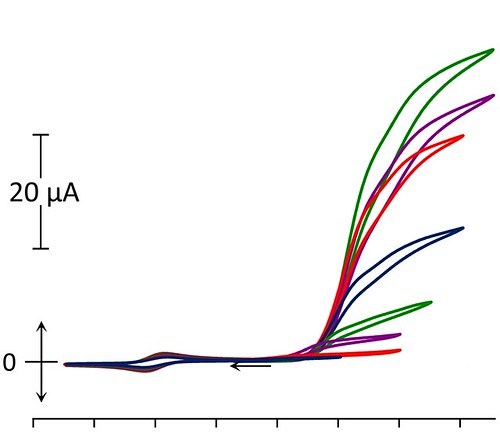
The rate continued to increase as they added more and more water. With the largest amount of water they tested, the catalyst produced up to 53,000 hydrogen molecules per second, almost as fast as their fast and inefficient version.

Importantly, the speedy catalyst stayed just as efficient when it was cranking out hydrogen as when it produced the gas more slowly. Being able to separate the speed from the efficiency means the team might be able to improve both aspects of the catalyst.

Liquid Protein

The team also wanted to understand how the catalyst worked in its liquid salt environment. The speed of hydrogen production suggested that the catalyst moved electrons around fast. But something also had to be moving protons around fast, because protons are the positively charged hydrogen ions that electrons follow around. Just like on an assembly line, protons move through the catalyst or a protein such as hydrogenase, pick up electrons, form bonds between pairs to make hydrogen, then fall off the catalyst.

Additional tests hinted how this catalyst-ionic liquid set-up works. Roberts suspects the water and the ionic liquid collaborated to mimic parts of the natural hydrogenase protein that shuffled protons through. In these proteins, the chemical scaffold holding the catalytic center also contributes to fast proton movement. The ionic liquid-water mixture may be doing the same thing.

Next, the team will explore the hints they gathered about why the catalyst works so fast in this mixture. They will also need to attach it to a surface. Lastly, this catalyst produces hydrogen gas. To create a fuel technology that converts electrical energy to chemical bonds and back again, they also plan to examine ionic liquids that will help a catalyst take the hydrogen molecule apart.


This graphic roostertail illustrates how the catalyst picks up speed as water is added to the ionic liquid (more water equals taller, faster current)

Source:  Pacific Northwest National Laboratory


Additional Information:
 

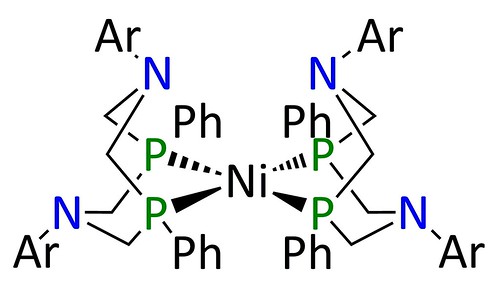
  • Reference: Douglas H. Pool, Michael P. Stewart, Molly O'Hagan, Wendy J. Shaw, John A. S. Roberts, R. Morris Bullock, and Daniel L. DuBois, 2012. An Acidic Ionic Liquid/Water Solution as Both Medium and Proton Source for Electrocatalytic H2 Evolution by [Ni(P2N2)2]2+ Complexes, Proc Natl Acad Sci U S A Early Edition online the week of June 8, DOI 10.1073/pnas.1120208109. (http://www.pnas.org/content/early/2012/06/07/1120208109)

Friday, 8 June 2012

New nanomaterials method answers tough challenges

Engineerblogger
June 8, 2012


This image shows channels etched using sequential infiltration synthesis, which scientists at Argonne have used to create features that have high aspect ratios – that is, they are far deeper than wide. These crevasses will permit the creation of a new generation of semiconducting materials.

When searching for the technology to boost computer speeds and improve memory density, the best things come in the smallest packages.

A relentless move toward smaller and more precisely defined semiconductors has prompted researchers at the U.S. Department of Energy’s (DOE) Argonne National Laboratory to develop a new technique that can dramatically improve the efficiency and reduce the cost of preparing different classes of semiconducting materials.

The new discovery meets certain requirements of the international semiconductor “roadmap” all the way out to 2022—leapfrogging an anticipated ten years of progress with a single set of experiments.

Most semiconductor patterns are currently made using a process known as photolithography, in which portions of a thin film are selectively removed to create a pattern. The pattern in this film, known as a resist, is etched into the semiconductor by exposure to an ionized gas. This gas also etches away the resist itself, reducing the number of times the film can be used. Especially durable resists are known as hard masks.

The drive to create smaller and smaller semiconductor components is often limited by a phenomenon known as domain collapse, said Argonne nanoscientist Seth Darling. Conventional lithography -- the technique used to make patterns in materials -- attempts to create features that are separated like the teeth of a comb. However, gaps in the resist that are too deep tend to collapse inwards, which makes the material useless.

“Engineers have tried many ways of avoiding this collapse, but the industry is constantly running up against it,” Darling said.

In 2010, Darling and his colleagues developed a technique known as sequential infiltration synthesis (SIS), which used gases to grow hard inorganic materials inside a soft polymer film. The work was supported by the DOE Office of Science through Argonne’s Center for Nanoscale Materials and the Argonne-Northwestern Solar Energy Research Center.

One of the most notable benefits of SIS is that it eliminates the need for hard masks in photolithography, according to Darling. “Hard masks are a real pain when it comes to semiconductor processing – they’re expensive, complicated, reduce pattern quality and add extra steps,” he said.

According to Darling, sequential infiltration synthesis has already been identified by leading semiconductor companies as a technology with the potential to overcome several different limitations.

In a recent experiment, Darling and his Argonne colleagues showed that SIS can actually eliminate pattern collapse, enabling the fabrication of materials that have patterns with higher “aspect ratios,” which measures the height of a feature divided by its width.

Generally speaking, lithography seeks to create patterns with higher aspect ratios while using as little resist as possible. “Usually, you need a certain thickness of the resist in order for the process to work,” Darling said. “This new process enables us to do away with a lot of that problem.”

“One of the biggest advantages of this new study is that we’ve shown the possibility of using SIS for photolithography, which is one of the most industrially important processes,” Darling said. “As there’s more and more demand for better electronics, the sizes of these semiconductors need to keep getting smaller and smaller, and it becomes that much more important for us to meet and exceed the benchmarks that we’ve set for ourselves.”

Source: Argonne National Laboratory

Additional Information:


Thursday, 31 May 2012

Researchers unique approach to materials allows temperature-stable circuits

Engineerblogger
May 31, 2012


Sandia National Laboratories materials science researcher Steve Dai has come up with a unique approach to creating materials whose properties won't degenerate with temperature swings. (Photo by Randy Montoya)

Sandia National Laboratories researcher Steve Dai jokes that his approach to creating materials whose properties won’t degenerate during temperature swings is a lot like cooking — mixing ingredients and fusing them together in an oven.

Sandia has developed a unique materials approach to multilayered, ceramic-based, 3-D microelectronics circuits, such as those used in cell phones. The approach compensates for how changes due to temperature fluctuations affect something called the temperature coefficient of resonant frequency, a critical property of materials used in radio and microwave frequency applications. Sandia filed a patent for its new approach last fall. The work was the subject of a recently completed two-year Early Career Laboratory Directed Research and Development (LDRD) project that focused on understanding why certain materials behave as they do. That knowledge could help manufacturers design and build better products.

“At this point we’re just trying to demonstrate that the technology is practical,” Dai said. “Can we design a device with it, can we design it over and over again, and can we design this reliably?”

The familiar cell phone illustrates how the development might be used. The Federal Communications Commission allocates bandwidth to various uses — aviation, the military, cell phones, and so on. Each must operate within an assigned bandwidth with finite signal-carrying capacity. But as temperatures vary, the properties of the materials inside the phone change, and that causes a shift in the resonant frequency at which a signal is sent or received.

Because of that shift, cell phones are designed to operate squarely in the middle of the bandwidth so as not to break the law by drifting outside their assigned frequency range. That necessary caution wastes potential bandwidth and sacrifices higher rates at which data could move.

Dai worked on low-temperature co-fired ceramic (LTCC), a multilayer 3-D packaging and interconnection technology that can integrate passive components — resistors, capacitors and inductors.

Most mainstream LTCC dielectrics now on the market have a temperature coefficient of resonant frequency in a range as wide as that between northern Alaska in the winter and southern Arizona in the summer. Dai’s research achieved a near-zero temperature coefficient by incorporating compensating materials into the LTCC — basically a dielectric that works against the host dielectric and in essence balances the temperature coefficient of resonant frequency. A dielectric is a material, such as glass, that does not conduct electricity but can sustain an electric field.

A graph shows the differences. Resonant frequencies used in various LTCC base dielectrics today appear as slanted lines on the graph as temperatures change. Dai’s approach to an LTCC leaves the line essentially flat — indicating radio and microwave resonator frequency functions that remain stable as temperatures change.

He presented the results of the approach in a paper published in January in the Journal of Microelectronics and Electronic Packaging.

“We can actually make adjustments in the materials property to make sure my resonance frequency doesn’t drift,” Dai said. “If this key property of your material doesn’t drift with the temperature, you can fully utilize whatever the bandwidth is.”

Another advantage: Manufacturers could cut costs by eliminating additional mechanical and electrical circuits now built into a device to compensate for temperature variations.

One challenge was choosing different materials that don’t fall apart when co-fired together, Dai said. Glass ceramic materials used in cell phone applications are both fragile and rigid, but they’re also very solid with minimal porosity. Researchers experimented with different materials, changing a parameter, adjusting the composition, and seeing which ones worked best together.

He had to consider both physical and chemical compatibility. Physical compatibility means that as materials shrink when they’re fired, they shrink in the same way so they don’t warp or buckle. Chemical compatibility means each material retains its unique properties rather than diffusing into the whole.

The LDRD project created a new set of materials to solve the problem of resonant frequency drift but also developed a better understanding of why and how the processes involved in identifying the best materials work. “Why select material A and not B, what’s the rationale? Once you have A in place, what’s the behavior when you make a formulation change, a composition change, do little things?” Dai said.

Researchers looked at variables to boost performance. For example, the functional material within the composite carries the electrical signal, and researchers experimented with placing that material in different areas within the composite until they came up with what arrangement worked best and understood why.

The team also constructed a computational model to analyze what happens when materials with different properties are placed together, and what happens when they change their order in the stacked layers or the dimensions of one material versus another.

“We study all these different facets, the placement of materials, the thickness, to try to hit the sweet spot of the commercial process,” Dai said.

Manufacturing can be done as simple screen printing, a low-cost, standard commercial process much like printing an image on a T-shirt. Dai said the idea was to avoid special requirements that would make the process more expensive or difficult.

“That’s kind of the approach you try to take: Make it simple to use with solid understanding of the fundamentals of materials science,” he said.

Source: Sandia National Laboratories

Thursday, 10 May 2012

Nanosheet Catalyst Discovered to Sustainably Split Hydrogen from Water

Engineerblogger
May 10, 2012


This magnified image from a transmission electron microscope reveals details of the unexpected nanosheet structure of the nickel-molybdenum-nitride catalyst, seen here as dark, straight lines.

Hydrogen gas offers one of the most promising sustainable energy alternatives to limited fossil fuels. But traditional methods of producing pure hydrogen face significant challenges in unlocking its full potential, either by releasing harmful carbon dioxide into the atmosphere or requiring rare and expensive chemical elements such as platinum.

Now, scientists at the U.S. Department of Energy’s (DOE) Brookhaven National Laboratory have developed a new electrocatalyst that addresses one of these problems by generating hydrogen gas from water cleanly and with much more affordable materials. The novel form of catalytic nickel-molybdenum-nitride – described in a paper published online May 8, 2012 in the journal Angewandte Chemie International Edition – surprised scientists with its high-performing nanosheet structure, introducing a new model for effective hydrogen catalysis.

“We wanted to design an optimal catalyst with high activity and low costs that could generate hydrogen as a high-density, clean energy source,” said Brookhaven Lab chemist Kotaro Sasaki, who first conceived the idea for this research. “We discovered this exciting compound that actually outperformed our expectations.”

Goldilocks chemistry

Water provides an ideal source of pure hydrogen – abundant and free of harmful greenhouse gas byproducts. The electrolysis of water, or splitting water (H2O) into oxygen (O2) and hydrogen (H2), requires external electricity and an efficient catalyst to break chemical bonds while shifting around protons and electrons. To justify the effort, the amount of energy put into the reaction must be as small as possible while still exceeding the minimum required by thermodynamics, a figure associated with what is called overpotential.

For a catalyst to facilitate an efficient reaction, it must combine high durability, high catalytic activity, and high surface area. The strength of an element’s bond to hydrogen determines its reaction level – too weak, and there’s no activity; too strong, and the initial activity poisons the catalyst.

“We needed to create high, stable activity by combining one non-noble element that binds hydrogen too weakly with another that binds too strongly,” said James Muckerman, the senior chemist who led the project. “The result becomes this well-balanced Goldilocks compound – just right.”

Unfortunately, the strongest traditional candidate for an electrocatlytic Goldilocks comes with a prohibitive price tag.

Problems with platinum

Platinum is the gold standard for electrocatalysis, combining low overpotential with high activity for the chemical reactions in water-splitting. But with rapidly rising costs – already hovering around $50,000 per kilogram – platinum and other noble metals discourage widespread investment.

“People love platinum, but the limited global supply not only drives up price, but casts doubts on its long-term viability,” Muckerman said. “There may not be enough of it to support a global hydrogen economy.”

In contrast, the principal metals in the new compound developed by the Brookhaven team are both abundant and cheap: $20 per kilogram for nickel and $32 per kilogram for molybdenum. Combined, that’s 1000 times less expensive than platinum. But with energy sources, performance is often a more important consideration than price.

Turning nickel into platinum

In this new catalyst, nickel takes the reactive place of platinum, but it lacks a comparable electron density. The scientists needed to identify complementary elements to make nickel a viable substitute, and they introduced metallic molybdenum to enhance its reactivity. While effective, it still couldn’t match the performance levels of platinum.

“We needed to introduce another element to alter the electronic states of the nickel-molybdenum, and we knew that nitrogen had been used for bulk materials, or objects larger than one micrometer,” said research associate Wei-Fu Chen, the paper’s lead author. “But this was difficult for nanoscale materials, with dimensions measuring billionths of a meter.”

The scientists expected the applied nitrogen to modify the structure of the nickel-molybdenum, producing discrete, sphere-like nanoparticles. But they discovered something else.

Subjecting the compound to a high-temperature ammonia environment infused the nickel-molybdenum with nitrogen, but it also transformed the particles into unexpected two-dimensional nanosheets. The nanosheet structures offer highly accessible reactive sites – consider the surface area difference between bed sheets laid out flat and those crumpled up into balls – and therefore more reaction potential.

Using a high-resolution transmission microscope in Brookhaven Lab’s Condensed Matter Physics and Materials Science Department, as well as x-ray probes at the National Synchrotron Light Source, the scientists determined the material’s 2D structure and probed its local electronic configurations.

“Despite the fact that metal nitrides have been extensively used, this is the first example of one forming a nanosheet,” Chen said. “Nitrogen made a huge difference – it expanded the lattice of nickel-molybdenum, increased its electron density, made an electronic structure approaching that of noble metals, and prevented corrosion.”

Hydrogen future

The new catalyst performs nearly as well as platinum, achieving electrocatalytic activity and stability unmatched by any other non-noble metal compounds. “The production process is both simple and scalable,” Muckerman said, “making nickel-molybdenum-nitride appropriate for wide industrial applications.”

While this catalyst does not represent a complete solution to the challenge of creating affordable hydrogen gas, it does offer a major reduction in the cost of essential equipment. The team emphasized that the breakthrough emerged through fundamental exploration, which allowed for the surprising discovery of the nanosheet structure.

“Brookhaven Lab has a very active fuel cell and electrocatalysis group,” Muckerman said. “We needed to figure out fundamental approaches that could potentially be game-changing, and that’s the spirit in which we’re doing this work. It’s about coming up with a new paradigm that will guide future research.”

Additional collaborators on this research were: Anatoly Frenkel of Yeshiva University, Nebojsa Marinkovic of the University of Delaware, and Chao Ma, Yimei Zhu and Radoslav Adzic of Brookhaven Lab.

The research was funded by Brookhaven's Laboratory Directed Research and Development (LDRD) Program. The National Sychrotron Light Source and other Brookhaven user facilities are supported by the DOE Office of Science.

Source: Brookhaven National Laboratory

Additional Information:

Friday, 4 May 2012

From Soil Microbe to Super-Efficient Biofuel Factory?

Engineerblogger
May 4, 2012

In both approaches, here's how the system would work: Electricity splits water into oxygen and hydrogen. The bacterium uses the hydrogen as an energy source to take in carbon dioxide and convert it to a biofuel, which it then emits.  Credit: LBL

Is there a new path to biofuels hiding in a handful of dirt? Lawrence Berkeley National Laboratory (Berkeley Lab) biologist Steve Singer leads a group that wants to find out. They’re exploring whether a common soil bacterium can be engineered to produce liquid transportation fuels much more efficiently than the ways in which advanced biofuels are made today.

The scientists are working with a bacterium called Ralstonia eutropha. It naturally uses hydrogen as an energy source to convert CO2 into various organic compounds.

The group hopes to capitalize on the bacteria’s capabilities and tweak it to produce advanced biofuels that are drop-in replacements for diesel and jet fuel. The process would be powered only by hydrogen and electricity from renewable sources such as solar or wind.

The goal is a biofuel—or electrofuel, as this new approach is called—that doesn’t require photosynthesis.

Why is this important? Most methods used to produce advanced biofuels, such as from biomass and algae, rely on photosynthesis. But it turns out that photosynthesis isn’t very efficient when it comes to making biofuel. Energy is lost as photons from the sun are converted to stored chemical energy in a plant, which is then converted to a fuel.

“We’re after a more direct way,” says Singer, who holds appointments with Berkeley Lab’s Earth Sciences Division and with the Joint BioEnergy Institute (JBEI), a multi-institutional partnership led by Berkeley Lab.

“We want to bypass photosynthesis by using a microbe that uses hydrogen and electricity to convert CO2 into a fuel,” he adds.

Widespread use of electrofuels would also reduce demands for land, water, and fertilizer that are traditionally required to produce biofuels.

Berkeley Lab’s $3.4 million electrofuel project was funded in 2010 by DOE’s Advanced Research Projects Agency-Energy (ARPA-E) program, which focuses on “high risk, high payoff concepts—technologies promising genuine transformation in the ways we generate, store and utilize energy.”

That pretty much describes electrofuels. ARPA-E estimates the technology has the potential to be ten times more efficient than current biofuel production methods. But electrofuels are currently confined to lab-scale tests. A lot of obstacles must be overcome before you’ll see it at the pump.

Fortunately, research is underway. The Berkeley Lab project is one of thirteen electrofuel projects sponsored by ARPA-E. And earlier this year, ARPA-E issued a request for information focused on the commercialization of the technology.

Singer’s group includes scientists from Virginia-based Logos Technologies and the University of California at Berkeley. The project’s co-principal investigators are Harry Beller, Swapnil Chhabra, and Nathan Hillson, who are also with Berkeley Lab and JBEI; Chris Chang, a UC Berkeley chemist and a faculty scientist with Berkeley Lab’s Chemical Sciences Division; and Dan MacEachran of Logos Technologies.

The scientists chose to work with R. eutropha because the bacterium is well understood and it’s already used industrially to make bioplastics.

They’re creating engineered strains of the bacterium at JBEI, all aimed at improving its ability to produce hydrocarbons. This work involves re-routing metabolic pathways in the bacteria. It also involves adding pathways from other microorganisms, such as a pathway engineered in Escherichia coli to produce medium-chain methyl ketones, which are naturally occurring compounds that have cetane numbers similar to those of typical diesel fuel.

The group is also pursuing two parallel paths to further boost production.

In the first approach, Logos Technologies is developing a two-liter bioelectrochemical reactor, which is a conventional fermentation vessel fitted with electrodes. The vessel starts with a mixture of bacteria, CO2, and water. Electricity splits the water into oxygen and hydrogen. The bacteria then use energy from the hydrogen to wrest carbon from CO2 and convert it to hydrocarbons, which migrate to the water’s surface. The scientists hope to skim the first batch of biofuel from the bioreactor in about one year.

In the second approach, the scientists want to transform the bacteria into self-reliant, biofuel-making machines. With help from Chris Chang, they’re developing ways to tether electrocatalysts to the bacteria’s surface. These catalysts use electricity to generate hydrogen in the presence of water.

The idea is to give the bacteria the ability to produce much of their own energy source. If the approach works, the only ingredients the bacteria will need to produce biofuel would be CO2, electricity, and water.

The scientists are now developing ways to attach these catalysts to electrodes and to the surface of the bacteria.

“We’re at the proof-of-principle stage in many ways with this research, but the concept has a lot of potential, so we’re eager to see where we can take this,” says Singer.


Source: Lawrence Berkeley National Laboratory (LBL)

Additional Information:

Wednesday, 25 April 2012

Improving on the amazing: Ames Laboratory scientists seek new conductors for metamaterials

Engineerblogger
April 25, 2012


A model of a three-dimensional metamaterial. Ames Laboratory scientists
developed a method to evaluate different conductors for use in metamaterial
structures.

Scientists at the U.S. Department of Energy’s Ames Laboratory have designed a method to evaluate different conductors for use in metamaterial structures, which are engineered to exhibit properties not possible in natural materials. The work was reported this month in Nature Photonics.

Cloaking devices that hide planes from RADAR, microscopes that can see inside a single cell, and miniature antennae that measure only a few millimeters all sound like parts of a science fiction movie. But, within the span of the decade since they began their work, Ames Laboratory physicist Costas Soukoulis and his research team have moved these and other innovations from the realm of fiction closer to reality.

“Metamaterials have a few fundamentally new properties that may allow for many new applications,” said Soukoulis. For instance, natural materials refract light to the opposite side of the incidence normal, while metamaterials can refract light to the same side (left-handed materials), allowing imaging with a flat lens. Metamaterials are also capable of absorbing all light that hits them, reflecting none of it, creating perfect absorbers. The materials can even slow light. And what makes these properties even more interesting is that they can be adjusted to the needs of particular technologies.

“Usually, materials scientists are presented with a material, determine its properties and only then come up with a use for the material. But metamaterials work in the opposite direction,”

said Soukoulis. “With metamaterials, we can think about what technology we’d like and what properties we want – perhaps properties unheard of before – and design the materials to exhibit those properties.”

Take, for example, the goal of creating super-efficient devices to harvest sunlight in solar energy products. Ideal materials for such a device would absorb 100 percent of the solar spectrum.

“In metamaterials, we can design both their magnetic and electric responses,” said Thomas Koschny, Ames Laboratory associate scientist. “Therefore, we can control the reflection at the interface of the metamaterial, which you cannot easily do in normal materials. In regular materials, particularly with the types of waves like light, materials have only an electric response, and they are always reflective. But, in a metamaterial, we can arrange the parts of the material so that the electric response equals the magnetic response, and the surface is reflection free and all waves go into the material.”

Other possible applications are “superlenses” that would allow us to use visible light to see molecules, like DNA molecules, in detail and devices that store large amounts of data optically. And many other potential uses exist because, unlike in natural materials, metamaterials can be designed to work at target frequencies, at least in principle, from radio frequencies to visible light.

But with such great potential also comes several challenges, some of which Soukoulis’ team have already made significant progress toward meeting. In 2006, the researchers were the first to fabricate a left-handed metamaterial, one with a negative index of refraction, in waves very close to visible light. In 2007, the group designed and fabricated the first left-handed metamaterial for visible light, and they recently fabricated chiral metamaterials that have giant optical activity.

Another challenge is reducing energy losses in metamaterials. Energy is lost by conversion to heat in their metallic components. In results reported in Nature Photonics this month, Soukoulis and his team evaluated a variety of conducting materials – including graphene, high-temperature superconductors and transparent conducting oxides.

“Graphene is a very interesting material because it is only a single atom thick and it is tunable, but unfortunately it does not conduct electrical current well enough to create an optical metamaterial out of it,” said Philippe Tassin, a postdoctoral research associate at Ames Laboratory. “We also thought high-temperature superconductors were very promising, but we found that silver and gold remain the best conductors for use in metamaterials.”

While neither graphene nor superconductors will immediately fix losses in metamaterials, Soukoulis’ work provides a method for evaluating future candidates to replace gold or silver that will help harness the enormous potential of metamaterials.

“Metamaterials may help solve the energy problems America is facing,” said Soukoulis. “There’s no shortage of new ideas in the field of metamaterials, and we’re helping make progress in understanding metamaterials’ basic physics, applied physics and possible applications.”

The research was funded by DOE’s Office of Science.

The Ames Laboratory is a U.S. Department of Energy Office of Science national laboratory operated by Iowa State University. The Ames Laboratory creates innovative materials, technologies and energy solutions. We use our expertise, unique capabilities and interdisciplinary collaborations to solve global problems.

Source: Ames Laboratory

Scientists Discover Bilayer Structure in Efficient Solar Material

Engineerblogger
April 25, 2012


Structural details of photovoltaic material revealed: The bilayer polymer backbone motif (3D image) is derived from the x-ray scattering pattern (background) obtained at beamline X9 of NSLS. In the 3D image, the yellow region denotes the paired backbones and the blue region denotes the liquid-like side chains.

Detailed studies of one of the best-performing organic photovoltaic materials reveal an unusual bilayer lamellar structure that may help explain the material’s superior performance at converting sunlight to electricity and guide the synthesis of new materials with even better properties. The research, published in Nature Communications April 24, 2012, was conducted by scientists at the U.S. Department of Energy’s (DOE) Brookhaven National Laboratory, in collaboration with researchers from Stony Brook University, Seoul National University in Korea, the Max Planck Institute for Polymer Research in Germany, and Konarka Technologies.

The material, known by the handle PCDTBT, is an example of a “polycarbazole conjugated polymer,” a molecule composed of a chainlike carbon backbone with alkyl side chains. Its ability to move electrons around — both “donating” and “accepting” them — makes it among the best organic photovoltaic materials currently in use, able to convert sunlight to electricity with efficiency as high as 7.2 percent in organic solar cells.

“Despite the fact that this material has been extensively studied, no one has reported detailed structural features to provide a basis for its superior performance,” said Brookhaven physicist Benjamin Ocko, who led the current research. “Understanding why this material performs so well will help scientists harness its essential attributes to engineer new materials for a wide range of applications, including displays, solid-state lighting, transistors, and improved solar cells,” he said.

To probe the molecular structure, the team exposed thin films of PCDTBT to intense beams of x-rays at Brookhaven’s National Synchrotron Light Source (NSLS) using a high-resolution x-ray scattering technique. Unlike previous studies, which used less-intense x-rays, these studies revealed the formation of a crystalline-like phase at elevated temperatures. Furthermore, the patterns produced by the diffracted x-rays indicate that the structure is comprised of layers of conjugated backbone pairs, a pattern quite different from the single backbone constructions observed in all other organic photovoltaic materials studied to date.

Xinhui Lu, the paper’s lead author, noted that by analyzing the scattering patterns, they discovered undulations along the polymer’s backbone, and how the undulations in neighboring backbones are shifted with respect to each other. By carrying out molecular modeling simulations, the authors were able to predict which polymer backbone configuration would be most stable.

In a conjugated polymer, the backbone provides the path for electrical conductivity and the alkyl side chains, similar to simple oils, provide the solubility required for processing. Though necessary, these side chains interfere with the polymer’s electrical performance. PCDTBT is novel, the scientists say, since it is predominately composed of the backbone with little alkyl material. “Similar to oil and water, the polymer’s conjugated backbone pairs ‘phase separate’ from their alkyl side chains and this gives rise to the bilayer structure,” said David Germack, one of the paper’s coauthors. It is this structural motif that likely contributes to the material’s excellent electrical properties, and this understanding could guide the design of new organic solar materials.

“While we have significant in-house expertise in synthetic chemistry and organic solar device fabrication, we lack the in-depth structural characterization tools available at Brookhaven Lab,” said Jeff Peet, a senior scientist at Konarka Technologies, a world leader in the development and commercialization of organic solar cells. “These kinds of tools and collaborative studies with research partners at Brookhaven can elucidate very subtle differences between materials, giving us critical insights into how we should design our next generation of solar cell materials.”

Additional collaborators on this research are: Htay Hlaing of Broookhaven Lab and Stony Brook University, Won Ho Jo of Seoul National University, and Denis Andrienko and Kurt Kremer of the Max Planck Institute for Polymer Research.

This research was funded by the DOE Office of Science, Konarka Technologies, the Energy Laboratory Research and Development Initiative at Brookhaven Lab, the German Research Foundation, and the German Federal Ministry of Education and Research. The National Synchrotron Light Source at Brookhaven is also supported by the DOE Office of Science.

DOE’s Office of Science is the single largest supporter of basic research in the physical sciences in the United States, and is working to address some of the most pressing challenges of our time.

Source:  Brookhaven National Laboratory (BNL)

Additional Information:

Tuesday, 17 April 2012

New nanoparticle technology cuts water use, energy costs

Engineerblogger
April 17, 2012


In order to cut down on the enormous quantities of water required to operate steam generators at large power stations in the United States, scientists have begun to look for new technologies that could improve their efficiency and reduce the demand for water.  Credit: ANL


Nuclear and coal power plants are some of the thirstiest machines on earth. The turbines that spin inside of them to generate electricity require tons and tons of steam, and all of that water has to come from somewhere.

Recent studies have estimated that roughly two-fifths of the nation’s freshwater withdrawals and three percent of overall freshwater consumption goes to supplying the steam generators at large power stations in the United States. In order to cut down on the enormous quantities of water required to operate these plants, scientists have begun to look for new technologies that could improve their efficiency and reduce the demand for water.

As part of a larger consortium involving partners from several energy companies, universities, and government agencies, researchers at the U.S. Department of Energy’s Argonne National Laboratory are developing a special class of nanoparticles that partially melt as steam evaporates from a plant’s cooling towers, absorbing a significant percentage of the diffused heat in the system.

In order to operate, electrical plants use a cycle that uses partially condensed high-temperature steam to turn a large turbine. During generation, a significant quantity of this steam is lost due to evaporation. “In every cycle, there’s a significant amount of water that we can’t recapture,” said Argonne materials scientist Dileep Singh, who is working to develop the specialized nanoparticles.

The nanoparticles are based on what is known as a “core-shell” configuration, in which a solid outer coat protects an inner layer that can melt above a certain temperature. Once dispersed in the plant’s water supply, the nanoparticles are able to absorb heat during the thermal cycle. After partially melting, the particles travel to the cooling tower where they resolidify. The system is closed and designed to ensure against leakage of the plant’s water or steam into the environment.

At the molecular level, Singh and his colleagues are especially concerned with the surface of the nanoparticles, as the chemistry at the boundary between the metal and the water determines how much heat the particles can take up. “We’re experimenting with looking at the bonding between the particles and the water molecules,” he said.

“What we really want to know is how much heat we can pick up given a constant amount of water to cool the system,” he added. “Environmentally responsible energy growth involves worrying about how you manage your water resources.”

The vast quantities of water that are needed to operate these facilities will necessitate the mass production of the nanoparticles once they are commercially developed, a fact that could potentially complicate the research and development process, said Argonne associate division director Thomas Ewing. “As we begin lab testing, we need to keep in mind the costs and issues associated with making this work in a real live power plant,” he said. “There are lots of tradeoffs to take into account.”

According to Ewing, Argonne is working with the Electric Power Research Institute and other partners to move this basic technology quickly through the developmental pipeline. Initial plans call for the demonstration of proof of concept to commence this year and full-scale commercial deployment to begin in four years. “It’s practically unheard of for industry to seek to deploy a new technology so quickly,” Ewing said. “However, water consumption is a major issue that limits the expansion of power. If we want to solve the energy crisis, we’ll have to move boldly.”

Source: Argonne National Laboratory (ANL)

Tuesday, 27 March 2012

New Synthetic Biology Technique Boosts Microbial Production of Diesel Fuel

Engineerblogger
March 27, 2012


Significant boosts in the microbial production of clean, green and renewable biodiesel fuel has been achieved with the development of a new technique in synthetic biology by researchers with the U.S. Department of Energy (DOE)’s Joint BioEnergy Institute (JBEI). This new technique – dubbed a dynamic sensor-regulator system (DSRS) – can detect metabolic changes in microbes during the production of fatty acid-based fuels or chemicals and control the expression of genes affecting that production. The result in one demonstration was a threefold increase in the microbial production of biodiesel from glucose.

“The DSRS is an amazing and powerful new tool, the first example of a synthetic system that can dynamically regulate a metabolic pathway for improving production of fatty acid-based fuels and chemicals while the microbes are in the bioreactor,” says Jay Keasling, CEO of JBEI and one of the world’s foremost practitioners of synthetic biology, who led this research.

Keasling, who also serves as the Associate Laboratory Director for Biosciences at Lawrence Berkeley National Laboratory (Berkeley Lab) is the corresponding author of a paper describing this research in Nature Biotechnology. The paper is titled “Design of a dynamic sensor-regulator system for production of FAbased chemicals and fuels.” Co-authors are Fuzhong Zhang and James Carothers of JBEI’s Fuels Synthesis Division, which is directed by Keasling.

The need for new transportation fuels that are renewable and can be produced in a sustainable fashion has never been more urgent. Scientific studies have consistently shown that liquid fuels derived from plant biomass are one of the best alternatives if a cost-effective means of commercial production can be found. Major research efforts to this end are focused on fatty acids – the energy-rich molecules in plant cells that have been dubbed nature’s petroleum. Fatty acids now serve as the raw materials not only for biodiesel fuel, but also for a wide range of important chemical products including surfactants, solvents and lubricants.

“Microbial production of fuels and chemicals from fatty acids is a greener and sustainable alternative to chemical synthesis,” says Zhang, who is the lead author of the Nature Biology paper. “However, high productivities, titers and yields are essential for microbial production of these chemical products to be economically viable, particularly in the cases of biofuels and low-value bulk chemicals.”

Hampering microbial production of fatty acid-based chemicals has been metabolic imbalances during product synthesis.

“Expression of pathway genes at too low a level creates bottlenecks in biosynthetic pathways, whereas expression at too high a level diverts cellular resources to the production of unnecessary enzymes or intermediate metabolites that might otherwise be devoted to the desired chemical,” Zhang says. “Furthermore, the accumulation of these enzymes and intermediate metabolites can have a toxic effect on the microbes, reducing yield and productivity.”


Jay Keasling and Fuzhong Zhang at the Joint BioEnergy Institute (JBEI) obtained a threefold increase in the microbial production of biodiesel from glucose using a dynamic sensor-regulator system they and JBEI’s James Carothers developed. (Photo by Roy Kaltschmidt, Berkeley Lab)

Using the tools of synthetic biology, there have been several strategies developed to meet this challenge but these previous strategies only provide static control of gene expression levels.

“When a gene expression control system is tuned for a particular condition in the bioreactor and the conditions change, the control system will not be able to respond and product synthesis will suffer as a result,” Zhang says.

The DSRS responds to the metabolic status of the microbe in the bioreactor during synthesis by sensing key intermediate metabolites in an engineered pathway. The DSRS then regulates the genes that control the production and consumption of these intermediates to allow their delivery at levels and rates that optimize the pathway for maximum productivity as conditions change in the bioreactor.

“Nature has evolved sensors that can be used to sense the biosynthetic intermediate, but naturally-occurring regulators will rarely suffice to regulate an engineered pathway because these regulators were evolved to support host survival, rather than making chemicals in large quantity,” Zhang says.

To create their DSRS, Zhang, Keasling and Carothers focused on a strain of Escherichia coli (E. coli) bacteria engineered at JBEI to produce diesel fuel directly from glucose. E. coli is a well-studied microorganism whose natural ability to synthesize fatty acids and exceptional amenability to genetic manipulation make it an ideal target for biofuels research. In this latest work, the JBEI researchers first developed biosensors for a key intermediate metabolite – fatty acyl-CoA – in the diesel biosynthetic pathway. They then developed a set of promoters (segments of DNA) that boost the expression of specific genes in response to cellular acyl-CoA levels. These synthetic promoters only become fully activated when both fatty acids and the inducer reagent known as “IPTG” are present.

“For a tightly regulated metabolic pathway to maximize product yields, it is essential that leaky gene expressions from promoters be eliminated,” Zhang says. “Since our hybrid promoters are repressed until induced by IPTG, and the induction levels can be tuned automatically by the FA/acyl-CoA level, they can be readily used to regulate production of biodiesel and other fatty acid-based chemicals.”

Introducing the DSRS into the biodiesel-producing strain of E.coli improved the stability of this strain and tripled the yield of fuel, reaching 28-percent of the theoretical maximum. With further refinements of the technique, yields should go even higher. The DSRS should also be applicable to the microbial production of other chemical products, both fatty acid-based and beyond.

“Given the large number of natural sensors available, our DSRS strategy can be extended to many other biosynthetic pathways to balance metabolism, increase product titers and yields, and stabilize production hosts,” Zhang says. “It should one day be possible to dynamically regulate any metabolic pathway, regardless of whether a natural sensor is available or not, to make microbial production of commodity chemicals and fuels competitive on a commercial scale.”

This research was supported in part by the DOE Office of Science, and in part by the National Science Foundation through the Synthetic Biology Engineering Research Center (SynBERC).

Source: Lawrence Berkeley National Laboratory (Berkeley Lab)

Additional Information: 

Sandia’s Ion Beam Laboratory looks at advanced materials for reactors

Engineerblogger
March 27, 2012


Technologist Daniel Buller stands in front of the beamline that connects the tandem accelerator to the transmission electron microscope (TEM) at Sandia's Ion Beam Laboratory. The blue light in the cylinder in the background above the computer screen is phosphor luminescing from proton beams hitting it. Photo by Randy Montoya.


Sandia National Laboratories is using its Ion Beam Laboratory (IBL) to study how to rapidly evaluate the tougher advanced materials needed to build the next generation of nuclear reactors and extend the lives of current reactors.

Reactor operators need advanced cladding materials, which are the alloys that create the outer layer of nuclear fuel rods to keep them separate from the cooling fluid. Better alloys will be less likely to deteriorate from exposure to everything from coolant fluids to radiation damage.

Operating a reactor causes progressive microstructural changes in the alloys used in cladding, and that can hurt the materials’ integrity. However, present-day methods of evaluating materials can take decades.

The IBL, which replaced an earlier facility dating from the 1970s, has been in operation for about a year and is doing in situ ion irradiation experiments, potentially shaving years off testing. The ion beams use various refractory elements to simulate different types of damage and thus predict the lifetimes of advanced reactor claddings. Some of the research was highlighted in a presentation by materials scientist Khalid Hattar in December at the Materials Research Society conference in Boston in a paper co-authored by Tom Buchheit, Shreyas Rajasekhara and B.G. Clark.

Researchers, trying to understand the changes as a function of radiation dose, inserted a beamline from the tandem accelerator, the IBL’s largest, into a transmission electron microscope (TEM). This allows them to do in situ ion irradiation experiments at the nanoscale and record results rapidly and in real time. Sandia’s lab is one of only two facilities in the U.S. and one of only about 10 in the world that can do this, Hattar said.

“The idea is to come up with new ways to make different alloy compositions and different materials for next-generation reactors and to understand the materials used in the current-generation reactors,” he said. “Then we can find ways of doing a combination of TEM characterization as well as small-scale mechanical property testing in this rapid testing scenario to screen these materials and see which ones are the most suitable.”

Better understanding of cladding materials could help improve reactor efficiency.

To that aim, Hattar and his team are using the IBL’s capabilities to try to gain a fundamental understanding of how the materials evolve in extreme environments at the nanoscale. They hope that understanding can then be related to events on the macroscale.

Take, for example, something familiar like rust on a little red wagon.

“If you look at rust, it’s nonuniform,” Hattar said. “So the location where that first rust starts to occur must be related to some heterogeneous aspect of the microstructure. If we can really understand on the nanoscale what causes it, that initiating factor, then we can prevent the initiation, and without the initiation, you’ll never have that rust formation.”

Materials scientist Khalid Hattar sits in front of the in situ ion irradiation TEM. The green light is electrons hitting phosphor. Photo by Randy Montoya.

The team developed a system for testing cladding materials that Hattar believes can be used for experiments under extreme conditions to simulate real-life environments. Researchers can work with temperatures up to 1,200 degrees C (2,192 degrees F) and pressure up to one atmosphere as well as ion irradiation to gain basic understanding of radiation damage.

A recently completed Laboratory Directed Research & Development (LDRD) program worked with a variety of samples, everything from high-purity, single-crystal copper to materials used in today’s reactors. The team found that under the right conditions, a combinatorial approach can be used with new alloy compositions produced in-house, Hattar said.

The LDRD project demonstrated a fundamental physics simulation of what’s happening to the material. In the next step, Hattar has suggested Idaho National Laboratory expose selected materials to neutrons and then try them out in a real reactor. Since the IBL can run experiments in as little as a day, researchers aim to pinpoint the best material so the Idaho lab, whose tests take much longer, won’t waste time testing poorer materials, he said.

In one experiment, the team examined both the composition of and effects of radiation on an alloy being considered for the next generation of reactors, seeking the best composition for different radiation exposures.

“Really understanding how the microstructure evolves lets us know a lot about how the material will perform,” Hattar said. “So if we can rapidly determine how the microstructure evolves and understand the mechanisms that it evolves by, we could gain a lot of insight into what happens in the material.”

That idea prompted the test in which the team connected the large tandem accelerator to the TEM. The tandem accelerator produces the radiation that is sent into the microscope, allowing team members to watch as they irradiate materials. The TEM setup achieves nanometer-scale resolution with results recorded in real time.

In the next generation of testing, the team will have the option of using the beam from a Colutron accelerator recently added to the IBL system.

“This will allow us to do irradiation with both the heavy ions for displacement damage as well as a helium-deuterium combination for understanding hydrogen embrittlement and swelling of the cladding materials,” Hattar said.

Once researchers understand those mechanisms, they can go about selecting the proper material for a wide variety of extreme environments where radiation plays a significant role, such as shielding microelectronics from radiation from space.

The in situ ion irradiation TEM includes two new stages that give the IBL even more unique capabilities. A microfluidic stage allows researchers to look at fluids inside the microscope in real time, and a vapor phase environmental cell can be used to study how corrosion occurs as a function of time. The vapor phase studies were made possible by B.G. Clark and Brad Boyce with Basic Energy Sciences funding. The microfluidic stage was supported by Readiness in Technical Base and Facilities, an NNSA program.

Hattar said the team is planning basic science applications to study fundamentals such as oxidation mechanisms in materials, as well as gas phase flow experiments to look at the effects of hydrogen or corrosive gases on samples. The system also can do tomography, which enables the researchers to turn 2D TEM projection images into full 3D reconstructions. This results in visualization of the sample from all angles simply by compiling 2D images taken at a range of sample tilts.

IBL researchers hope to provide fundamental insights into a variety of projects, both at Sandia and externally, that are interested in everything from corrosion to radiation damage to materials, Hattar said.

Experiments, however, are in the early stages because the facility is so new.

“We’re sitting in a situation where we’re just trying to see where they’ll lead right now,” Hattar said. “It should be fun and there should be lots of different directions.”

Source: Sandia National Laboratories

Friday, 23 March 2012

Diatom biosensor could shine light on future nanomaterials

Engineerblogger
March 23, 2012


A side and overhead view of the microscopic marine diatom Thalassiosira pseudonana. PNNL scientists used this species to develop a fluorescent biosensor that changes its glow in the presence of the sugar ribose.
Photo courtesy of Nils Kröger, Universität Regensburg.

A glow coming from the glassy shell of microscopic marine algae called diatoms could someday help us detect chemicals and other substances in water samples. And the fact that this diatom can glow in response to an external substance could also help researchers develop a variety of new, diatom-inspired nanomaterials that could solve problems in sensing, catalysis and environmental remediation.

Fluorescence is the key characteristic of a new biosensor developed by researchers at the Department of Energy's Pacific Northwest National Laboratory. The biosensor, described in a paper published this week in the scientific journal PLoS ONE, includes fluorescent proteins embedded in a diatom shell that alter their glow when they are exposed to a particular substance.

"Like tiny glass sculptures, the diverse silica shells of diatoms have long intrigued scientists," said lead author and molecular biologist Kate Marshall, who works out of PNNL's Marine Sciences Laboratory in Sequim, Wash. "And the way our biosensor works could make diatoms even more attractive to scientists because it could pave the way for the development of novel, synthetic silica materials."

Diatoms are perhaps best known as the tiny algae that make up the bulk of phytoplankton, the plant base of the marine food chain that feeds the ocean's creatures. But materials scientists are fascinated by diatoms for another reason: the intricate, highly-ordered patterns that make up their microscopic shells, which are mostly made of silica. Researchers are looking at these minuscule glass cages to solve problems in a number of areas, including sensing, catalysis and environmental remediation.

PNNL Laboratory Fellow and corresponding author Guri Roesijadi found inspiration for this biosensor in previous work by other researchers, who showed it's possible to insert proteins in diatom shells through genetic engineering. Using that work as a starting point, Roesijadi, Marshall and their PNNL colleagues aimed to use fluorescent proteins to turn diatoms into a biosensor. They specifically aimed to create a reagent-less biosensor, meaning one that detects a target substance on its own and without depending on another chemical or substance.

Well-equipped diatom

As a test case, the PNNL team inserted genes for their biosensor into Thalassiosira pseudonana, a well-studied marine diatom whose shell resembles a hatbox. The new genes allowed the diatoms to produce a protein that is the biosensor.

At the heart of the biosensor is the ribose-binding protein, which, as the name suggests, attaches to the sugar ribose. Each ribose-binding protein is then flanked by two other proteins — one that glows blue and another that glows yellow. This three-protein complex attaches to the silica shell while the diatom grows.

In the absence of ribose, the two fluorescent proteins sit close to one another. They're close enough that the energy in the blue protein's fluorescence is easily handed off, or transferred, to the neighboring yellow protein. This process, called fluorescence resonance energy transfer, or FRET, is akin to the blue protein shining a flashlight at the yellow protein, which then glows yellow.

But when ribose binds to the diatom, the ribose-binding protein changes its shape. This moves the blue and yellow fluorescent proteins apart in the process, and the amount of light energy that the blue protein shines on the yellow protein declines. This causes the biosensor to display more blue light.

Microscopic light show

Regardless of whether or not ribose is bound to the diatom's biosensor, the biosensor always emits some blue or yellow glow when it's exposed to energy under a microscope. But the key difference is how much of each kind of light is displayed.

The PNNL team distinguished between light from the two proteins with a fluorescence microscope that was equipped with a photon sensor. The sensor allowed them to measure the intensities of the unique wavelengths of light given off by each of the fluorescent proteins. By calculating the ratio of the two wavelengths, they could determine if the diatom biosensor was exposed to ribose, and how much of ribose was present.

The team also succeeded in making the biosensor work with the shell alone, after it was removed from the living diatom. Removing the living diatom provides researchers greater flexibility in how and where the silica biosensor can be used. The Office of Naval Research, which funded the research, believes biosensors based on modifying a diatom's silica shell may prove useful for detecting threats such as explosives in the marine environment.

"With this research, we've made our important first steps to show it's possible to genetically engineer organisms such as diatoms to create advanced materials for numerous applications," Marshall said.

Co-authors on the paper include scientists at EMSL, DOE's Environmental Molecular Sciences Laboratory at PNNL's Richland, Wash., campus. They used EMSL's mass spectrometry capabilities to verify the team had the correct ribose-binding and fluorescent proteins before adding them to the diatoms.


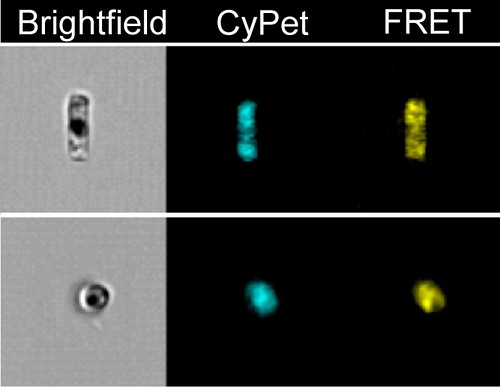
PNNL researchers genetically engineered this microscopic marine diatom to become a biosensor for the sugar ribose. From left to right: The engineered diatom without fluorescence; the same diatom exhibiting blue fluorescence; and, when no ribose is present, the diatom generates a bright yellow fluorescence via fluorescence resonance energy transfer. Amnis Corp. of Seattle, Wash., used its ImageStream imaging flow cytometer to take these images. Credit: PNNL

Source: Pacific Northwest National Laboratory (PNNL)

Additional Information:

  • Kathryn E. Marshall, Errol W. Robinson, Shawna M. Hengel, Liljana Pasa-Tolic, Guritno Roesijadi, "FRET Imaging of Diatoms Expressing a Biosilica-Localized Ribose Sensor," PLoS ONE, March 21, 2012, DOI: 10.1371/journal.pone.0033771, http://dx.plos.org/10.1371/journal.pone.0033771.

Tuesday, 20 March 2012

New Catalyst for Safe, Reversible Hydrogen Storage

Engineerblogger
March 20, 2012


This diagram shows the new catalyst in its protonated and deprotonated states as it reversibly converts hydrogen and CO2 gas to and from liquid formate or formic acid at ambient temperature and pressure. The gases can thereby be stored and transported as a liquid, and used later in carbon-neutral energy applications, simply by adjusting the pH.

Scientists at the U.S. Department of Energy’s (DOE) Brookhaven National Laboratory and collaborators have developed a new catalyst that reversibly converts hydrogen gas and carbon dioxide to a liquid under very mild conditions. The work — described in a paper published online March 18, 2012, in Nature Chemistry — could lead to efficient ways to safely store and transport hydrogen for use as an alternative fuel.

Hydrogen is seen as an attractive fuel because it can efficiently be converted to energy without producing toxic products or greenhouse gases. However, the storage and transportation of hydrogen remain more problematic than for liquid hydrocarbon fuels. The new work builds on earlier efforts to combine hydrogen with carbon dioxide to produce a liquid formic acid solution that can be transported using the same kind of infrastructure used to transport gasoline and oil.

“This is not the first catalyst capable of carrying out this reaction, but it is the first to work at room temperature, in an aqueous (water) solution, under atmospheric pressure — and that is capable of running the reaction in forward or reverse directions depending on the acidity of the solution,” said Brookhaven chemist Etsuko Fujita, who oversaw Brookhaven’s contributions to this research.

“When the release of hydrogen is desired for use in fuel cells or other applications, one can simply flip the ‘pH switch’ on the catalyst to run the reaction in reverse,” said Brookhaven chemist James Muckerman, a co-author on the study. He noted that the liquid formic acid might also be used directly in a formic-acid fuel cell.

Collaborator Yuichiro Himeda of the National Institute of Advanced Industrial Science and Technology (AIST) of Japan had been making substantial progress toward the goal of developing this type of catalyst for a number of years. He used iridium metal complexes containing aromatic diimine ligands (groups of atoms bound to the metal) with pendent, peripheral hydroxyl (OH) groups that can serve as acidic sites that release protons to become pendent bases.

Himeda recently entered into collaboration — via the U.S.-Japan Collaboration on Clean Energy Technology program — with Fujita, Muckerman, and Jonathan Hull (a Goldhaber Fellow working on Fujita’s team). The Brookhaven group carried out coordinated experimental and theoretical studies to understand the sequence of chemical steps by which these catalysts converted H2 and CO2 into formic acid. Their goal was to design new catalysts with improved performance.

The Brookhaven team’s key idea came from Nature: “We were inspired by the way hydrogen bonds and bases relay protons in the active sites of some enzymes,” Hull said.


“Good catalysts efficiently move protons and electrons around, taking them from some molecules and placing them onto others to produce the desired product,” he explained. “Nature has many ways of doing this. Under the right conditions, the hydroxyl groups on the diimine ligand of the catalyst help hydrogen react with carbon dioxide, which is difficult to do. We thought we could improve the reactivity by placing the pendent bases near the metal centers, rather than in peripheral positions.”

Once the Brookhaven team understood how Himeda’s catalysts worked, Hull realized that a novel ligand that had been synthesized by collaborators Brian Hashiguchi and Roy Periana of The Scripps Research Institute for an entirely different purpose would possibly be ideal for accomplishing this goal. The Brookhaven group designed a new iridium metal catalyst incorporating this new ligand.

Collaborator David Szalda of Baruch College (City University of New York) determined the atomic level crystal structure of the new catalyst to “see” how the arrangement of its atoms might explain its function.

Tests of the new catalyst revealed superior catalytic performance for storing and releasing H2 under very mild reaction conditions. For the reaction combining CO2 with H2, the scientists observed high turnovers at room temperature and ambient pressure; for the catalytic decomposition of formic acid to release hydrogen, the catalytic rate was faster than any previous report.

“We were able to convert a 1:1 mixture of H2 and CO2 to formate (the deprotonated form of formic acid) at room temperature, successfully regenerate H2, and then repeat the cycle. It’s a design principle we are very fortunate to have found,” said Hull.

The regenerated high-pressure gas mixture (hydrogen and carbon dioxide) is quite pure; importantly, no carbon monoxide (CO) — an impurity that can ‘poison’ fuel cells and thus reduce their lifetime — was detected. Therefore, this method of storing and regenerating hydrogen might have a use in hydrogen fuel cells.

Further efforts to optimize the hydrogen storage process are ongoing using several catalysts with the same design principle.

“This is a wonderful example of how fundamental research can lead to the understanding and control of factors that contribute to the solution of technologically important problems,” Muckerman concluded.

This research was funded by the DOE Office of Science, a Goldhaber Distinguished Fellowship, and by the Japanese Ministry of Economy, Trade, and Industry.

Source:  Brookhaven National Laboratory

Additional Information: