Blogger Themes

Showing posts with label Fuel Cell. Show all posts

Thursday, 19 July 2012

Why platinum is the wrong material for fuel cell?

Engineerblogger
July 19, 2012


Professor Alfred Anderson

Fuel cells are inefficient because the catalyst most commonly used to convert chemical energy to electricity is made of the wrong material, a researcher at Case Western Reserve University argues. Rather than continue the futile effort to tweak that material—platinum—to make it work better, Chemistry Professor Alfred Anderson urges his colleagues to start anew.

“Using platinum is like putting a resistor in the system,” he said. Anderson freely acknowledges he doesn’t know what the right material is, but he’s confident researchers’ energy would be better spent seeking it out than persisting with platinum.

“If we can find a catalyst that will do this [more efficiently],” he said, “it would reach closer to the limiting potential and get more energy out of the fuel cell.”

Anderson’s analysis and a guide for a better catalyst have been published in a recent issue of Physical Chemistry Chemical Physics and in Electrocatalysis online.

Even in the best of circumstances, Anderson explained, the chemical reaction that produces energy in a fuel cell—like those being tested by some car companies—ends up wasting a quarter of the energy that could be transformed into electricity. This point is well recognized in the scientific community, but, to date, efforts to address the problem have proved fruitless.

Anderson blames the failure on a fundamental misconception as to the reason for the energy waste. The most widely accepted theory says impurities are binding to the platinum surface of the cathode and blocking the desired reaction.

“The decades-old surface-poisoning explanation is lame because there is more to the story,” Anderson said.

To understand the loss of energy, Anderson used data derived from oxygen-reduction experiments to calculate the optimal bonding strengths between platinum and intermediate molecules formed during the oxygen-reduction reaction. The reaction takes place at the platinum-coated cathode.

He found the intermediate molecules bond too tightly or too loosely to the cathode surface, slowing the reaction and causing a drop in voltage. The result is the fuel cell produces about .93 volts instead of the potential maximum of 1.23 volts.

To eliminate the loss, calculations show, the catalyst should have bonding strengths tailored so that all reactions taking place during oxygen reduction occur at or as near to 1.23 volts as possible.

Anderson said the use of volcano plots, which are a statistical tool for comparing catalysts, has actually misguided the search for the best one. “They allow you to grade a series of similar catalysts, but they don’t point to better catalysts.”

He said a catalyst made of copper laccase, a material found in trees and fungi, has the desired bonding strength but lacks stability. Finding a catalyst that has both is the challenge.

Anderson is working with other researchers exploring alternative catalysts as well as an alternative reaction pathway in an effort to increase efficiency.


Source: Case Western Reserve University

Saturday, 23 June 2012

Nanotechnology: Bringing down the cost of fuel cells

Engineerblogger
June 23, 2012


Zhen (Jason) He, assistant professor of mechanical engineering (left), and Junhong Chen, professor of mechanical engineering, display a strip of carbon that contains the novel nanorod catalyst material they developed for microbial fuel cells. (Photo by Troye Fox)

Engineers at the University of Wisconsin-Milwaukee (UWM) have identified a catalyst that provides the same level of efficiency in microbial fuel cells (MFCs) as the currently used platinum catalyst, but at 5% of the cost.

Since more than 60% of the investment in making microbial fuel cells is the cost of platinum, the discovery may lead to much more affordable energy conversion and storage devices.

The material – nitrogen-enriched iron-carbon nanorods – also has the potential to replace the platinum catalyst used in hydrogen-producing microbial electrolysis cells (MECs), which use organic matter to generate a possible alternative to fossil fuels.

“Fuel cells are capable of directly converting fuel into electricity,” says UWM Professor Junhong Chen, who created the nanorods and is testing them with Assistant Professor Zhen (Jason) He. “With fuel cells, electrical power from renewable energy sources can be delivered where and when required, cleanly, efficiently and sustainably.”

The scientists also found that the nanorod catalyst outperformed a graphene-based alternative being developed elsewhere. In fact, the pair tested the material against two other contenders to replace platinum and found the nanorods’ performance consistently superior over a six-month period.

The nanorods have been proved stable and are scalable, says Chen, but more investigation is needed to determine how easily they can be mass-produced. More study is also required to determine the exact interaction responsible for the nanorods’ performance.

The work was published in March in the journal Advanced Materials.

The right recipe

MFCs generate electricity while removing organic contaminants from wastewater. On the anode electrode of an MFC, colonies of bacteria feed on organic matter, releasing electrons that create a current as they break down the waste.

On the cathode side, the most important reaction in MFCs is the oxygen reduction reaction (ORR). Platinum speeds this slow reaction, increasing efficiency of the cell, but it is expensive.

Microbial electrolysis cells (MECs) are related to MFCs. However, instead of electricity, MECs produce hydrogen. In addition to harnessing microorganisms at the anode, MECS also use decomposition of organic matter and platinum in a catalytic process at their cathodes.

Chen and He’s nanorods incorporate the best characteristics of other reactive materials, with nitrogen attached to the surface of the carbon rod and a core of iron carbide. Nitrogen’s effectiveness at improving the carbon catalyst is already well known. Iron carbide, also known for its catalytic capabilities, interacts with the carbon on the rod surface, providing “communication” with the core. Also, the material’s unique structure is optimal for electron transport, which is necessary for ORR.

When the nanorods were tested for potential use in MECs, the material did a better job than the graphene-based catalyst material, but it was still not as efficient as platinum.

“But it shows that there could be more diverse applications for this material, compared to graphene,” says He. “And it gave us clues for why the nanorods performed differently in MECs.”

Research with MECs was published in June in the journal Nano Energy.

Source:  University of Wisconsin - Milwaukee

Additional Information:

Saturday, 9 June 2012

Researchers demonstrated best performance reported for fuel cells operating directly on ethanol

Engineerblogger
June 9, 2012


SEM Micrographs of Cu/CeO2 Impregnated Ni/YSZ Anode Outer Layer

Dr. Nguyen Minh of CER and his postdoctoral scholar Dr. Eric Armstrong (now with Intel) and undergraduate student intern Jae-Woo Park - recently demonstrated the best performance for solid oxide fuel cells (SOFCs) operating directly on ethanol without external reformation. A peak power density of more than 400 mW/cm2 was achieved at 800°C with air and a fuel containing 7.3 volume % ethanol. This power density is about four times higher than any other SOFC reported in the literature operating directly on ethanol at 20 volume % or lower at the same temperature

The SOFC is an all-solid-state fuel cell consisting of an ionic conducting oxide electrolyte sandwiched between two electrodes, the cathode or oxygen electrode where oxygen (from air) is reduced and the anode or fuel electrode where hydrogen (from the fuel) is oxidized. This type of fuel cell operates in the temperature range of 600°-1000°C. At present, the most common SOFC materials are yttria stabilized zirconia (YSZ) (an oxygen ion conductor) for the electrolyte, strontium-doped lanthanum manganite perovskite oxide (LSM) for the cathode and nickel/YSZ composite for the anode. The attractive feature of the SOFC is its clean and efficient generation of electricity from a variety of fuels. Suitable fuels for the SOFC include hydrogen, natural gas, biogas, propane, gasoline, diesel, coal gas, and other practical fuels. The SOFC has been considered and developed for a broad spectrum of power generation applications, ranging from watt-size portable devices to multi-megawatt baseload power plants. In addition, the operation of the SOFC is reversible, i.e. the fuel cell can operate in reverse or electrolysis mode when integrated with an energy source. Thus, the SOFC can be used as an electrolysis cell to produce hydrogen from water or syngas (mixtures of hydrogen and carbon monoxide) from mixtures of water and carbon dioxide. A SOFC can operate efficiently in both operating modes is referred to as a reversible SOFC.

The SOFC has been shown to be capable of directly utilizing hydrocarbons and other fuels such as alcohols without external reformation. SOFC power systems based on direct utilization do not require an external reformer, thus simplifying the system, resulting in higher system efficiencies and reduced costs. Nickel in the anode, although an excellent catalyst for hydrogen oxidation, tends to promote coking. Therefore, for direct utilization of carbon-containing fuels, copper/ceria (Cu/CeO2) composites have been proposed and investigated. The copper/ceria composite is resistant to coking; however, its catalytic activity for hydrogen oxidation is much lower than that of Ni/YSZ. Thus, direct utilization of non-hydrogen fuels on copper/ceria often results in poor electrochemical performance. The approach at CER to address the electrochemical performance and coking issues to demonstrate the feasibility of direct utilization SOFCs (referred to as direct SOFCs) is to engineer the anode structure into a dual (bifunctional bilayer) anode. The engineered anode structure is composed of a Ni/YSZ support outer layer impregnated with Cu/ceria nanoparticles (see scanning electron microscopy or SEM photographs) to promote reformation and minimize coking and a thinner Ni-YSZ electroactive interlayer (next to the electrolyte) to maintain high electrochemical performance. The fabrication of SOFC cells incorporating this anode structure was straightforward. Cells with dual anode layers were first fabricated using the conventional materials and techniques (tape casting and sintering). The outer anode layer of fabricated cells was then impregnated with an aqueous solution of copper and cerium nitrates of appropriate weight ratios, followed by high temperature (850°C) annealing to form oxide nanoparticles. (Nickel and copper were formed as oxides in this case and the oxides were reduced to metal when fuel was introduced to the anode.)

This work was performed under the program funded by the California Energy Commission. The research on direct SOFCs on ethanol and other practical fuels at CER is an element of the broader effort to develop direct and reversible SOFCs (DR-SOFCs). The DR-SOFC potentially can serve as a basis for future energy systems as the technology has the desired characteristics of compatibility (compatible with the environment to support constraints on carbon dioxide and other emissions), flexibility (fuel flexible and flexible in using energy resources), capability (useful for different functions), adaptability (in meeting local energy needs, suitable for a variety of applications) and affordability (competitive in costs) (see the figure on characteristics of future energy systems).


Desired Characteristics of Future Energy Systems

Source:  University of California - San Diego

Tuesday, 29 May 2012

High-speed method to aid search for solar energy storage catalysts

Engineerblogger
May 30, 2012


Eons ago, nature solved the problem of converting solar energy to fuels by inventing the process of photosynthesis.

Plants convert sunlight to chemical energy in the form of biomass, while releasing oxygen as an environmentally benign byproduct. Devising a similar process by which solar energy could be captured and stored for use in vehicles or at night is a major focus of modern solar energy research.

“It is widely recognized that solar energy is the most abundant source of energy on the planet,” explains University of Wisconsin-Madison chemistry professor Shannon Stahl. “Although solar panels can convert sunlight to electricity, the sun isn't always shining.”

Thus, finding an efficient way to store solar energy is a major goal for science and society. Efforts today are focused on electrolysis reactions that use sunlight to convert water, carbon dioxide, or other abundant feedstocks into chemicals that can be stored for use any time.

A key stumbling block, however, is finding inexpensive and readily available electrocatalysts that facilitate these solar-driven reactions. Now, that quest for catalysts may become much easier thanks to research led by Stahl and UW-Madison staff scientist James Gerken and their colleagues.

Writing this week in the journal Angewandte Chemie, the Wisconsin group describes a new high-throughput method to identify electrocatalysts for water oxidation.

Efficient, earth-abundant electrocatalysts that facilitate the oxidation of water are critical to the production of solar fuels, says Gerken. "If we do this well enough, we can keep the party going all night long."

Existing technology to store solar energy is not economicallyviable because using the sun to split water into oxygen and hydrogen is inefficient. Water oxidation provides electrons and protons needed for hydrogen production, and better catalysts minimize the energy lost when converting energy from sunlight to chemical fuels, says Stahl.

In addition to being efficient, the catalysts need to be made from materials that are more abundant and far less expensive than metals like platinum and the rare earth compounds currently found in the most effective catalysts.

According to Stahl and Gerken, the discovery of promising electrocatalytic materials is hindered by the costly and laborious approaches used to discover them. What’s more, the sheer number of possible catalyst compositions far exceeds the number that can be tested using traditional methods.

In the Angewandte Chemie report, Gerken, Stahl and their colleagues describe a screening method capable of rapidly evaluating potential new electrocatalysts. In simple terms, the technique works using ultraviolet light and a fluorescent paint to test prospective metal-oxide electrocatalysts. A camera captures images from a grid of candidate catalysts during the electrolysis process, as the paint responds to the formation of oxygen. This approach turns out to be a highly efficient way to sort through many compounds in parallel to identify promising leads.

Already, the Wisconsin team has identified several new metal-oxide catalysts that are composed of inexpensive materials such as iron, nickel and aluminum, and that hold promise for use in solar energy storage.

In addition to Gerken and Stahl, authors of the new study include Jamie Y.C. Chen, Robert C. Massé, and Adam B. Powell, all of UW-Madison's department of chemistry. The work was supported by a grant from the U.S. National Science Foundation and a provisional patent has been submitted through the Wisconsin Alumni Research Foundation.

Source:  University of Wisconsin-Madison

Sunday, 27 May 2012

Nanotechnology for for a sustainable process industry: Metal-free catalysts

Engineerblogger
May 27, 2012


Magnus Rønning, a professor in the Department of Chemical Engineering at the Norwegian University of Science and Technology, is head of a new EU funded effort to find metal-free catalysts.

The EU has awarded 4 million Euros to a new research project that will develop carbon materials to replace precious metals needed in catalysis. The research will help make the production of chemicals and commodities greener, while enabling the European process industry to keep its worldwide competitive edge. The project is called FREECATS - Doped carbon nanostructures as metal-free catalysts. Nine European research institutions and technology enterprises are working on the project, coordinated by the Norwegian University of Science and Technology (NTNU). Professor Magnus Rønning from the Catalysis group at the university's Department of Chemical Engineering is leading the effort, which started on 1 April 2012 and will last for three years.

A more sustainable process industry

Catalysis is one of the major consumers of precious metals, such as platinum. Catalysts affect the speed of chemical reactions, and are frequently used in the process industry. Platinum group metals are not generally found naturally in Europe. Metal-free catalysts that are based on carbon will lead to a significant reduction in the high demand for platinum group metals in Europe.

"Metal-free materials with catalysis properties that are equally as good as precious metals do not exist naturally, so FREECATS is aimed at developing new materials. Using nanotechnology, with atoms as building blocks, we can build carbon structures capable of binding or transforming substances in desired ways," says Magnus Rønning.

Carbon-based catalysis also offers environmental benefits. "Catalysts often contribute to parallel chemical reactions that may compete with the main reaction. Metal-free catalysts have a higher selectivity; they are more reliable in performing the reactions we want. This reduces the risk of reactions creating unwanted waste products that may be harmful to the environment," says Rønning.

Focus on fuel cell technology, olefin production and water purification

FREECATS has chosen to focus on three applications where metal-free catalysts can replace metal-based catalysts: fuel cell technology, the production of light olefins, and water purification.

Catalysts are used in fuel cells to initiate the process by which energy from fuel is converted to electricity in contact with oxygen. The energy produced by fuel cells emits low levels of greenhouse gases, but the method is expensive at present, partly because of costly materials.

Catalysts are used in the production of polyolefin materials to convert propane and ethane to light olefins. The demand for olefins is increasing globally. The existing use of platinum-based catalysts in production is not sustainable, because they are characterized by low selectivity and they are short-lived, costly and polluting.
Organic compounds in water can be oxidized or mineralized into harmless substances by means of catalysis. The method is used to remove bacteria, solvents, chemicals or fertilizers in waste water from industry and agriculture. Metal-free catalysts work just as well for water purification as metal-based catalysts, but they can make the process less expensive.

Source: The Norwegian University of Science and Technology

Monday, 30 April 2012

Fabricating Improved Multifunctional Composites for Energy Conversion and Storage Devices

Engineerblogger
April 30, 2012

Utilizing this new method, Taylor was able to demonstrate a solar cell platform, a lithium battery, and a fuel cell membrane electrode assembly, all with good performance. Credit: Yale University

A key problem in materials science is balancing the trade-offs between different material properties: improving one property can have a negative impact on others. Synthetic composites are often used to address this problem. Designed to offer more independently “tunable” performance, these composites take advantage of multiple materials’ properties within a single system, and have various applications, including photovoltaic, battery and fuel cell technology.
 
Single-walled carbon nanotubes (SWNTs) have unique and extraordinary properties that make them popular as starting points for synthetic composites, used in combination with polymers. Yet these nanotubes present their own challenges. When combined with a polymer, they often spread poorly, resulting in a composite with a meager conductivity in comparison to a pure SWNT network. The current techniques used to overcome this problem limit themselves to the use of conductive polymers that often do not disperse SWNTs well, which dramatically limits the design freedom and extended applications of composite materials.
 
Professor André Taylor, Director of the Transformative Materials & Devices group at Yale SEAS, has developed a scalable tandem Mayer rod coating technique that preserves the electrical properties of these nanotubes when fabricating SWNT and polymer composites. This novel approach eliminates the need to use functional polymers that are capable of properly spreading the SWNTs and thus loosens the design limitations for developing advanced multifunctional composites.
 
Instead of immediately spreading the nanotubes within the desired polymer for the final composite, the SWNTs are first dispersed using a polymeric derivative of cellulose, sodium carboxymethyl cellulose (CMC). The resulting film, which is transparent and contains well-dispersed SWNTs suspended throughout the CMC, is coated onto glass slides. It is transparent, but due to the CMC, nonconductive.
 
Conductivity is restored in the next step of the group’s technique, where the CMC is removed by treating the film with acid. Removing the CMC lets the nanotubes collapse onto each other, creating a dense network of connected nanotubes with high conductivity. With this highly conductive network of SWNTs on which to base a composite system, a functional polymer can be selected and filled into the network based on the intended application. The resulting films offer exceptional electrical performance from the nanotube network and can be customized for additional desired properties based the polymer that’s selected for use.
 
Xiaokai Li, the lead author of the paper, states, “As the challenges of generating more complex SWNT-based film systems require engineers to impart new and transformative functionalities to materials without sacrificing the conductivity or ease of manufacturing, our technique provides the versatility to control nanoscale features and functionality on the macroscopic level.”
 
What is truly unique about this approach, says Taylor, is that the group was able to demonstrate a solar cell platform, a lithium battery, and a fuel cell membrane electrode assembly, all with good performance.
 
“Normally these systems are made from individual layers, but by using this tandem Mayer rod coating approach, we have been able to create films that are asymmetric: electrically conductive on one side dominated by the SWNT network and functional polymer (for ion transport, etc.) on the other,” says Taylor. “This opens up a new range of possibilities for advanced functional composites.”
 
The group’s next step is to design and process carbon nanotube composite films using the same method specifically for next generation flexible heterojunction solar cells.
 
Funding from the Semiconductor Research Corporation and the National Science Foundation supported this work.
 
 
Additional Information:

Thursday, 19 April 2012

Researchers pioneer molecular catalyser

Engineerblogger
April 19, 2012


Scientists in Sweden have developed a molecular catalyser with the ability to quickly oxidise water to oxygen. Presented in the journal Nature Chemistry, the results are a significant contribution to the future use of solar energy and other renewable energy sources, especially since gasoline prices continue to soar.

The team from the Royal Institute of Technology (KTH) in Stockholm is the first to attain speeds that are comparable to those in nature's own photosynthesis, thus succeeding in clinching a world record. Researchers in Europe, Japan and the United States have been investigating ways of refining an artificial form of photosynthesis for over 30 years. No team ever succeeded in generating a sufficiently rapid solar-driven catalyser for oxidising water.

'Speed has been the main problem, the bottleneck, when it comes to creating perfect artificial photosynthesis,' explains Professor Licheng Sun from the Department of Chemistry at KTH.

The molecular catalyser developed by Professor Sun and his team is so fast that it can reach more than 300 turnovers per seconds. The speed with which natural photosynthesis is carried out is between 100 and 400 turnovers per seconds.

'This is clearly a world record, and a breakthrough regarding a molecular catalyser in artificial photosynthesis,' remarks Professor Sun. 'This speed makes it possible in the future to create large-scale facilities for producing hydrogen in the Sahara, where there's an abundance of sunshine. Or to attain much more efficient solar energy conversion to electricity, combining this with traditional solar cells, than is possible today.'

This is especially important as society continues to deal with rising gasoline prices. According to the scientists, the fast molecular catalysers can form the basis for many changes to come. Not only do they enable sunlight to be used for the conversion of carbon dioxide (CO2) into different fuels like methanol, but the technology can be used to convert solar energy directly into hydrogen.

The next step for the researchers is to develop this technology at lesser cost.

'I'm convinced that it will be possible in 10 years to produce technology based on this type of research that is sufficiently cheap to compete with carbon-based fuels,' the chemist says. 'This explains why [US President] Barack Obama is investing billions of dollars in this type of research.'

Professor Sun has been conducting research in this field for almost 20 years, saying that he and his colleagues believe efficient catalysers for oxidation of water can be the missing piece of the solar energy puzzle.

'When it comes to renewable energy sources, using the Sun is one of the best ways to go,' Professor Sun says.

Researchers from Uppsala University in Sweden and the Dalian University of Technology (DUT) in China contributed to this study.


Thursday, 5 April 2012

Bottling sunlight: Novel solar reactor may enable clean fuel derived from sunlight

Engineerblogger
April 5, 2012

 
UD doctoral student Erik Koepf (left) and Ajay Prasad, professor of mechanical engineering, inspect the novel solar reactor. Credit: Evan Krape

Producing hydrogen from non-fossil fuel sources is a problem that continues to elude many scientists but University of Delaware’s Erik Koepf thinks he may have discovered a solution.

Hydrogen is traditionally made from natural gas. Unfortunately, natural gas is a fossil fuel that releases carbon dioxide, a greenhouse gas, when converted to hydrogen.

Koepf, a doctoral candidate in mechanical engineering, has designed a novel reactor that employs highly concentrated sunlight and zinc oxide powder to produce solar hydrogen, a truly clean, sustainable fuel with zero emissions.

His advisers are Ajay Prasad, professor of mechanical engineering and director of UD’s Center for Fuel Cell Research, and Suresh Advani, George W. Laird Professor of Mechanical Engineering.

“People have been trying for years to generate hydrogen renewably from sunlight, and Erik’s reactor takes us closer to that goal,” explained Prasad, principal investigator of the University’s fuel cell bus project, which uses hydrogen fuel to power its fleet.

A unique design

The reactor, which resembles a large cylinder, is comprised of layers of advanced, ultra-high temperature insulation and ceramic materials. It measures roughly 2 feet by 3 feet and weighs a hefty 1,750 pounds.

The conical geometry of the reactor’ design uses gravity to feed zinc oxide powder (the reactant) into the system through 15 hoppers perched on top of the device using special gears and a custom built control assembly Koepf developed at UD. Cooling blocks embedded in the structure keep the motors, a quartz window and the aperture ring, where the sunlight enters, cool.

“The idea is to create a small, well-insulated cavity and subject it to highly concentrated sunlight from above,” explained Koepf.

Koepf has been testing the main control systems for his reactor in Spencer Laboratory for months. The missing ingredient, however, has been sunlight. Beginning April 5, he will spend six weeks testing the prototype’s effectiveness for the first time at the Swiss Federal Institute of Technology in Zurich.

“We will measure the temperature and the production of oxygen inside the reactor in real time, which will tell us how much solar fuel or zinc we are actually producing,” Koepf explained.

During testing, light concentrated to simulate the energy of 10,000 suns will be focused down into the reactor, sending the temperature within soaring to over 3,000 degrees Fahrenheit, nearly one-third the temperature of the sun’s surface. Once hot, the hoppers will feed zinc oxide powder (a benign substance resembling baking soda) onto the ceramic layer, causing a reaction that decomposes the powder into pure zinc vapor. In a subsequent step, the zinc will be reacted with water to produce solar hydrogen.

“Essentially, we take zinc oxide powder and thermochemically store the energy of the sun in it, then bottle it,” explained Koepf, whose work is funded mainly through the Federal Transit Administration, a part of the U.S. Department of Transportation. “Zinc in and of itself is a very valuable fuel that can be used in batteries and fuel cells, among other things, even if you don’t create hydrogen.”

Koepf calls his research a “potentially sustainable energy path for the future” and he is working to patent his design through the University’s Office of Economic Innovation and Partnerships (OEIP).

“Doctoral students typically specialize in one area, but Erik’s reactor involves many different branches of mechanical engineering; notably fluid mechanics, heat transfer, reaction kinetics and experimental design,” Prasad said.

One interesting feature of the reactor is that, in theory, the zinc oxide byproduct created during the reaction will be re-usable, making the project self-sustaining.

“This is probably the most complex device built by a graduate student in the history of our department,” added Prasad. “If he is successful, one day, we can imagine a huge array of mirrors out in the desert concentrating sunlight up into a large central tower containing a larger version of Erik’s reactor and making hydrogen on an industrial scale.”


Source: University of Delaware

Breakthrough Could Slash R&D Time for Next Generation of Hydrogen Fuel Cells

Engineerblogger
April 5, 2012


With PhD student Ezequiel Medici, Jeffrey Allen, right, has created a mathematical model that can predict the flow of water inside a hydrogen fuel cell. Credit: MTU

It took Thomas Edison two years and over 3,000 experiments to develop a marketable light bulb. It has taken 10 times that long and who-knows-how-many experiments to develop a system that is far more complicated: the inner workings of a reliable, marketable hydrogen fuel cell.

Now a research team led by Jeffrey Allen of Michigan Technological University is nearing development of a mathematical model that will slash that R&D time and effort. It focuses on water, a fuel cell’s worst enemy.

Water vapor is the only emission coming out of the tailpipe of a hydrogen fuel cell-powered vehicle, a big reason why fuel cells are so attractive. But moving that water out of the fuel cell can be a soggy problem. Just a teaspoon can kill the reaction that drives hydrogen fuel-cell powered vehicles. And, considering that it can take a stack of dozens of fuel cells to power a car, and a single flooded cell can take down the entire stack, water management becomes a looming issue.

Most of that watery action happens in the fuel cell’s porous transport layer, or PTL, which is not much thicker than a coffee filter. That’s where all the byproducts of the fuel cell’s power-generating reaction meet up with a catalyst and react to form water vapor.

It’s not easy to find out exactly what’s happening in the PTL. “Everything is compressed like crazy,” says Allen, the John F. and Joan M. Calder Associate Professor in Mechanical Engineering. “You have to get the gases—hydrogen and air—to the catalyst, and you have to get the water away. Figuring out how to do this has largely been a matter of trial and error.”

The latest generation of hydrogen fuel-cell engines does an excellent job of managing water, but as new materials and designs enter the arena, the industry is again faced with a long, costly experimental process to determine the best configuration.

“There’s a whole new class of catalysts coming out, and we want to make sure it doesn’t take another 20 years to optimize the materials set,” says Allen.

Optimizing those up-and-coming materials to get rid of water is especially difficult, because the movement of water in the PTL appears to be random. “But that’s what we’re trying to predict,” he says.

At high flow rates, water spreads out evenly. But when the flow rate is low, as it is in an operating fuel cell, it spreads out in irregular shapes like an amoeba, a process called “fingering.” Other factors come into play as well, including how saturated the PTL is.

Allen’s team incorporated those variables into a mathematical model with the aim of forecasting the movement of water. Then they tested it using four different types of PTL and found that they could predict how water would behave with a high degree of accuracy.

“We were really excited,” Allen says. “This is the first time anyone has validated a model in a real sample. We’re at the point where, by adjusting just one parameter, we are able to duplicate experimental results exactly.”

Now, the group has incorporated temperature and evaporation into their model to make it an even better tool for fuel cell designers.

Allen and Ezequiel Medici, a Michigan Tech PhD graduate and postdoctoral research fellow, have published an article on their work, “Scaling Percolation in Thin Porous Layers,” in the journal Physics of Fluids, which was published online Dec. 23, 2011. Allen presented a paper on their most recent work, “Pore-Level Simulation of Multiphase Water and Thermal Transport in Low Temperature Fuel Cells,” at the Paul Scherrer Institute, in Switzerland.

Their work was supported by the US Department of Energy with additional funds from the John F. and Joan M. Calder Associate Professor in Mechanical Engineering and Michigan Tech’s Department of Mechanical Engineering-Engineering Mechanics.

Source: Michigan Technological University

Additional Information:

Wednesday, 4 April 2012

'Tunable' metal nanostructures for fuel cells, batteries and solar energy

Engineerblogger
April 4, 2012


Samples of self-assembled metal-containing films made by the new sol-gel process. The films are essentially glass in which metal atoms are suspended, which imparts the color, Grid lines are 5 mm apart.  Credit: Wiesner Lab

For catalysts in fuel cells and electrodes in batteries, engineers would like to manufacture metal films that are porous, to make more surface area available for chemical reactions, and highly conductive, to carry off the electricity. The latter has been a frustrating challenge.

But Cornell chemists have now developed a way to make porous metal films with up to 1,000 times the electrical conductivity offered by previous methods. Their technique also opens the door to creating a wide variety of metal nanostructures for engineering and biomedical applications, the researchers said.

The results of several years of experimentation are described March 18 online edition of the journal Nature Materials.

"We have reached unprecedented levels of control on composition, nanostructure and functionality -- for example, conductivity -- of the resulting materials, all with a simple 'one-pot' mix-and-heat approach," said senior author Ulrich Wiesner, the Spencer T. Olin Professor of Engineering.

The new method builds on the "sol-gel process," already familiar to chemists. Certain compounds of silicon mixed with solvents will self-assemble into a structure of silicon dioxide (i.e., glass) honeycombed with nanometer-scaled pores. The challenge facing the researchers was to add metal to create a porous structure that conducts electricity.


Just about any metal in the entire periodic table (shown in red and blue) can be used in the new process. Those labeled in blue can be bought off the shelf from chemical supply houses in the appropriate form. Credit: Wiesner Lab

About 10 years ago, Wiesner's research group, collaborating with the Cornell Fuel Cell Institute, tried using the sol-gel process with the catalysts that pull protons off of fuel molecules to generate electricity. They needed materials that would pass high current, but adding more than a small amount of metal disrupted the sol-gel process, explained Scott Warren, first author of the Nature Materials paper.

Warren, who was then a Ph.D. student in Wiesner's group and is now a researcher at Northwestern University, hit on the idea of using an amino acid to link metal atoms to silica molecules, because he had realized that one end of the amino acid molecule has an affinity for silica and the other end for metals.

"If there was a way to directly attach the metal to the silica sol-gel precursor then we would prevent this phase separation that was disrupting the self-assembly process," he explained.

The immediate result is a nanostructure of metal, silica and carbon, with much more metal than had been possible before, greatly increasing conductivity. The silica and carbon can be removed, leaving porous metal. But a silica-metal structure would hold its shape at the high temperatures found in some fuel cells, Warren noted, and removing just the silica to leave a carbon-metal complex offers other possibilities, including larger pores.

The researchers report a wide range of experiments showing that their process can be used to make "a library of materials with a high degree of control over composition and structure." They have built structures of almost every metal in the periodic table, and with additional chemistry can "tune" the dimensions of the pores in a range from 10 to 500 nanometers. They have also made metal-filled silica nanoparticles small enough to be ingested and secreted by humans, with possible biomedical applications. Wiesner's group is also known for creating "Cornell dots," which encapsulate dyes in silica nanoparticles, so a possible future application of the sol-gel process might be to build Graetzel solar cells, which contain light-sensitive dyes. Michael Graetzel of the École Polytechnique Fédérale de Lausanne and innovator of the Graetzel cell is a co-author of the new paper. The measurement of the record-setting electrical conductivity was performed in his laboratory.

The research has been supported by the Department of Energy and, through several channels, the National Science Foundation.

Source: Cornell University

Additional Information:  

Friday, 30 March 2012

Two-in-one device uses sewage as fuel to make electricity and clean the sewage

Engineerblogger
March 30, 2012


New “microbial fuel cell” cleans municipal sewage and generates electricity at the same time.

Scientists today described a new and more efficient version of an innovative device the size of a home washing machine that uses bacteria growing in municipal sewage to make electricity and clean up the sewage at the same time. Their report here at the 243rd National Meeting & Exposition of the American Chemical Society (ACS), the world’s largest scientific society, suggested that commercial versions of the two-in-one device could be a boon for the developing world and water-short parts of the U.S.

“Our prototype incorporates innovations so that it can process five times more sewage six times more efficiently at half the cost of its predecessors,” said Orianna Bretschger, Ph.D., who presented a report on the improved technology at the ACS meeting.

“We’ve improved its energy recovery capacity from about 2 percent to as much as 13 percent, which is a great step in the right direction. That actually puts us in a realm where we could produce a meaningful amount of electricity if this technology is implemented commercially. Eventually, we could have wastewater treatment for free. That could mean availability for cleaner water in the developing world, or in southern California and other water-short areas of the United States through the use of more wastewater recycling technologies,” she said.

Current wastewater treatment technology involves a number of steps designed to separate the solid and liquid components of sewage and clean the wastewater before it is released into a waterway. This often involves settling tanks, macerators that break down larger objects, membranes to filter particles, biological digestion steps and chemicals that kill harmful microbes. One estimate puts their energy use at 2 percent of overall consumption in the U.S.

Bretschger’s team at the J. Craig Venter Institute is developing one version of a so-called microbial fuel cell (MFC). Traditional fuel cells, like those used on the Space Shuttles and envisioned for cars in the future “hydrogen economy,” convert fuel directly into electricity without igniting the fuel. They react or combine hydrogen and oxygen, for instance, and produce electricity and drinkable water. MFCs are biological fuel cells. They use organic matter, such as the material in sewage, as fuel, and microbes break down the organic matter. In the process of doing so, the bacteria produce electrons, which have a negative charge and are the basic units of electricity. Electricity consists of a flow of electrons or other charges through a circuit.

The new MFC uses ordinary sewage obtained from a conventional sewage treatment plant. Microbes that exist naturally in the sewage produce electrons as they metabolize, or digest, organic material in the sludge. Bretschger found that microbes exist in the MFC community that might even break down potentially harmful pollutants like benzene and toluene that may be in the sludge.

An MFC consists of a sealed chamber in which the microbes grow in a film on an electrode, which receives their electrons. Meanwhile, positively-charged units termed protons pass through a membrane to a second, unsealed container. In that container, microbes growing on another electrode combine oxygen with those protons and the electrons flowing as electricity from the electrode in the sealed chamber, producing water or other products like hydrogen peroxide.

Bretschger said the MFC also is quite effective in treating sewage to remove organic material, and data suggest a decrease in disease-causing microbes.

“We remove about 97 percent of the organic matter,” she said. “That sounds clean, but it is not quite clean enough to drink. In order to get to potable, you need 99.99 percent removal and more complete disinfection of the water.” Still, she suggested their MFC might one day replace some of the existing steps in municipal wastewater treatment.

The group presented their first MFC last year. Since then, they increased the amount of waste their device could handle each week from 20 gallons to 100 gallons, trucked in from a local treatment plant near San Diego. They also replaced the titanium components with a polyvinyl chloride (PVC) frame and graphite electrodes. Because of that, the new fuel cell costs about $150 per gallon, half as expensive as their previous prototype. The group hopes eventually to bring the cost under $20 per gallon or less to be cost competitive with existing water treatment technologies.

Bretschger reported that the new device is also more than six times as efficient as its predecessor, turning 13 percent of the usable energy in the sludge into electricity. While this only generates a small current, Bretschger explained that a large device running at 20-25 percent efficiency could produce enough power to operate a conventional wastewater treatment plant. A typical sewage treatment plant may consume enough electricity to power 10,000 or more homes, according to some estimates.

The scientists acknowledged funding from the California State PIER EISG program and the San Diego Foundation Blasker Science and Technology award.


Source: American Chemical Society

Tuesday, 27 March 2012

Developing the next generation of fuel cells

Engineerblogger
March 27, 2012


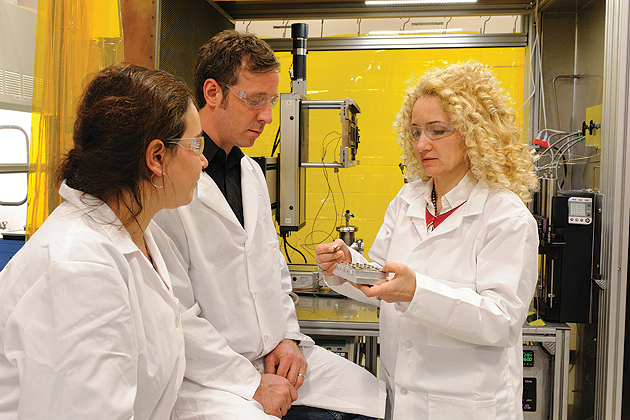
Radenka Maric, Connecticut Clean Energy Fund Professor of Sustainable Energy, right, in the lab with Justin Roller, center, a graduate student and Mirela Dragan, a postdoctoral fellow. (Peter Morenus/UConn Photo)

UConn’s Center for Clean Energy Engineering has developed a new manufacturing process for fuel cells that could make highly efficient, fuel cell-powered vehicles a viable commercial option in the next 10 years and possibly sooner.

Professor Radenka Maric developed the breakthrough process, which significantly lowers production costs while maintaining maximum efficiency. The process is not limited to hydrogen fuel cells. It can be applied in other industrial applications to extend the durability and efficiency of larger solid oxide fuel cells, used to heat and provide electricity to buildings, as well as lithium-ion batteries currently used in most battery-powered, plug-in, and hybrid cars.

Hydrogen fuel cells, also known as Proton Exchange Membrane (PEM) fuel cells, are an attractive alternative fuel source for vehicles because of their high level of efficiency, low greenhouse gas emissions, and environmentally friendly operation. They have no moving parts, and their only emission is water and heat.

But one of the primary drawbacks to the widespread use of the cells is that they are expensive to manufacture because platinum, a rare and expensive metal used as catalyst material to create energy, is one of the cell’s main components.

At UConn’s clean energy engineering facility, Maric has developed a prototype manufacturing process for the fuel cells that uses 10 times less catalyst material with little waste. The low-temperature process allows for important industrial controls and flexibility, and can be easily scaled up for mass production.

“We are trying to reduce the processing steps, and that is going to reduce the cost of manufacturing,” says Maric, the Connecticut Clean Energy Fund Professor in Sustainable Energy in the School of Engineering’s Department of Chemical, Materials, and Biomolecular Engineering. “Many times, an industry starts working on something with the technologies they inherit. They may make the first generation of products, but they are always looking for that next generation that is better and cheaper. That is what we are focusing on – the next generation.”

Maric is internationally recognized for her work with fuel cells, thin films, and nanomaterials technology. Prior to coming to Storrs in 2010, Maric was a group leader and program manager at the National Research Council of Canada’s Institute for Fuel Cell Innovation. Earlier in her career, she was a senior scientist and team leader working on material development for fuel cells and batteries at the Japan Fine Ceramics Center in Nagoya, Japan. Maric has published more than 150 scientific papers and holds several patents.

In response to industry demand for lower manufacturing costs, increased durability, and increased efficiency for fuel cells, Maric created a novel production process known as reactive spray deposition technology, or RSDT. In the process, small particles of catalyst material, such as platinum, are shot out of a nozzle in the form of a gas flame, where they are instantly cooled into atom-sized solids and sprayed onto the fuel cell membrane in a carefully calibrated fine layer.

The flame-based dispersion of the catalyst material allows it to bond to the membrane quickly, eliminating several binding and drying steps necessary in the current manufacturing process. By applying such a fine layer of catalyst material and by achieving greater control of the size and saturation rate of the particles, the RSDT process also limits waste.

The flexibility and control standards of the process further allow manufacturers to manage the thickness of the material layers that are applied, which is important in fuel cell technology. Material layers in fuel cells need to be thin enough to provide maximum conductivity when used in low-temperature hydrogen fuel cells, yet thick enough to prevent corrosion and maintain durability at the high temperatures at which solid oxide fuel cells operate.

The RSDT process can also be applied in the production of more advanced lithium-ion batteries. Similar to what it does with hydrogen fuel cells, RSDT’s direct dry application of the nanocoatings used inside the battery eliminates several binding steps in the current manufacturing process. Its high level of particle control and flexibility allows developers to use less material at less cost.

Industry interest

Several Connecticut companies, including Sonalysts Inc. of Waterford and Proton OnSite of Wallingford, are currently considering Maric’s production techniques for industrial and commercial applications.

Researchers at Sonalysts are helping the U.S. Office of Naval Research find ways to improve the safety and reliability of lithium-ion batteries through the use of nanotechnology and advanced thermal management. The company is also investigating new ways to improve the efficiency of Proton Exchange Membrane fuel cells by reducing the amount of the required catalyst.

“Professor Maric’s rapid spray deposition technology offers the potential of performance and reduction of manufacturing costs for both of these products,” says Armand E. Halter, vice president of applied sciences at Sonalysts. “Our initial tasking is directed to investigate the benefits of RSDT to enable catalyst deposition directly upon high-temperature membranes … at substantially lower weight loadings. … With good results, we anticipate expansion of this development work as the program moves forward.”

At Proton OnSite, a global hydrogen energy and technology company, Katherine Ayers, the company’s director of research, says she, too, is interested in Maric’s use of the reactive spray deposition technique. “Our interest is in the potential for this technology to enable much lower amounts of expensive catalyst metals, while still providing mild processing conditions at the membrane surface to avoid damage to the membrane,” says Ayers. “We also believe this technology has the ability to substantially reduce labor and scrap, especially due to the short shelf-life of most inks currently used for electrode processing.”

Source: University of Connecticut

Thursday, 8 March 2012

Fuel cell technology could be under your car bonnet by 2017

Engineerblogger
March 8, 2012


Credit: Carbon Trust

Carbon Trust has given a £1m boost to four UK fuel cell pioneers. Their cutting-edge technology could be used under the bonnet of mass-produced hydrogen-powered cars as early as 2017. Major manufacturers have already built hydrogen-powered fuel cell cars, but the real challenge is to bring down the costs and, in the global race to do this, UK technologies are now in pole position.

Having identified an opportunity to combine innovative technology from Runcorn-based ACAL Energy and Sheffield-based ITM Power, the Carbon Trust is providing £500k of funding to the companies to develop a new hybrid high-power, low-cost fuel cell design.

Carbon Trust is also backing a project based at Imperial College London (Imperial) and University College London (UCL) with £500k to develop a fuel cell that could offer significant cost savings by using existing high-volume manufacturing techniques employed in the production of printed circuit boards.

The funding comes from the Carbon Trust’s Polymer Fuel Cells Challenge (PFCC) which was launched in 2009 to support the Department for Energy and Climate Change’s objectives to develop lower cost fuel cells and coincides with the recent launch of the Government’s UKH2Mobility project to ensure the UK is well positioned for the commercial roll-out of hydrogen fuel cell vehicles.

Dr Ben Graziano, Technology Commercialisation Manager at the Carbon Trust, said:

“The UK’s home-grown automotive industry hasn’t been the runaway success story many would have hoped for, but British technology is in pole position to be under the bonnet of a next generation of mass-produced hydrogen-powered cars. After a lot of hype, fuel cell technology is now a great growth opportunity for the UK. The funding that we have received from the Department for Energy and Climate Change has enabled us to support the development of some truly world-class British technologies that could slash the costs of fuel cells and transform how we all get about; by 2017 British fuel cell technologies could be powering your car.”

Simon Bourne, CTO, ITM Power Plc, said:

“The PFCC has afforded ITM the opportunity to build on its ground breaking laboratory results via a structured programme to de-risk its membrane technology. With the high level introductions the Carbon Trust has made with commercial end users and the continued success of subsequent material evaluation studies, ITM is in a very strong position to exploit this exciting new fuel cell technology.”

Amanda Lyne, VP of Strategic Business Development and Marketing, ACAL Energy Ltd said:

"It is excellent news that automotive OEMs are committed to the launch of hydrogen fuel cell electric vehicles in 2015 timescales, and that the UK will be among the early adopters. However it is clear that continuous efforts to reduce cost will be necessary to ensure that H2FC vehicles are affordable for mass markets. This funding from the Carbon Trust PFCC is perfectly targeted to ensure that British innovation can be at the forefront of the process to get the economics of the technology right."

Carbon Trust’s Polymer Fuel Cells Challenge aims to speed the UK towards world-beating fuel cell solutions that can grab a significant share of a market that the Carbon Trust has estimated to be worth $26bn in 2020. About the projects:

ACAL Energy/ITM Power

Carbon Trust, which has already supported ACAL Energy and ITM Power in de-risking their unique technologies, saw an opportunity to combine these innovations to demonstrate a fuel cell that could be far cheaper to manufacture, more efficient, produce the required power and be compact enough to fit under the bonnet of tomorrow’s cars. ACAL Energy brings a revolutionary new design of fuel cell inspired by the human lung and bloodstream that is highly durable, virtually platinum-free and also significantly cheaper to produce. ITM Power brings a unique membrane technology (which has been evaluated by several global companies), proven to produce world-beating power density (widely recognised as the single most important factor in reducing fuel cell costs), which could be in fuel cell cars by as early as 2017.

ITM’s current order book for delivery in the current financial year is £0.5m. The company has recruited seven staff in the last 12 months and is currently seeking to recruit ten more. ACAL Energy has raised £6.1m of investment since March 2010 and its staff is set to increase from 25 at that time to 35 by April 2012.

Imperial/UCL

The Imperial and UCL project is developing a fuel cell stack that could offer significant cost savings by using existing high-volume manufacturing techniques employed in the production of printed circuit boards. By simplifying the design and manufacture, this could reduce the costs of a fuel cell stack by more than 20%. Imperial Innovations and UCL Business are collaborating with the project to assist commercialisation of the technology.

Source:  Carbon Trust

Related Information:

Tuesday, 21 February 2012

Testing a fuel cell on a ship

Engineerblogger
Feb 21, 2012


Viking Lady

The financial crisis is not putting a stop to the world’s first ship with a fuel cell. The testing of this technology, which may halve the climate emissions from shipping, starts in a couple of months.

A rather unusual offshore supply ship is being built at the Westcon shipyard in Norway. The gas-driven supply ship, which belongs to the Eidesvik shipping company, will be the test centre for the world’s first fuel cell on board a merchant vessel.

The Viking Lady will be this pioneering shipowner’s third supply ship to be run on LNG. This gas will also be the fuel for the 320 kW fuel cell. This is in principle sufficient to act as an auxiliary engine to ensure a power supply on board, but not enough for propulsion.

The first step Fuel cells in ships may lead to an environmental revolution in shipping. The Norwegian-German Fellowship project is, however, just the beginning. Following the hopefully successful demonstration will be more developments on reducing cost and physical volume and increasing lifetime and reliability. The fuel cell on the Viking Lady is being built in addition to a normal auxiliary engine, but will be connected to the systems on board so that it can provide a small contribution to the operations.

However, the most important thing will be to conduct research and gain experience so that fuel cells have a future in shipping.

"A huge amount of work remains to be done. But owing to high efficiency and clean emissions, I am convinced that fuel cells are the way of the future; onshore, offshore and onboard ships," says DNV’s project manager Tomas H. Tronstad.

Challenges at sea 
The fuel cell being tested on the Viking Lady has been developed by Germany’s MTU Onsite Energy.

More than 50 fuel cells of the same type are used as back-up power generators on shore, for instance in hospitals and universities. But it is one thing to stand firmly and quietly on land and quite another to place the sensitive technology on a ship that rolls and pitches in the waves and in a tough, salty climate.

"One of the biggest challenges is to ‘marinefy’ the technology and to integrate the fuel cell with the traditional machinery-, control- and electro systems," says Mr Tronstad.

In the German-Norwegian project, the fuel cell, all the equipment and the ship will be adapted and modified. Many companies and partners are providing technology and equipment.

Ship-design company Vik-Sandvik is designing and adapting the ship and equipment location, while Wärtsilä Norway has put together a package of electrical and control systems that are being built in a separate container. DNV has examined the safety and risk aspects and prepared classification rules.

In such a pioneering project, the importance of class is highlighted when it comes to safeguarding the interfaces between the various machinery disciplines.

Tests on shore 
The next milestone is testing parts of the equipment on shore at Wärtsilä’s facility at Stord in Norway. The fuel cell itself will be in another, larger container, which is almost finished.

The actual heart of the engine, its core, has not arrived in Norway yet, but it will do so in a few months.

"The timetable is being kept. The first equipment testing started on shore in April," states Mr Tronstad.

Eidesvik took delivery of the ship in March and will start to lift components on board later this summer.

"The goal is to start testing in the sea in September. Everything is on schedule," says project developer Kjell Sandaker of Eidesvik.

Monetary challenges This has not been the case all the time. Project manager Mr Tronstad had to go around ministries and government bodies many times to obtain the public grants for this development project in 2006.

Following a cautious start in 2003, there was a need for almost NOK 100 million to get to the next phase. That meant that around NOK 50 million was required from public funds. Not an easy amount to obtain from those sources.

In total the project budget is NOK 115 million over six years, with roughly 45% funding from the Research Council of Norway, Innovation Norway and German state funding. The remaining 55% is covered by the private partners .


Friday, 27 January 2012

Novel Materials for Hydrogen Storage

Engineerblogger
Jan 27, 2012


Berkeley Lab scientist Jeffrey Long co-leads a project to develop novel materials for hydrogen storage. (Credit: Roy Kaltschmidt/Berkeley Lab)


The biggest challenge with hydrogen-powered fuel cells lies in the storage of hydrogen: how to store enough of it, in a safe and cost-effective manner, to power a vehicle for 300 miles? Lawrence Berkeley National Laboratory (Berkeley Lab) is aiming to solve this problem by synthesizing novel materials with high hydrogen adsorption capacities.

The U.S. Department of Energy recently awarded Berkeley Lab a three-year, $2.1 million grant for the project, which will also include contributions by the National Institute of Standards and Technology (NIST) and General Motors (GM). The grant was part of more than $7 million awarded by DOE last month for hydrogen storage technologies in fuel cell electric vehicles.

“We’re working on materials called metal-organic frameworks to increase the capacity of hydrogen gas in a pressure cylinder, which would be the fuel tank,” said Jeffrey Long, a Berkeley Lab scientist who co-leads the project along with Berkeley Lab chemist Martin Head-Gordon. “With these materials, we’re working on storing the hydrogen without the use of very high pressures, which will be safer and also more efficient without the significant compression energy losses.”

Metal-organic frameworks (MOFs) are three-dimensional sponge-like framework structures that are composed primarily of carbon atoms and are extremely lightweight. “What’s very special about these materials is that you can use synthetic chemistry to modify the surfaces within the materials and make it attractive for hydrogen to stick on the surface,” Long explained.

Separately, Long is also using MOFs in a carbon capture project, in which the material would selectively absorb carbon dioxide over nitrogen. For the fuel cell project, the trick lies not in getting the MOF to select hydrogen out of a mixture but to store as much hydrogen as possible.

Currently, vehicles using hydrogen fuel cells can achieve a range of close to 300 miles—but only if the hydrogen is stored at extremely high pressures (600 to 700 bar), which is expensive and potentially unsafe. It is also energy intensive to pressurize the hydrogen.

So far Long has succeeded in more than doubling hydrogen capacity, but only at very low temperatures (around 77 Kelvin, or -321 Fahrenheit). “It’s still very much basic research on how to create revolutionary new materials that would boost the capacity by a factor of four or five at room temperature,” he said. “We have an idea of what kinds of frameworks we might make to do this.”

Long’s approach is to create frameworks with lightweight metal sites on the surface, making it attractive for hydrogen molecules to bind to the sites. “Our approach has been to make some of the first metal-organic frameworks that have exposed metal cations on the surface,” he said. “Now we need to figure out ways of synthesizing the materials so that instead of one hydrogen molecule we can get two or three or even four hydrogen molecules per metal site. Nobody’s done that.”

This is where Head-Gordon, a computational chemist, comes in. He will work on theoretical understanding of MOFs so that he can try to predict their hydrogen storage properties and then instruct Long’s team as to what kind of material to synthesize. “He can do calculations on a lot of different target structures and say, here’s the best one for you guys to spend time trying to make, because synthetic chemistry is very cost and labor intensive,” Long said.

The scientist at GM will aid in providing accurate high-pressure measurements. The NIST scientist is an expert in neutron diffraction and neutron spectroscopy, which will allow Long and his team to pinpoint where exactly the hydrogen is going and verify that it is binding to the metals.

Source: Lawrence Berkeley National Laboratory (Berkeley Lab)

Monday, 9 January 2012

Powering insect cyborgs with an implantable biofuel cell

Engineerblogger
Jan 9, 2012


Researchers have developed a biofuel cell to enable the development of 'insect cyborgs' Image: Shutterstock

Research into developing insect cyborgs for use as first responders or super stealthy spies has been going on for a while now. Most research has focused on using batteries, tiny solar cells or piezoelectric generators to harvest kinetic energy from the movement of an insect's wings to power the electronics attached to the insects. Now a group of researchers at Case Western Reserve University have created a power supply that relies just on the insect's normal feeding.
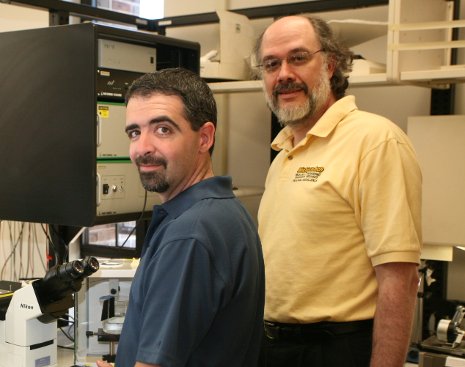
Recognizing that using a real insect is much easier than starting from scratch to create a device that works like an insect, Case Western Reserve chemistry professor teamed up with graduate student Michelle Rasmussen, biology professor Roy E. Ritzmann, chemistry professor Irene Lee and biology research assistant Alan J. Pollack to develop an implantable biofuel cell to provide usable power for the various sensors, recording devices, or electronics used to control an insect cyborg.

To convert chemical energy harvested from the insect and turn it into electricity, the team used two enzymes in series to create the anode. The first enzyme breaks down the sugar trehalose, which a cockroach constantly produces from its food, into two simpler sugars, called monosaccarides, while the second enzyme oxidizes the monosaccarides to release electrons. A current them flows as the electrons are drawn to the cathode, where oxygen from air takes up the electrons and is reduced to water.

After testing the system using trehalose solution, the team inserted prototype electrodes in a blood sinus away from critical organs in the abdomen of a female cockroach. The cockroaches suffered no long-term damage, which the researchers say bodes well for long-term use.

"Insects have an open circulatory system so the blood is not under much pressure," Ritzmann explained. "So, unlike say a vertebrate, where if you pushed a probe into a vein or worse an artery (which is very high pressure) blood does not come out at any pressure. So, basically, this is really pretty benign. In fact, it is not unusual for the insect to right itself and walk or run away afterward."

Using an instrument called a potentiostat, the team determined the maximum power density of the fuel cell reached nearly 100 microwatts per square centimeter at 0.2 volts, with a maximum current density of about 450 microamps per square centimeter.

The researchers are now working to miniaturize the fuel cell so that it can be fully implanted into an insect while still allowing it to run or fly normally and examining which materials might last for a long time inside an insect. They are also working with other researchers to develop a signal transmitter that can run on little energy and also exploring how to add a lightweight rechargeable battery to the system.

"It's possible the system could be used intermittently," Scherson said. "An insect equipped with a sensor could measure the amount of noxious gas in a room, broadcast the finding, shut down and recharge for an hour, then take a new measurement and broadcast again."

The Case Western Reserve University team's work was published last week in the Journal of the American Chemical Society.


Source: Gizmag

Wednesday, 4 January 2012

N.E. Chemcat Corporation Licenses Brookhaven Lab's Electrocatalyst Technology for Fuel Cells in Electric Vehicles

Engineerblogger
Jan 4, 2012


(From left) Brookhaven National Laboratory chemists Kotaro Sasaki, Radoslav Adzic, Jia Wang, and Miomir Vukmirovic work on the recently licensed electrocatalysts using a new electron microscope in their laboratory.

N.E. Chemcat Corporation, Japan’s leading catalyst and precious metal compound manufacturer, has licensed electrocatalysts developed by scientists at the U.S. Department of Energy’s Brookhaven National Laboratory that can reduce the use of costly platinum and increase the effectiveness of fuel cells for use in electric vehicles. In addition, the license includes innovative methods for making the catalysts and an apparatus design used in manufacturing them.

Platinum is the most efficient electrocatalyst for fuel cells, but platinum-based catalysts are expensive, unstable, and have low durability. The newly licensed electrocatalysts have high activity, stability, and durability, while containing only about one tenth the platinum of conventional catalysts used in fuel cells, reducing overall costs.

The electrocatalysts consist of a palladium or a palladium alloy nanoparticle core covered with a monolayer – one-atom thick – platinum shell. This palladium-platinum combination notably improves oxygen reduction at the cathode of a hydrogen/oxygen fuel cell. This type of fuel cell produces electricity using hydrogen as fuel, and forms water as the only byproduct.

Radoslav Adzic, the Brookhaven Lab senior chemist who led the team that developed the catalysts, said, “We are delighted that N.E. Chemcat Corporation has licensed our platinum monolayer electrocatalyst technology. We hope that it will facilitate the development of affordable and reliable fuel cell electric vehicles, which would be very beneficial for the environment since they produce no harmful emissions. Also, the use of nonrenewable fossil fuels for transportation that contribute to global warming would be greatly reduced, prolonging their availability for other uses in the future.”

Source:  Brookhaven National Laboratory

Monday, 19 December 2011

Fuel Cells: A Clean Energy Alternative at New World Trade Center, New York City’s Octagon

CleanTechnica
Dec 18, 2011


Photo courtesy UTC Power

Our posting of UTC Power’s February 2011 infographic comparing the energy conversion and green tech attributes of their 400 kilowatt (kW) model PureCell with that of the equivalent solar and wind power systems generated a number of comments and criticism.

Looking to clarify matters and respond to readers’ comments, including adding information about the infographic’s underlying assumptions and data sources, I got back in touch with UTC Power’s marketing and communications manager Mike Glynn with the help of the MSL Group’s Mary McCeney. I believe it pays to keep an open mind when considering clean, green energy alternatives.

In the process, I learned about two high-profile applications of UTC Power’s PureCell fuel cell systems. First, 12 UTC Power PureCell Model 400 fuel cell stacks are now on site at the new World Trade Center in downtown New York City. Providing 4.8 megawatts (MW) of clean power when operational, the combined systems will rank as one of the largest fuel cell installations in the world, according to UTC.

In a second installation, solar and fuel cell power are both providing clean energy at The Octagon, a mixed-use residential and commercial building complex on Roosevelt Island in midtown Manhattan. A 50kW solar power array and a PureCell Model 400, 400kW system are supplying 50% of the building’s power needs.
To read more click here...

Monday, 5 December 2011

Gasoline Fuel Cell Would Boost Electric Car Range

Technology Review
Dec 2, 2011
 
Gas guzzler: The fuel cell developed at the University of Maryland. Credit:
University of Maryland


If you want to take an electric car on a long drive, you need a gas-powered generator, like the one in the Chevrolet Volt, to extend its range. The problem is that when it's running on the generator, it's no more efficient than a conventional car. In fact, it's even less efficient, because it has a heavy battery pack to lug around.

Now researchers at the University of Maryland have made a fuel cell that could provide a far more efficient alternative to a gasoline generator. Like all fuel cells, it generates electricity through a chemical reaction, rather than by burning fuel, and can be twice as efficient at generating electricity as a generator that uses combustion.

The researchers' fuel cell is a greatly improved version of a type that has a solid ceramic electrolyte, and is known as a solid-oxide fuel cell. Unlike the hydrogen fuel cells typically used in cars, solid-oxide fuel cells can run on a variety of readily available fuels, including diesel, gasoline, and natural gas. They've been used for generating power for buildings, but they've been considered impractical for use in cars because they're far too big and because they operate at very high temperatures—typically at about 900 ⁰C.

By developing new electrolyte materials and changing the cell's design, the researchers made a fuel cell that is much more compact. It can produce 10 times as much power, for its size, as a conventional one, and could be smaller than a gasoline engine while producing as much power.

The researchers have also lowered the temperature at which the fuel cell operates by hundreds of degrees, which will allow them to use cheaper materials. "It's a huge difference in cost," says Eric Wachsman, director of the University of Maryland Energy Research Center, who led the research. He says the researchers have identified simple ways to improve the power output and reduce the temperature further still, using methods that are already showing promising results it the lab. These advances could bring costs to a point that they are competitive with gasoline engines. Wachsman says he's in the early stages of starting a company to commercialize the technology.
To read more click here...


Related Information:

Thursday, 24 November 2011

Three-Dimensional Characterization of Catalyst Nanoparticles

Engineerblogger
Nov 23, 2011


Depiction of catalyst nanoparticles: The particles (coloured)
adhere to a substrate (grey). They are imaged by electron
tomography. For imaging, the data are processed using novel
algorithms.


Catalysts will forever be a part of modern technology. They are crucial to industrial chemical processes, are fundamental to low-emission cars and will be essential for energy production inside next generation fuel cells. In a cooperative between Helmholtz Zentrum Berlin (HZB) and the Federal Institute for Materials Research and Testing (BAM), scientists have produced the first three-dimensional representations of ruthenium catalyst particles only two nanometres in diameter using electron tomography.

Employing new processing algorithms, the scientists were then able to analyze and assess the chemically active, free surfaces of the particles. This detailed particle study provides insights into the action of catalysts that will play a key role in the fuel cell-powered cars of the future. The results are published in the Journal of the American Chemical Society (JACS).

To gain a fuller understanding of the action of catalyst particles and to enhance them accordingly, it is extremely important to know their three-dimensional shape and structure. The problem is these particles are typically only around two nanometres in size, some ten thousand times smaller than the thickness of a human hair. As part of his doctoral work, HZB physicist Roman Grothausmann, together with colleagues from HZB and BAM, has managed to analyze in three dimensions special catalyst nanoparticles developed at HZB for use in polymer electrolyte membrane (PEM) fuel cells in cars and busses. The scientists employed a special technique called electron tomography. This technique is similar to computer tomography (CT), as used in medicine, with the difference that the nanoparticles are scanned at much higher resolution. Grothausmann took many individual electron micrographs from different angles. Scientists from BAM then calculated 3D images in very sharp detail using a novel mathematical reconstruction algorithm.

Inside a fuel cell, catalysis takes place on the surface of the catalyst material. Since catalyst materials are often very expensive – platinum, for example – the aim is to obtain as large a surface area on the tiny particles as possible. Nanoparticles have an especially large surface area compared to their volume. At the atomic scale, however, not all areas of the particle surface are equal: Some parts of the surface allow a higher conversion rate of chemical to electrical energy than other areas, depending on their specific properties. Since the particles of a heterogenic catalyst do not float around freely but rest on a substrate instead, only a portion of each catalyst nanoparticle’s surface is available for catalysis. The reactive materials can only reach these uncovered surfaces. Yet, the electrically conductive connection between the nanoparticles and substrate is just as important for closing the circuit of the fuel cell. Grothausmann and colleagues measured both the uncovered and covered surfaces of a few thousand nanoparticles to determine the size and shape distribution of the nanoparticles. It turns out many of the nanoparticles deviate from spherical symmetry, which increases their surface to volume ratio. Next, they analyzed the alignment of the nanoparticles to the local surface of the substrate. Statistically, this shows how frequently the rough and particularly reactive surface areas of the nanoparticles remain uncovered.

Electron tomography is a method for directly imaging 3D structures, and serves as a reference for better understanding data obtained using other methods. The catalyst studied in this case accelerates the reduction of oxygen to water in PEM fuel cells. Instead of the typically used and very expensive platinum, the more affordable material ruthenium was used. This doctorate helps to understand these novel materials and how to optimize them for use in the next generation of fuel cells.

Source:  Helmholtz-Zentrum Berlin für Materialien und Energie


Additional Information: