Blogger Themes

Showing posts with label Green Energy. Show all posts

Friday, 15 February 2013

New carbon films improve prospects of solar energy devices

Engineerblogger
Feb 15, 2013
Abstract Image
New research by Yale University scientists helps pave the way for the next generation of solar cells, a renewable energy technology that directly converts solar energy into electricity. (Illustration by the researchers)
 
New research by Yale University scientists helps pave the way for the next generation of solar cells, a renewable energy technology that directly converts solar energy into electricity.

In a pair of recent papers, Yale engineers report a novel and cost-effective way to improve the efficiency of crystalline silicon solar cells through the application of thin, smooth carbon nanotube films. These films could be used to produce hybrid carbon/silicon solar cells with far greater power-conversion efficiency than reported in this system to date.

“Our approach bridges the cost-effectiveness and excellent electrical and optical properties of novel nanomaterials with well-established, high efficiency silicon solar cell technologies,” said André D. Taylor, assistant professor of chemical and environmental engineering at Yale and a principal investigator of the research.

The researchers reported their work in two papers published in December, one in the journal Energy and Environmental Science and one in Nano Letters (Record High Efficiency Single-Walled Carbon Nanotube/Silicon p–n Junction Solar Cells). Mark A. Reed, a professor of electrical engineering and applied physics at Yale, is also a principal investigator.

Silicon, an abundant element, is an ideal material for solar cells because its optical properties make it an intrinsically efficient energy converter. But the high cost of processing single-crystalline silicon at necessarily high temperatures has hindered widespread commercialization.

Organic solar cells — an existing alternative to high-cost crystalline silicon solar cells — allow for simpler, room-temperature processing and lower costs, researchers said, but they have low power-conversion efficiency.

Instead of using only organic substitutes, the Yale team applied thin, smooth carbon nanotube films with superior conductance and optical properties to the surface of single crystalline silicon to create a hybrid solar cell architecture. To do it, they developed a method called superacid sliding.

As reported in the papers, the approach allows them to take advantage of the desirable photovoltaic properties of single-crystalline silicon through a simpler, low-temperature, lower-cost process. It allows for both high light absorption and high electrical conductivity.

“This is striking, as it suggests that the superior photovoltaic properties of single-crystalline silicon can be realized by a simple, low-temperature process,” said Xiaokai Li, a doctoral student in Taylor’s lab and a lead author on both papers. “The secret lies in the arrangement and assembly of these carbon nanotube thin films,”

In previous work, Yale scientist successfully developed a carbon nanotube composite thin film that could be used in fuel cells and lithium ion batteries. The recent research suggests how to extend the film’s application to solar cells by optimizing its smoothness and durability.

“Optimizing this interface could also serve as a platform for many next-generation solar cell devices, including carbon nanotube/polymer, carbon/polymer, and all carbon solar cells,” said Yeonwoong (Eric) Jung, a postdoctoral researcher in Reed’s lab and also a lead author of the papers.

All authors are listed on the papers (links above).

The National Science Foundation, NASA, the U.S. Department of Energy, and the Yale Institute for Nanoscience and Quantum Engineering provided support for the research.

Source: Yale University

Additional Information:

Wednesday, 16 January 2013

Engineer making rechargeable batteries with layered nanomaterials

Engineerblogger
Jan 16, 2013

We study the process of graphene growth on Cu and Ni substrates subjected to rapid heating (approximately 8 °C/s) and cooling cycles (approximately 10 °C/s) in a modified atmospheric pressure chemical vapor deposition furnace. Electron microscopy followed by Raman spectroscopy demonstrated successful synthesis of large-area few-layer graphene (FLG) films on both Cu and Ni substrates. The overall synthesis time was less than 30 min. Further, the as-synthesized films were directly utilized as anode material and their electrochemical behavior was studied in a lithium half-cell configuration. FLG on Cu (Cu-G) showed reduced lithium-intercalation capacity when compared with SLG, BLG and Bare-Cu suggesting its substrate protective nature (barrier to Li-ions). Although graphene films on Ni (Ni-G) showed better Li-cycling ability similar to that of other carbons suggesting that the presence of graphene edge planes (typical of Ni-G) is important in effective uptake and release of Li-ions in these materials.  Source: ACS


A Kansas State University researcher is developing more efficient ways to save costs, time and energy when creating nanomaterials and lithium-ion batteries.

Gurpreet Singh, assistant professor of mechanical and nuclear engineering, and his research team have published two recent articles on newer, cheaper and faster methods for creating nanomaterials that can be used for lithium-ion batteries. In the past year, Singh has published eight articles -- five of which involve lithium-ion battery research.

"We are exploring new methods for quick and cost-effective synthesis of two-dimensional materials for rechargeable battery applications," Singh said. "We are interested in this research because understanding lithium interaction with single-, double- and multiple-layer-thick materials will eventually allow us to design battery electrodes for practical applications. This includes batteries that show improved capacity, efficiency and longer life."

For the latest research, Singh's team created graphene films that are between two and 10 layers thick. Graphene is an atom-thick sheet of carbon. The researchers grew the graphene films on copper and nickel foils by quickly heating them in a furnace in the presence of controlled amounts of argon, hydrogen and methane gases. The team has been able to create these films in less than 30 minutes. Their work appears in the January issue of ACS-Applied Materials and Interfaces in an article titled "Synthesis of graphene films by rapid heating and quenching at ambient pressures and their electrochemical characterization."

The research is significant because the researchers created these graphene sheets by quickly heating and cooling the copper and nickel substrates at atmospheric pressures, meaning that scientists no longer need a vacuum to create few-layer-thick graphene films and can save energy, time and cost, Singh said.

The researchers used these graphene films to create the negative electrode of a lithium-ion cell and then studied the charge and discharge characteristics of this rechargeable battery. They found the graphene films grown on copper did not cycle the lithium ions and the battery capacity was negligible. But graphene grown on nickel showed improved performance because it was able to store and release lithium ions more efficiently.

"We believe that this behavior occurs because sheets of graphene on nickel are relatively thick near the grain boundaries and stacked in a well-defined manner -- called Bernal Stacking -- which provides multiple sites for easy uptake and release of lithium ions as the battery is discharged and charged," Singh said.

In a second research project, the researchers created tungsten disulfide nanosheets that were approximately 10 layers thick. Starting with bulk tungsten disulfide powder -- which is a type of dry lubricant used in the automotive industry -- the team was able to separate atomic layer thick sheets of tungsten disulfide in a strong acid solution. This simple method made it possible to produce sheets in large quantities. Much like graphene, tungsten disulfide also has a layered atomic structure, but the individual layers are three atoms thick.

The researchers found that these acid-treated tungsten disulfide sheets could also store and release lithium ions but in a different way. The lithium is stored through a conversion reaction in which tungsten disulfide dissociates to form tungsten and lithium sulfide as the cell is discharged. Unlike graphene, this reaction involves the transfer of at least two electrons per tungsten atom. This is important because researchers have long disregarded such compounds as battery anodes because of the difficulty associated with adding lithium to these materials, Singh said. It is only recently that the conversion reaction-based battery anodes have gained popularity.

"We also realize that tungsten disulfideis a heavy compound compared to state-of-the-art graphite used in current lithium-ion batteries," Singh said. "Therefore tungsten disulfide may not be an ideal electrode material for portable batteries."

The research appeared in a recent issue of the Journal of Physical Chemistry Letters in an article titled "Synthesis of surface-functionalized WS2 nanosheets and performance as Li-ion battery anodes."

Both projects are important because they can help scientists create nanomaterials in a cost-effective way. While many studies have focused on making graphene using low-pressure chemical processes, little research has been tried using rapid heating and cooling at atmospheric pressures, Singh said. Similarly, large quantities of single-layer and multiple-layer thick sheets of tungsten disulfide are needed for other applications.

"Interestingly, for most applications that involve this kind of battery research and corrosion prevention, films that are a few atoms thick are usually sufficient," Singh said. "Very high quality large area single-atom-thick films are not a necessity."

Other Kansas State University researchers involved in the projects include Romil Bhandavat and Lamuel David, both doctoral students in mechanical engineering, India, and Saksham Pahwa, a visiting undergraduate student, India. The graphene research involved University of Michigan researchers, including Zhaohui Zhong, assistant professor of electrical engineering and computer science, andGirish Kulkarni, doctoral candidate in electrical engineering.

Singh's work has been supported by the National Institute of Standards and Technology and the Kansas National Science Foundation Experimental Program to Stimulate Competitive Research program.

Singh plans future research to study how these layered nanomaterials can create better electrodes in the form of heterostructures, which are essentially three-dimensional stacked structures involving alternating layers of graphene and tungsten or molybdenum disulfide.

Source:  Kansas State University

Additional Information:

Sunday, 13 January 2013

Peel-and-Stick Solar Cells: Devices could charge battery-powered products in the future

Engineerblogger
Jan 13, 2013

(a) As-fabricated TFSCs on the original Si/SiO2 wafer. (b) The TFSCs are peeled off from the Si/SiO2 wafer in a water bath at room temperature. (c) The peeled off TFSCs are attached to a target substrate with adhesive agents. (d) The temporary transfer holder is removed, and only the TFSCs are left on the target substrate. Credit: Nature


It may be possible soon to charge cell phones, change the tint on windows, or power small toys with peel-and-stick versions of solar cells, thanks to a partnership between Stanford University and the U.S. Department of Energy’s National Renewable Energy Laboratory (NREL).
A scientific paper, “Peel and Stick: Fabricating Thin Film Solar Cells on Universal Substrates,” appears in the online version of Scientific Reports, a subsidiary of the British scientific journal Nature.

Peel-and-stick, or water-assisted transfer printing (WTP), technologies were developed by the Stanford group and have been used before for nanowire based electronics, but the Stanford-NREL partnership has conducted the first successful demonstration using actual thin film solar cells, NREL principal scientist Qi Wang said.

The university and NREL showed that thin-film solar cells less than one-micron thick can be removed from a silicon substrate used for fabrication by dipping them in water at room temperature. Then, after exposure to heat of about 90°C for a few seconds, they can attach to almost any surface.

Wang met Stanford’s Xiaolin Zheng at a conference last year where Wang gave a talk about solar cells and Zheng talked about her peel-and-stick technology. Zheng realized that NREL had the type of solar cells needed for her peel-and-stick project.

NREL’s cells could be made easily on Stanford’s peel off substrate. NREL’s amorphous silicon cells were fabricated on nickel-coated Si/SiO2 wafers. A thermal release tape attached to the top of the solar cell serves as a temporary transfer holder. An optional transparent protection layer is spin-casted in between the thermal tape and the solar cell to prevent contamination when the device is dipped in water. The result is a thin strip much like a bumper sticker: the user can peel off the handler and apply the solar cell directly to a surface.

“It’s been a quite successful collaboration,” Wang said. “We were able to peel it off nicely and test the cell both before and after. We found almost no degradation in performance due to the peel-off.”

Zheng said the partnership with NREL is the key for this successful work. “NREL has years of experience with thin film solar cells that allowed us to build upon their success,” Zheng said. “Qi Wang and (NREL engineer) William Nemeth are very valuable and efficient collaborators.”

Zheng said cells can be mounted to almost any surface because almost no fabrication is required on the final carrier substrates.

The cells’ ability to adhere to a universal substrate is unusual; most thin-film cells must be affixed to a special substrate. The peel-and-stick approach allows the use of flexible polymer substrates and high processing temperatures. The resulting flexible, lightweight, and transparent devices then can be integrated onto curved surfaces such as military helmets and portable electronics, transistors and sensors.

In the future, the collaborators will test peel-and-stick cells that are processed at even higher temperatures and offer more power.

Source: National Renewable Energy Laboratory (NREL)

Additional Information:

Saturday, 12 January 2013

Smarter infrastructure: Converting vibrations into electricity

Engineerblogger
Jan 12, 2013

Tunnel
Credit: stopthegears, via Flickr creative commons


A team from the Centre for Smart Infrastructure and Construction have developed a mechanical amplifier to convert ambient vibrations into electricity more effectively, which could be used to power wireless sensors for monitoring the structural health of roads, bridges and tunnels.

Undetected structural problems in aging infrastructure can be disastrous, such as the recent incident in the busy Sasago tunnel west of Tokyo. Nine people were killed when huge chunks of concrete began to fall from the roof of the tunnel, starting a fire and trapping people in their vehicles. Thankfully, such incidents are rare, but the ability to determine when structural problems may become a threat to public safety is a major priority for government and industry.

The Centre for Smart Infrastructure and Construction (CSIC) was established in 2011 to develop and commercialise new technologies designed to make smart infrastructure possible, primarily through the development of new sensor and data management technologies, which will enable continuous monitoring of our roads, tunnels and bridges.

A new device designed by researchers in the CSIC could allow this type of observations by converting the vibration experienced by structures into electricity, in order to power small remote monitoring devices in locations where access is limited, such as inside a tunnel or underneath a bridge.

“Wireless sensors are one way to better look after infrastructure, and it’s something that industry is interested in doing, but batteries are always the sticking point,” says Professor Kenichi Soga, who designed the device with Dr Ashwin Seshia and Yu Jia, a PhD student in Dr Seshia’s group. “It’s not the cost of the batteries that is the issue; it’s the cost of human power to replace the batteries.”

Since the devices are self-powered, there is no need to have individuals change the batteries on a regular basis, thereby decreasing cost to industry while enabling continuous remote monitoring in order to detect problems at an early stage.

Self-powered battery-less devices are not an entirely new concept: other energy harvesting principles are used to power digital wristwatches and handheld torches. Existing devices based on vibrational energy harvesting suffer from two key technical limitations, however: low output power density, and the mismatch between the narrow operational frequency bandwidth of conventional energy harvesters and the wideband nature of vibrations experienced by bridges, tunnels and roads.

The device developed by the CSIC team addresses these issues by basing their harvester on a phenomenon known as parametric resonance. The energy harvesting device can be realised as a micro-electromechanical system (MEMS) device, consisting of a micro-cantilever structure and a transducer. When force is applied to the cantilever perpendicular to the length instead of transversely, parametric resonance can be achieved, generating more energy from the same amount of vibration.

The MEMS device provides the added advantage of using batch manufacturing principles common to the semiconductor industry, potentially enabling low-cost battery replacement, large-scale volume production and co-integration with sensors and interface electronics to realise truly autonomous smart sensor nodes: a challenge that the CSIC team are seeking to address in the context of developing innovative monitoring technologies for large-scale built infrastructure.

Prototype versions of MEMS and macro-scale devices based on these principles have demonstrated a significantly improved power output and a wider operational bandwidth relative to current state-of-the-art devices. Preliminary results on a MEMS prototype were presented at the PowerMEMS conference in Atlanta in December. The device is being commercialised by Cambridge Enterprise, the University’s technology transfer office.

In addition to applications in the construction industry, the device also has potential applications such as powering wearable medical devices or extending the life of batteries in mobile phones.

CSIC was established in 2011, and brings together researchers from the Department of Engineering, along with colleagues from the Department of Architecture, the Computer Laboratory, the Judge Business School and Cambridge Enterprise.

Source: University of Cambridge

Friday, 3 August 2012

Transparent solar cells for windows that generate electricity

Engineerblogger
Aug 3, 2012


Visibly transparent photovoltaic devices can open photovoltaic applications in many areas, such as building-integrated photovoltaics or integrated photovoltaic chargers for portable electronics. We demonstrate high-performance, visibly transparent polymer solar cells fabricated via solution processing. The photoactive layer of these visibly transparent polymer solar cells harvests solar energy from the near-infrared region while being less sensitive to visible photons. The top transparent electrode employs a highly transparent silver nanowire–metal oxide composite conducting film, which is coated through mild solution processes. With this combination, we have achieved 4% power-conversion efficiency for solution-processed and visibly transparent polymer solar cells. The optimized devices have a maximum transparency of 66% at 550 nm.


Scientists are reporting development of a new transparent solar cell, an advance toward giving windows in homes and other buildings the ability to generate electricity while still allowing people to see outside. Their report appears in the journal ACS Nano.

Yang Yang, Rui Zhu, Paul S. Weiss and colleagues explain that there has been intense world-wide interest in so-called polymer solar cells (PSCs), which are made from plastic-like materials. PSCs are lightweight and flexible and can be produced in high volume at low cost. That interest extends to producing transparent PSCs. However, previous versions of transparent PSCs have had many disadvantages, which the team set out to correct.

They describe a new kind of PSC that produces energy by absorbing mainly infrared light, not visible light, making the cells 66 percent transparent to the human eye. They made the device from a photoactive plastic that converts infrared light into an electrical current. Another breakthrough is the transparent conductor made of a mixture of silver nanowire and titanium dioxide nanoparticles, which was able to replace the opaque metal electrode used in the past. This composite electrode also allowed the solar cell to be fabricated economically by solution processing. The authors suggest the panels could be used in smart windows or portable electronics.

The authors acknowledge funding from the Engineering School of UCLA, the Office of Naval Research and the Kavli Foundation.

Source: American Chemical Society 

Additional Information:
Tuesday, 10 July 2012

New chip captures power from multiple sources

Engineerblogger
July 10, 2012


Graphic: Christine Daniloff

Researchers at MIT have taken a significant step toward battery-free monitoring systems — which could ultimately be used in biomedical devices, environmental sensors in remote locations and gauges in hard-to-reach spots, among other applications.

Previous work from the lab of MIT professor Anantha Chandrakasan has focused on the development of computer and wireless-communication chips that can operate at extremely low power levels, and on a variety of devices that can harness power from natural light, heat and vibrations in the environment. The latest development, carried out with doctoral student Saurav Bandyopadhyay, is a chip that could harness all three of these ambient power sources at once, optimizing power delivery.

The energy-combining circuit is described in a paper being published this summer in the IEEE Journal of Solid-State Circuits.

“Energy harvesting is becoming a reality,” says Chandrakasan, the Keithley Professor of Electrical Engineering and head of MIT’s Department of Electrical Engineering and Computer Science. Low-power chips that can collect data and relay it to a central facility are under development, as are systems to harness power from environmental sources. But the new design achieves efficient use of multiple power sources in a single device, a big advantage since many of these sources are intermittent and unpredictable.

“The key here is the circuit that efficiently combines many sources of energy into one,” Chandrakasan says. The individual devices needed to harness these tiny sources of energy — such as the difference between body temperature and outside air, or the motions and vibrations of anything from a person walking to a bridge vibrating as traffic passes over it — have already been developed, many of them in Chandrakasan’s lab.

Combining the power from these variable sources requires a sophisticated control system, Bandyopadhyay explains: Typically each energy source requires its own control circuit to meet its specific requirements. For example, circuits to harvest thermal differences typically produce only 0.02 to 0.15 volts, while low-power photovoltaic cells can generate 0.2 to 0.7 volts and vibration-harvesting systems can produce up to 5 volts. Coordinating these disparate sources of energy in real time to produce a constant output is a tricky process.

So far, most efforts to harness multiple energy sources have simply switched among them, taking advantage of whichever one is generating the most energy at a given moment, Bandyopadhyay says, but that can waste the energy being delivered by the other sources. “Instead of that, we extract power from all the sources,” he says. The approach combines energy from multiple sources by switching rapidly between them.

Another challenge for the researchers was to minimize the power consumed by the control circuit itself, to leave as much as possible for the actual devices it’s powering — such as sensors to monitor heartbeat, blood sugar, or the stresses on a bridge or a pipeline. The control circuits optimize the amount of energy extracted from each source.

The system uses an innovative dual-path architecture. Typically, power sources would be used to charge up a storage device, such as a battery or a supercapacitor, which would then power an actual sensor or other circuit. But in this control system, the sensor can either be powered from a storage device or directly from the source, bypassing the storage system altogether. “That makes it more efficient,” Bandyopadhyay says. The chip uses a single time-shared inductor, a crucial component to support the multiple converters needed in this design, rather than separate ones for each source.

David Freeman, chief technologist for power-supply solutions at Texas Instruments, who was not involved in this work, says, “The work being done at MIT is very important to enabling energy harvesting in various environments. The ability to extract energy from multiple different sources helps maximize the power for more functionality from systems like wireless sensor nodes.”

Only recently, Freeman says, have companies such as Texas Instruments developed very low-power micro-controllers and wireless transceivers that could be powered by such sources. “With innovations like these that combine multiple sources of energy, these systems can now start to increase functionality,” he says. “The benefits from operating from multiple sources not only include maximizing peak energy, but also help when only one source of energy may be available.”

The work has been funded by the Interconnect Focus Center, a combined program of the Defense Advanced Research Projects Agency and companies in the defense and semiconductor industries.

Source: MIT

Additional Information:

University to play key role in European solar energy technology project

Engineerblogger
July 10, 2012


Professor Kwang-Leong Choy


The University of Nottingham has joined a 10 million euro project to develop cost effective, solar generated electricity.

Photovoltaic (PV) electricity generation, converts solar radiation into electricity using solar cell panels. At the moment, producing silicon solar cells involves the use of complicated equipment such as vacuum processes, high temperatures and clean rooms, which makes the cost of energy generated in this way expensive.

Establishing a way to fabricate cost-effective high efficiency solar cells has long been of interest to both academics and industry. The Novel Nanostructured Thin/Thick Film Processing Group, which is based at the University, will be working on the project, entitled “SCALENANO” to develop cost-effective photovoltaic devices and modules based on advanced thin film technologies.

SCALENANO, which is part of the European FP-7 project, runs until 2015, and involves 13 European partners from research institutes, universities and companies, who all have an interest in the development of PV technologies.

Speaking about the project, Professor Kwang-Leong Choy, who is leading the research group at The University of Nottingham, said: “As the global supply of fossil fuels declines, the ability to generate sustainable energy will become absolutely vital. Generating electricity by converting solar radiation into electricity, potentially provides us with an unlimited source of energy.

“At the moment, the production of silicon solar cells involves complicated equipment, vacuum processes and clean rooms which makes the cost of PV cells very expensive. By working together with academic and industrial partners across Europe, we are confident that we will be able to find a way of fabricating cost-effective, high efficiency solar cells, which will benefit businesses and households across the world.”
Groundbreaking achievements There are issues with the thin film solar cells currently commercialised at the moment, due to challenges with depositing the materials on the cells over a large area, and also the limited supply of Indium, which is used in the production process.

Professor Choy and her group at The University of Nottingham will build on groundbreaking achievements they have already made in the area of thin film solar cell technologies, and will focus both on solving the problem of uniformity and the application of alternatives to Indium to develop high performance and sustainable solar cells.

Speaking about the SCALENANO project, Mike Carr, The University of Nottingham’s Director of Business Engagement, said: “The work that Professor Choy and her team are doing in photovoltaic technology is a great example of how innovations developed by researchers at The University of Nottingham can have potentially enormous benefits in industry. We always welcome the opportunity to meet with businesses who are interested in exploring ways in which we can work together to commercialise ideas and launch new products onto the market.”

Source: University of Nottingham

Tuesday, 3 July 2012

Researcher offers new insights into power-generating windows

Engineerblogger
July 2, 2012


(beeld: Eric Verdult, Kennis in Beeld)

On 5 July Jan Willem Wiegman is graduating from TU Delft with his research into power-generating windows. The Applied Physics Master’s student calculated how much electricity can be generated using so-called luminescent solar concentrators. These are windows which have been fitted with a thin film of material that absorbs sunlight and directs it to narrow solar cells at the perimeter of the window. Wiegman shows the relationship between the colour of the material used and the maximum amount of power that can be generated. Such power-generating windows offer potential as a cheap source of solar energy. Wiegman’s research article, which he wrote together with his supervisor at TU Delft, Erik van der Kolk, has been published in the journal Solar Energy Materials and Solar Cells("Building integrated thin film luminescent solar concentrators: Detailed efficiency characterization and light transport modelling").

Windows and glazed facades of office blocks and houses can be used to generate electricity if they are used as luminescent solar concentrators. This entails applying a thin layer (for example a foil or coating) of luminescent material to the windows, with narrow solar cells at the perimeters. The luminescent layer absorbs sunlight and guides it to the solar cells at the perimeter, where it is converted into electricity. This enables a large surface area of sunlight to be concentrated on a narrow strip of solar cells.

The new stained glass

Luminescent solar concentrators are capable of generating dozens of watts per square metre. The exact amount of power produced by the windows depends on the colour and quality of the light-emitting layer and the performance of the solar cells. Wiegman’s research shows for the first time the relationship between the colour of the film or coating and the maximum amount of power.

A transparent film produces a maximum of 20 watts per square metre, which is an efficiency of 2%. To power your computer you would need a window measuring 4 square metres. The efficiency increases if the film is able to absorb more light particles. This can be achieved by using a foil that absorbs light particles from a certain part of the solar spectrum. A foil that mainly absorbs the blue, violet and green light particles will give the window a red colour. Another option is to use a foil that absorbs all the colours of the solar spectrum equally. This would give the window a grey tint. Both the red and the grey film have an efficiency of 9%, which is comparable to the efficiency of flexible solar cells.

Wiegman’s research has also shown the importance of a smooth film surface for the efficient transport of light particles to the perimeter of the window as they are then not impeded by scattering between the film and the window surface.

The research into power-generating windows is in keeping with the European ambition to make buildings as energy neutral as possible. Luminescent solar concentrators are a good way of producing cheap solar energy.

Source: TU Delft

Additional Information:

  • Visit the research website for more information about research into luminescent materials

Sustainable energy solution developed by rubbish collection

Engineerblogger
July 3, 2012


The Pyroformer overcomes many of the problems other renewable energy solutions have generated

As fuel prices continue to increase, researchers from the European Bioenergy Research Institute (EBRI) at Aston University, have developed an innovative bioenergy solution that uses waste products to generate cost-effective heat and power and that could reduce the world’s reliance on fossil fuels.

The market opportunities of the equipment – a Pyroformer, developed by Professor Andreas Hornung, of EBRI – also offer business benefits to the West Midlands region. It is anticipated that 35 jobs will be directly safeguarded or created and over 1,000 indirect jobs created in the West Midlands by 2022 as a result. This would see an increase in the turnover of the West Midlands’ regional bioenergy industry and will result in an increase in Net Regional GVA of £105 million by the same date.

The Pyroformer overcomes many of the problems other renewable energy solutions have generated. Tests have shown that unlike other bioenergy plants, the Pyroformer has no negative environmental or food security impacts. It can use multiple waste sources and therefore does not require the destruction of rainforests or the use of agricultural land for the growth of specialist bioenergy crops. In fact biochar - one of its by-products - can even be used as a fertiliser to increase crop yields.

As well as generating heat and power, the Pyroformer also dramatically reduces the amount of material sent to landfill.

Professor Andreas Hornung, Head of the European Bioenergy Research Institute at Aston University, said: “This Pyroformer is the first of its kind in the UK and the first industrial scale plant is now up and running at Harper Adams University College before it is permanently installed on the Aston campus later this year. We are delighted with the tests taking place at Harper Adams which are demonstrating that this really is a low carbon, renewable and sustainable energy source.

“However, this is about more than just energy provision. We believe this bioenergy technology could be a key stimulator of growth and jobs in the region and the reaction of the business community so far has been very enthusiastic. If you are looking for a clean energy source that ensures energy security without damaging people or planet, we already have the solution.”

The Pyroformer is capable of processing up to 100 kg/h of biomass feed and when coupled with a gasifier it will have an output of 400 kWeI – this is the equivalent to providing power for 800 homes[1]. It is currently being tested at Harper Adams University College in Shropshire before moving to its permanent home at EBRI’s new £16.5m ERDF funded laboratories later this year. This facility will showcase the Pyroformer to industry and demonstrate how real-life solutions for tackling biomass based residues and waste can be achieved, with both environmental and financial benefits for households, businesses and local authorities.

Source: Aston University (European Bioenergy Research Institute (EBRI))

Additional Information: 
  • [1] 800 homes based on a consumption of approximately 3000 kwH per home.

The world’s largest offshore wind farm: The Big Project London Array

The Engineer
June 25, 2012


Providing power: electricity is taken from the turbines and transferred to the shore
Of all the components that will make up the UK’s new energy landscape in the coming decades, wind is perhaps the most contentious. Supporters and opponents are seemingly entrenched in their positions, with the intermittency of wind being the biggest stumbling block to the acceptance of wind turbines and farms.

For the supporters of wind energy, the potential of offshore wind is the trump card; stronger, more sustained in magnitude and direction, and much less intermittent than onshore wind, the wind out to sea is said to offer real possibilities for the reliable generation of renewable power.

But it’s far more difficult to build off shore than on shore, and, as yet, there are no really large offshore wind farms. The current largest is Walney Island, off the coast of Cumbria, whose 102 turbines have a combined capacity of 367.2MW and power some 320,000 homes in the north west. Even that is a newcomer to the UK’s energy mix, coming on stream less than a fortnight before The Engineer went to press.

But Walney is fairly modest in size. A far larger installation, billed by its developers as the world’s first truly industrial-scale wind farm, is currently under construction. The London Array, sited in the outer Thames Estuary between the Kent and Essex coasts, will have a generating capacity of 1,000MW, making it the first wind farm to have a capacity comparable to a land-based power station; for comparison, the Sizewell B nuclear power station has a capacity of almost 1,200MW.

The site for the London Array is between two bastions of the British seaside resort, Margate and Clacton, around seven miles off the shore and in water up to 25m deep. Covering an area of about 230km2 (90 square miles), the array will, when complete, consist of 341 separate turbines, each with a capacity of 3.6MW.

The story of the London Array began in 2001, when a survey of the estuary identified the area as being suitable for a large wind farm, having high wind speeds; a range of water depths suitable for turbine installation; nearby ports for construction, operation and maintenance; suitable ground conditions; an accessible high-voltage network connection; and, not least, a ready demand for electricity. When complete and fully online, the array will generate enough electricity for 750,000 homes, its developers claim, which is about a quarter of Greater London’s population.
To read more click here...

Sunday, 24 June 2012

Energy: Novel Power Plants Could Clean Up Coal

Engineerblogger
June 24, 2012


Cleaner coal: This pilot plant in Italy uses pressurized oxygen to help reduce emissions from burning coal. Credit: Unity Power Alliance

A pair of new technologies could reduce the cost of capturing carbon dioxide from coal plants and help utilities comply with existing and proposed environmental regulations, including requirements to reduce greenhouse-gas emissions. Both involve burning coal in the presence of pure oxygen rather than air, which is mostly nitrogen. Major companies including Toshiba, Shaw, and Itea have announced plans to build demonstration plants for the technologies in coming months.

The basic idea of burning fossil fuels in pure oxygen isn't new. The drawback is that it's more expensive than conventional coal plant technology, because it requires additional equipment to separate oxygen and nitrogen. The new technologies attempt to offset at least some of this cost by improving efficiency and reducing capital costs in other areas of a coal plant. Among other things, they simplify the after-treatment required to meet U.S. Environmental Protection Agency regulations.

One of the new technologies, which involves pressurizing the oxygen, is being developed by a partnership between ThermoEnergy, based in Worcester, Massachusetts, and the major Italian engineering firm Itea. A version of it has been demonstrated at a small plant in Singapore that can generate about 15 megawatts of heat (enough for about five megawatts of electricity).

The technology simplifies the clean-up of flue gases; for example, some pollutants are captured in a glass form that results from high-temperature combustion. It also has the ability to quickly change power output, going from 10 percent to 100 percent of its generating capacity in 30 minutes, says Robert Marrs, ThermoEnergy's VP of business development. Conventional coal plants take several hours to do that. More flexible power production could accommodate changes in supply from variable sources of power like wind turbines and solar panels.

Marrs says that these advantages, along with the technology's higher efficiency at converting the energy in coal into electricity, could make it roughly as cost-effective as retrofitting a coal plant with new technology to meet current EPA regulations, while producing a stream of carbon dioxide that's easy to capture. The technology also reduces net energy consumption at coal plants, because the water produced by combustion is captured and can be recycled. This makes it attractive for use in drought-prone areas, such as some parts of China.

The other technology, being developed by the startup Net Power along with Toshiba, the power producer Exelon, and the engineering firm Shaw, is more radical, and it's designed to make coal plants significantly more efficient than they are today—over 50 percent efficient, versus about 30 percent. The most efficient power plants today use a pair of turbines: a gas turbine and a steam turbine that runs off the gas turbine's exhaust heat. The new technology makes use of the exhaust by directing part of the carbon dioxide in the exhaust stream back into the gas turbine, doing away with the steam turbine altogether. That helps offset the cost of the oxygen separation equipment. The carbon dioxide that isn't redirected to the turbine is relatively pure compared to exhaust from a conventional plant, and it is already highly pressurized, making it suitable for sequestering underground. The technology was originally conceived to work with gasified coal, but the company is planning to demonstrate it first with natural gas, which is simpler because it doesn't require a gasifier. The company says the technology will cost about the same as conventional natural gas plants. Shaw is funding a 25-megawatt demonstration power plant that is scheduled to be completed by mid-2014. Net Power plants to sell the carbon dioxide to oil companies to help improve oil production.

The technologies may be "plausible on paper," says Ahmed Ghoniem, a professor of mechanical engineering at MIT, but questions remain "until things get demonstrated." (Ghoniem has consulted for ThermoEnergy.) The economics are still a matter of speculation. For one thing, it is "an open question" how much money the technologies could save over conventional pollution control techniques, he says. As a rule, "any time you add carbon dioxide capture, you increase costs," he points out. "The question is by how much." Selling the carbon dioxide to enhance oil recovery can help justify the extra costs, he says, and retrofitting old power plants might help create an initial market. But he says the new technologies won't become widespread unless a price on carbon dioxide emissions is widely adopted.

Ghoniem adds that even if the technology for capturing carbon proves economical, it's still necessary to demonstrate that it's feasible and safe to permanently sequester carbon underground. The challenges of doing that were highlighted by a recent study suggesting that earthquakes could cause carbon dioxide to leak out.

 Source: Technology Review

Saturday, 23 June 2012

Nanotechnology: Bringing down the cost of fuel cells

Engineerblogger
June 23, 2012


Zhen (Jason) He, assistant professor of mechanical engineering (left), and Junhong Chen, professor of mechanical engineering, display a strip of carbon that contains the novel nanorod catalyst material they developed for microbial fuel cells. (Photo by Troye Fox)

Engineers at the University of Wisconsin-Milwaukee (UWM) have identified a catalyst that provides the same level of efficiency in microbial fuel cells (MFCs) as the currently used platinum catalyst, but at 5% of the cost.

Since more than 60% of the investment in making microbial fuel cells is the cost of platinum, the discovery may lead to much more affordable energy conversion and storage devices.

The material – nitrogen-enriched iron-carbon nanorods – also has the potential to replace the platinum catalyst used in hydrogen-producing microbial electrolysis cells (MECs), which use organic matter to generate a possible alternative to fossil fuels.

“Fuel cells are capable of directly converting fuel into electricity,” says UWM Professor Junhong Chen, who created the nanorods and is testing them with Assistant Professor Zhen (Jason) He. “With fuel cells, electrical power from renewable energy sources can be delivered where and when required, cleanly, efficiently and sustainably.”

The scientists also found that the nanorod catalyst outperformed a graphene-based alternative being developed elsewhere. In fact, the pair tested the material against two other contenders to replace platinum and found the nanorods’ performance consistently superior over a six-month period.

The nanorods have been proved stable and are scalable, says Chen, but more investigation is needed to determine how easily they can be mass-produced. More study is also required to determine the exact interaction responsible for the nanorods’ performance.

The work was published in March in the journal Advanced Materials.

The right recipe

MFCs generate electricity while removing organic contaminants from wastewater. On the anode electrode of an MFC, colonies of bacteria feed on organic matter, releasing electrons that create a current as they break down the waste.

On the cathode side, the most important reaction in MFCs is the oxygen reduction reaction (ORR). Platinum speeds this slow reaction, increasing efficiency of the cell, but it is expensive.

Microbial electrolysis cells (MECs) are related to MFCs. However, instead of electricity, MECs produce hydrogen. In addition to harnessing microorganisms at the anode, MECS also use decomposition of organic matter and platinum in a catalytic process at their cathodes.

Chen and He’s nanorods incorporate the best characteristics of other reactive materials, with nitrogen attached to the surface of the carbon rod and a core of iron carbide. Nitrogen’s effectiveness at improving the carbon catalyst is already well known. Iron carbide, also known for its catalytic capabilities, interacts with the carbon on the rod surface, providing “communication” with the core. Also, the material’s unique structure is optimal for electron transport, which is necessary for ORR.

When the nanorods were tested for potential use in MECs, the material did a better job than the graphene-based catalyst material, but it was still not as efficient as platinum.

“But it shows that there could be more diverse applications for this material, compared to graphene,” says He. “And it gave us clues for why the nanorods performed differently in MECs.”

Research with MECs was published in June in the journal Nano Energy.

Source:  University of Wisconsin - Milwaukee

Additional Information:

Thursday, 21 June 2012

Stars, Jets and Batteries – multi-faceted magnetic phenomenon confirmed in the laboratory for the first time

Engineerblogger
June 21, 2012


Magnetic instabilities play a crucial role in the emergence of black holes, they regulate the rotation rate of collapsing stars and influence the behavior of cosmic jets. In order to improve understanding of the underlying mechanisms, laboratory experiments on earth are necessary. At the Helmholtz- Zentrum Dresden-Rossendorf (HZDR), confirmation of such a magnetic instability – the Tayler instability – was successfully achieved for the first time in collaboration with the Leibniz Institute for Astrophysics in Potsdam (AIP). The findings should be able to facilitate construction of large liquid-metal batteries, which are under discussion as cheap storage facilities for renewable energy.

The Tayler instability is being discussed by astrophysicists in reference to, among other things, the emergence of neutron-stars. Neutron stars, according to the theory, would have to rotate much faster than they actually do. The mysterious braking-effect has meanwhile been attributed to the influence of the Tayler instability, which reduces the rotation rate from 1,000 rps down to approximately 10 to 100 rps. Structures similar in appearance to the double-helix of DNA have been occasionally observed in cosmic jets, i.e. streams of matter, which emanate vertically out of the rotating accretion discs near black holes.

Liquid Metal Batteries – Energy Storage Facilities for the Future?

The Tayler instability also affects large-scale liquid metal batteries, which, in the future, could be used for renewable energy storage.

The magnetic phenomenon, observed for the first time in the laboratory at the Helmholtz-Zentrum Dresden-Rossendorf, was predicted in theory by R.J. Tayler in 1973. The Tayler instability always appears when a sufficiently strong current flows through an electrically conductive liquid. Starting from a certain magnitude, the interaction of the current with its own magnetic field creates a vortical flow structure. Ever since their involvement with liquid-metal batteries, HZDR scientists have been aware of the fact that this phenomenon can take effect not only in space but on earth as well. The future use of such batteries for renewable energy storage would be more complicated than originally thought due to the emergence of the Tayler instability during charging and discharging.

American scientists have developed the first prototypes and assume that the system could be easily scaled up. The HZDR physicist Dr. Frank Stefani is skeptical: “We have calculated that, starting at a certain current density and battery dimension, the Tayler instability emerges inevitably and leads to a powerful fluid flow within the metal layers. This stirs the liquid layers, and eventually a short circuit occurs.” In the current edition of the “Physical Review Letters”, the team directed by Stefani – together with colleagues from AIP led by Prof. Günther Rüdiger – reported on the first successful experiment to prove the Tayler instability in a liquid metal. Here a liquid alloy at room temperature consisting of indium, gallium and tin is deployed, through which a current as high as 8,000 amps is sent. In order to exclude other causes for the observed instability such as irregularities in conductivity, the researchers intentionally omitted the implementation of velocity sensors; instead, they used 14 highly-sensitive magnetic field sensors. The data collected indicate the growth rate and critical streaming effects of the Tayler instability, and these data remarkably correspond to the numerical predictions.

How liquid batteries work

Working principle of a liquid metal battery (pictures: Tom Weier, HZDR)

In the context of the smaller American prototypes the Tayler instability does not occur at all, but liquid batteries have to be quite large in order to make them economically feasible. Frank Stefani explains: “I believe that liquid-metal batteries with a base area measured in square meters are entirely possible. They can be manufactured quite easily in that one simply pours the liquids into a large container. They then independently organize their own layer structure and can be recharged and discharged as often as necessary. This makes them economically viable. Such a system can easily cope with highly fluctuating loads.” Liquid-metal batteries could thus always release excessive-supply current when the sun is not shining or the wind turbines are standing still.

The basic principle behind a liquid-metal battery is quite simple: since liquid metals are conductive, they can serve directly as anodes and cathodes. When one pours two suitable metals into a container so that the heavy metal is below and the lighter metal above, and then separates the two metals with a layer of molten salt, the arrangement becomes a galvanic cell. The metals have a tendency to form an alloy, but the molten salt in the middle prevents them from direct mixing. Therefore, the atoms of one metal are forced to release electrons. The ions thus formed wander through the molten salt. Arriving at the site of the other metal, these ions accept electrons and alloy with the second metal. During the charging process, this process is reversed and the alloy is broken up into its original components. In order to avoid the Tayler instability within big batteries – meaning a short circuit – Stefani suggests an internal tube through which the electrical current can be guided in reverse direction. This allows the capacity of the batteries to be considerably increased.

Cosmic magnetic fields in a laboratory experiment

Lab simulation of the Tayler instability: magnetic field sensors detecting the magnetic fields. The Tayler instability occurs whenever the electrical current sent through a liquid metal is high enough. (picture: AIP/HZDR)

Rossendorf researchers together with colleagues from Riga were equally successful in 1999 in their first-time-ever experimental proof of the homogenous dynamo-effect, which is responsible for the creation of the magnetic fields in both the earth and the sun. In a joint project with the Leibniz-Institut für Astrophysik Potsdam, it was possible in 2006 to recreate the so-called magneto-rotational instability in the laboratory, which enables the growth of stars and black holes. In the context of the future project DRESDYN, the researchers are currently preparing two large experiments with liquid sodium, with which the dynamo-effect is to be examined under the influence of precession, on the one hand, and a combination of magnetic instabilities on the other.
 
Source: The Institute of Fluid Dynamics at Helmholtz-Zentrum Dresden-Rossendorf

Additional Information:

Publications
  • Frank Stefani et al.: How to circumvent the size limitation of liquid metal batteries due to the Tayler instability, in: Energy Conversion and Management 52 (2011), 2982-2986, DOI: 10.1016/j.enconman.2011.03.003

Monday, 18 June 2012

Green Energy: The Great German Energy Experiment

Technology Review
June 19, 2012
 
These wind turbines under construction in Görmin, Germany, are among more than 22,000 installed in that country. Credit: Sean Gallup | Getty

Germany has decided to pursue ambitious greenhouse-gas reductions—while closing down its nuclear plants. Can a heavily industrialized country power its economy with wind turbines and solar panels?

Along a rural road in the western German state of North Rhine–Westphalia lives a farmer named Norbert Leurs. An affable 36-year-old with callused hands, he has two young children and until recently pursued an unremarkable line of work: raising potatoes and pigs. But his newest businesses point to an extraordinary shift in the energy policies of Europe's largest economy. In 2003, a small wind company erected a 70-meter turbine, one of some 22,000 in hundreds of wind farms dotting the German countryside, on a piece of Leurs's potato patch. Leurs gets a 6 percent cut of the electricity sales, which comes to about $9,500 a year. He's considering adding two or three more turbines, each twice as tall as the first.

The profits from those turbines are modest next to what he stands to make on solar panels. In 2005 Leurs learned that the government was requiring the local utility to pay high prices for rooftop solar power. He took out loans, and in stages over the next seven years, he covered his piggery, barn, and house with solar panels—never mind that the skies are often gray and his roofs aren't all optimally oriented. From the resulting 690-kilowatt installation he now collects $280,000 a year, and he expects over $2 million in profits after he pays off his loans.

Stories like Leurs's help explain how Germany was able to produce 20 percent of its electricity from renewable sources in 2011, up from 6 percent in 2000. Germany has guaranteed high prices for wind, solar, biomass, and hydroelectric power, tacking the costs onto electric bills. And players like Leurs and the small power company that built his turbine have installed off-the-shelf technology and locked in profits. For them, it has been remarkably easy being green.

What's coming next won't be so easy. In 2010, the German government declared that it would undertake what has popularly come to be called an Energiewende—an energy turn, or energy revolution. This switch from fossil fuels to renewable energy is the most ambitious ever attempted by a heavily industrialized country: it aims to cut greenhouse-gas emissions 40 percent from 1990 levels by 2020, and 80 percent by midcentury. The goal was challenging, but it was made somewhat easier by the fact that Germany already generated more than 20 percent of its electricity from nuclear power, which produces almost no greenhouse gases. Then last year, responding to public concern over the post-tsunami nuclear disaster in Fukushima, Japan, Chancellor Angela Merkel ordered the eight oldest German nuclear plants shut down right away. A few months later, the government finalized a plan to shut the remaining nine by 2022. Now the Energiewende includes a turn away from Germany's biggest source of low-­carbon electricity.

Germany has set itself up for a grand experiment that could have repercussions for all of Europe, which depends heavily on German economic strength. The country must build and use renewable energy technologies at unprecedented scales, at enormous but uncertain cost, while reducing energy use. And it must pull it all off without undercutting industry, which relies on reasonably priced, reliable power. "In a sense, the Energiewende is a political statement without a technical solution," says Stephan Reimelt, CEO of GE Energy Germany. "Germany is forcing itself toward innovation. What this generates is a large industrial laboratory at a size which has never been done before. We will have to try a lot of different technologies to get there."

The major players in the German energy industry are pursuing several strategies at once. To help replace nuclear power, they are racing to install huge wind farms far off the German coast in the North Sea; new transmission infrastructure is being planned to get the power to Germany's industrial regions. At the same time, companies such as Siemens, GE, and RWE, Germany's biggest power producer, are looking for ways to keep factories humming during lulls in wind and solar power. They are searching for cheap, large-scale forms of power storage and hoping that computers can intelligently coördinate what could be millions of distributed power sources.
To read more click here...

Solar nanowire array may increase percentage of sun’s frequencies available for energy conversion

Engineerblogger
June 18, 2012


Cross-sectional images of the indium gallium nitride nanowire solar cell. (Image courtesy of Sandia National Laboratories)

Researchers creating electricity through photovoltaics want to convert as many of the sun’s wavelengths as possible to achieve maximum efficiency. Otherwise, they’re eating only a small part of a shot duck: wasting time and money by using only a tiny bit of the sun’s incoming energies.

For this reason, they see indium gallium nitride as a valuable future material for photovoltaic systems. Changing the concentration of indium allows researchers to tune the material’s response so it collects solar energy from a variety of wavelengths. The more variations designed into the system, the more of the solar spectrum can be absorbed, leading to increased solar cell efficiencies. Silicon, today’s photovoltaic industry standard, is limited in the wavelength range it can ‘see’ and absorb.

But there is a problem: Indium gallium nitride, part of a family of materials called III-nitrides, is typically grown on thin films of gallium nitride. Because gallium nitride atomic layers have different crystal lattice spacings from indium gallium nitride atomic layers, the mismatch leads to structural strain that limits both the layer thickness and percentage of indium that can be added. Thus, increasing the percentage of indium added broadens the solar spectrum that can be collected, but reduces the material’s ability to tolerate the strain.

Sandia National Laboratories scientists Jonathan Wierer Jr. and George Wang reported in the journal Nanotechnology that if the indium mixture is grown on a phalanx of nanowires rather than on a flat surface, the small surface areas of the nanowires allow the indium shell layer to partially “relax” along each wire, easing strain. This relaxation allowed the team to create a nanowire solar cell with indium percentages of roughly 33 percent, higher than any other reported attempt at creating III-nitride solar cells.

This initial attempt also lowered the absorption base energy from 2.4eV to 2.1 eV, the lowest of any III-nitride solar cell to date, and made a wider range of wavelengths available for power conversion. Power conversion efficiencies were low — only 0.3 percent compared to a standard commercial cell that hums along at about 15 percent — but the demonstration took place on imperfect nanowire-array templates. Refinements should lead to higher efficiencies and even lower energies.

Several unique techniques were used to create the III-nitride nanowire array solar cell. A top-down fabrication process was used to create the nanowire array by masking a gallium nitride (GaN) layer with a colloidal silica mask, followed by dry and wet etching. The resulting array consisted of nanowires with vertical sidewalls and of uniform height.

Next, shell layers containing the higher indium percentage of indium gallium nitride (InGaN) were formed on the GaN nanowire template via metal organic chemical vapor deposition. Lastly, In0.02Ga0.98N was grown, in such a way that caused the nanowires to coalescence. This process produced a canopy layer at the top, facilitating simple planar processing and making the technology manufacturable.

The results, says Wierer, although modest, represent a promising path forward for III-nitride solar cell research. The nano-architecture not only enables higher indium proportion in the InGaN layers but also increased absorption via light scattering in the faceted InGaN canopy layer, as well as air voids that guide light within the nanowire array.

The research was funded by DOE’s Office of Science through the Solid State Lighting Science Energy Frontier Research Center, and Sandia’s Laboratory Directed Research and Development program.


Source: Sandia National Laboratories

Sunday, 17 June 2012

Green Fuel from Carbon Dioxide: Freiburg Research Team Develops Method for Sustainable Use of CO2

Engineerblogger
June 16, 2012


Doctoral candidate Elias Frei controls the temperature in the reactor of the catalyst test device. Source: FMF

It is beyond dispute that carbon dioxide (CO2) has an effect on global warming as a greenhouse gas, but we still pump tons and tons of CO2 into the atmosphere every day. A research team at the Freiburg Materials Research Center (FMF) led by the chemist Prof. Dr. Ingo Krossing has now developed a new system for producing methanol that uses CO2 and hydrogen. Methanol can, for example, be used as an environmentally friendly alternative for gasoline. The goal of the scientists is to harness the power of CO2 on a large scale and integrate it into the utilization cycle as a sustainable form of energy production.

In order to produce methanol, Krossing’s doctoral candidates combine the carbon dioxide with hydrogen in a high pressure environment, a process known as hydrogenolysis. Doctoral candidate Elias Frei has already been conducting research on methanol for several years. “Our goal is to develop new catalyst systems and methods for accelerating the chemical reaction even more,” explains Frei. The researchers at FMF use the metal oxides copper, zinc, and zirconium dioxide as catalysts, enabling the reaction to happen at lower temperatures. In this way, the gases don’t have to be heated as much. Together the catalysts form a so-called mixed system of surface-rich porous solid matter with defined properties. If the catalysts consist of nanoparticles, their activity is increased even more.

Frei and his colleague Dr. Marina Artamonova are also testing techniques in which the catalysts are impregnated with ionic liquids, salts in a liquid state that cover the catalyst like a thin film. They help to fix CO2 and hydrogen to the catalyst and remove the products methanol and water from it. This conversion leads to the production of pure methanol, which is used as a component in the chemical industry and as a fuel. When used as an alternative to gasoline it is less dangerous and less harmful to the environment than conventional fuels. In around two years, the researchers aim to be able to produce methanol on a mass scale according to this technique. Then the CO2 will be filtered out of the waste gas stream of a combined heat and power plant and used to produce methanol. When methanol is burned in a motor, CO2 is released again. If the same molecule were used twice, it would theoretically be possible to use 50 percent less CO2 to create the same amount of energy. The amount of methanol that could be converted from 10 percent of the yearly CO2 emissions in Germany would cover the country’s yearly fuel needs.

Methanol is also used as a chemical means of hydrogen storage and could thus also be used to power the fuel cells of automobiles in the future. “There is enough energy out there, but it needs to be stored,” says Frei. “As a sustainable means of energy storage, methanol has potential in a wide range of areas. We want to use that potential, because the storage and conversion of energy are important topics for the future.”

Source:  University of Freiburg

Ionic liquid improves speed and efficiency of hydrogen-producing catalyst

Engineerblogger
June 16, 2012


Combined with an acidic ionic liquid, this catalyst can make hydrogen gas fast and efficiently.

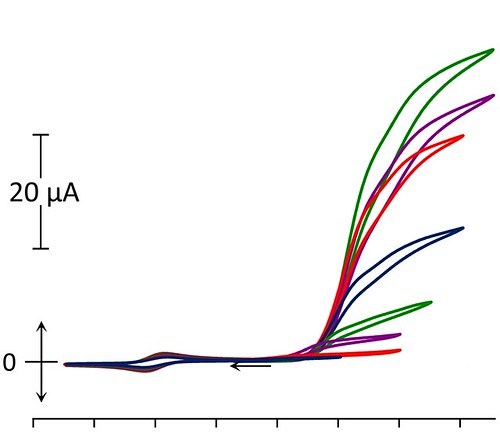
The design of a nature-inspired material that can make energy-storing hydrogen gas has gone holistic. Usually, tweaking the design of this particular catalyst — a work in progress for cheaper, better fuel cells — results in either faster or more energy efficient production but not both. Now, researchers have found a condition that creates hydrogen faster without a loss in efficiency.

And, holistically, it requires the entire system — the hydrogen-producing catalyst and the liquid environment in which it works — to overcome the speed-efficiency tradeoff. The results, published online June 8 in the Proceedings of the National Academy of Sciences, provide insights into making better materials for energy production.

"Our work shows that the liquid medium can improve the catalyst's performance," said chemist John Roberts of the Center for Molecular Electrocatalysis at the Department of Energy's Pacific Northwest National Laboratory. "It's an important step in the transformation of laboratory results into useable technology."

The results also provide molecular details into how the catalytic material converts electrical energy into the chemical bonds between hydrogen atoms. This information will help the researchers build better catalysts, ones that are both fast and efficient, and made with the common metal nickel instead of expensive platinum.

A Solution Solution

The work explores a type of dissolvable nickel-based catalyst, which is a material that eggs on chemical reactions. Catalysts that dissolve are easier to study than fixed catalysts, but fixed catalysts are needed for most real-world applications, such as a car's pollution-busting catalytic converter. Studying the catalyst comes first, affixing to a surface comes later.

In their search for a better catalyst to produce hydrogen to feed into fuel cells, the team of PNNL chemists modeled this dissolvable catalyst after a protein called a hydrogenase. Such a protein helps tie two hydrogen atoms together with electrons, storing energy in their chemical bond in the process. They modeled the catalytic center after the protein's important parts and built a chemical scaffold around it.

In previous versions, the catalyst was either efficient but slow, making about a thousand hydrogen molecules per second; or inefficient yet fast — clocking in at 100,000 molecules per second. (Efficiency is based on how much electricity the catalyst requires.) The previous work didn't get around this pesky relation between speed and efficiency in the catalysts — it seemed they could have one but not the other.

Hoping to uncouple the two, Roberts and colleagues put the slow catalyst in a medium called an acidic ionic liquid. Ionic liquids are liquid salts and contain molecules or atoms with negative or positive charges mixed together. They are sometimes used in batteries to allow for electrical current between the positive and negative electrodes.

The researchers mixed the catalyst, the ionic liquid, and a drop of water. The catalyst, with the help of the ionic liquid and an electrical current, produced hydrogen molecules, stuffing some of the electrons coming in from the current into the hydrogen's chemical bonds, as expected.

As they continued to add more water, they expected the catalyst to speed up briefly then slow down, as the slow catalyst in their previous solvent did. But that's not what they saw.

"The catalyst lights up like a rocket when you start adding water," said Roberts.

The rate continued to increase as they added more and more water. With the largest amount of water they tested, the catalyst produced up to 53,000 hydrogen molecules per second, almost as fast as their fast and inefficient version.

Importantly, the speedy catalyst stayed just as efficient when it was cranking out hydrogen as when it produced the gas more slowly. Being able to separate the speed from the efficiency means the team might be able to improve both aspects of the catalyst.

Liquid Protein

The team also wanted to understand how the catalyst worked in its liquid salt environment. The speed of hydrogen production suggested that the catalyst moved electrons around fast. But something also had to be moving protons around fast, because protons are the positively charged hydrogen ions that electrons follow around. Just like on an assembly line, protons move through the catalyst or a protein such as hydrogenase, pick up electrons, form bonds between pairs to make hydrogen, then fall off the catalyst.

Additional tests hinted how this catalyst-ionic liquid set-up works. Roberts suspects the water and the ionic liquid collaborated to mimic parts of the natural hydrogenase protein that shuffled protons through. In these proteins, the chemical scaffold holding the catalytic center also contributes to fast proton movement. The ionic liquid-water mixture may be doing the same thing.

Next, the team will explore the hints they gathered about why the catalyst works so fast in this mixture. They will also need to attach it to a surface. Lastly, this catalyst produces hydrogen gas. To create a fuel technology that converts electrical energy to chemical bonds and back again, they also plan to examine ionic liquids that will help a catalyst take the hydrogen molecule apart.


This graphic roostertail illustrates how the catalyst picks up speed as water is added to the ionic liquid (more water equals taller, faster current)

Source:  Pacific Northwest National Laboratory


Additional Information:

 

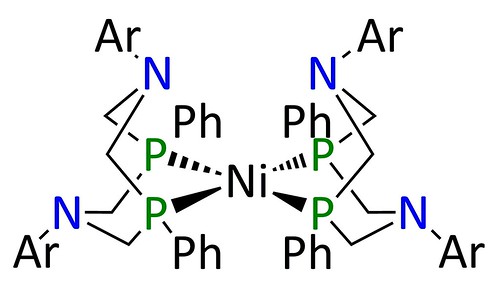
  • Reference: Douglas H. Pool, Michael P. Stewart, Molly O'Hagan, Wendy J. Shaw, John A. S. Roberts, R. Morris Bullock, and Daniel L. DuBois, 2012. An Acidic Ionic Liquid/Water Solution as Both Medium and Proton Source for Electrocatalytic H2 Evolution by [Ni(P2N2)2]2+ Complexes, Proc Natl Acad Sci U S A Early Edition online the week of June 8, DOI 10.1073/pnas.1120208109. (http://www.pnas.org/content/early/2012/06/07/1120208109)

Saturday, 9 June 2012

A solar sandwich to power future buildings

Engineerblogger
June 9, 2012


© Silly Little Man / Flickr under creative commons license

All in one: A new electricity generating building component is being developed at EPFL

Most modern buildings are composed of several layers of materials, each with its own important function: the concrete core supports its weight; the insulation regulates its heat exchange; the facade contributes to its aesthetics. Now, engineers at EPFL are developing a single building block that does all of that, and produces electricity. This new component will provide a sleek alternative to traditional construction materials, and will be lighter, safer, and more energy efficient.

“We use a composite sandwich construction to make this multi-functional building element,” explains Thomas Keller of the Composite Construction Laboratory (CCLab). The sandwich comprises a dense foam interior encased between layers of glass-fibre reinforced polymer. “We started working on these composite materials over 10 years ago and used them in 2009 for the roof of the Main Entrance Building at the Novartis Campus in Basel, Switzerland,” he says.

That was before trying to add electricity generation to the mix. “Now our goal is to encapsulate a thin flexible sheet of photovoltaic cells beneath a translucent layer of glass fiber reinforced polymer,” he continues. If they succeed, this material could contribute to making solar panels more attractive to architects by offering them more flexibility than traditional construction materials based on reinforced concrete, rigid solar panels, and glass.

The solar cell technology comes from Flexcell, an EPFL startup that became famous for its flexible sheets of photovoltaic cells, as thin as a sheet of paper. Despite lower efficiencies than conventional photovoltaic cells, their light weight, small volume, and low production costs make them ideal for encapsulation into building elements. And the ease of fitting curved surfaces with them will open new avenues in sustainable architectural design.

On top of that there are the other, already demonstrated advantages of these lightweight sandwich components. Prefabrication means that they can be assembled in a factory under ideal conditions before being transported to the construction site, increasing the quality and the safety of the buildings and shortening construction times. And since they are modular, individual elements are easy to repair or to replace if they fail.

Perfecting the ingredients

The glass fiber reinforced polymer (GFRP) plays a double role in this sandwich. A layer of GFRP a few millimeters thick encases the foam core, giving the building block its remarkable stability. Another layer of it encapsulates and protects the solar cells, drawing on an interesting optical property of the GFRP: when applied thinly, it is almost as transparent as glass, with an optical transmittance only four percent lower. Currently, a PhD student at the CCLab is perfecting this layer’s thickness to find the best compromise between structural stability and optical translucence.

“Besides the optical issues,” says Keller, “we are dealing with temperature related issues. Heating the resin leads to a loss of efficiency in light transmission. Beyond a certain critical temperature, the material could degrade and fail to recover its original state when it cools down.” But so far it has withstood temperatures beyond those expected even in the hotter parts of the world, without showing signs of degradation.

Not yet two years in to the project, the scientists involved are optimistic. Solar electricity generation is here to stay, and considering the widespread use of curved concrete surfaces in contemporary architecture, there could be great potential for this new solar sandwich.

Source:  Ecole Polytechnique Federale de Lausanne

Related Links:

Researchers demonstrated best performance reported for fuel cells operating directly on ethanol

Engineerblogger
June 9, 2012


SEM Micrographs of Cu/CeO2 Impregnated Ni/YSZ Anode Outer Layer

Dr. Nguyen Minh of CER and his postdoctoral scholar Dr. Eric Armstrong (now with Intel) and undergraduate student intern Jae-Woo Park - recently demonstrated the best performance for solid oxide fuel cells (SOFCs) operating directly on ethanol without external reformation. A peak power density of more than 400 mW/cm2 was achieved at 800°C with air and a fuel containing 7.3 volume % ethanol. This power density is about four times higher than any other SOFC reported in the literature operating directly on ethanol at 20 volume % or lower at the same temperature

The SOFC is an all-solid-state fuel cell consisting of an ionic conducting oxide electrolyte sandwiched between two electrodes, the cathode or oxygen electrode where oxygen (from air) is reduced and the anode or fuel electrode where hydrogen (from the fuel) is oxidized. This type of fuel cell operates in the temperature range of 600°-1000°C. At present, the most common SOFC materials are yttria stabilized zirconia (YSZ) (an oxygen ion conductor) for the electrolyte, strontium-doped lanthanum manganite perovskite oxide (LSM) for the cathode and nickel/YSZ composite for the anode. The attractive feature of the SOFC is its clean and efficient generation of electricity from a variety of fuels. Suitable fuels for the SOFC include hydrogen, natural gas, biogas, propane, gasoline, diesel, coal gas, and other practical fuels. The SOFC has been considered and developed for a broad spectrum of power generation applications, ranging from watt-size portable devices to multi-megawatt baseload power plants. In addition, the operation of the SOFC is reversible, i.e. the fuel cell can operate in reverse or electrolysis mode when integrated with an energy source. Thus, the SOFC can be used as an electrolysis cell to produce hydrogen from water or syngas (mixtures of hydrogen and carbon monoxide) from mixtures of water and carbon dioxide. A SOFC can operate efficiently in both operating modes is referred to as a reversible SOFC.

The SOFC has been shown to be capable of directly utilizing hydrocarbons and other fuels such as alcohols without external reformation. SOFC power systems based on direct utilization do not require an external reformer, thus simplifying the system, resulting in higher system efficiencies and reduced costs. Nickel in the anode, although an excellent catalyst for hydrogen oxidation, tends to promote coking. Therefore, for direct utilization of carbon-containing fuels, copper/ceria (Cu/CeO2) composites have been proposed and investigated. The copper/ceria composite is resistant to coking; however, its catalytic activity for hydrogen oxidation is much lower than that of Ni/YSZ. Thus, direct utilization of non-hydrogen fuels on copper/ceria often results in poor electrochemical performance. The approach at CER to address the electrochemical performance and coking issues to demonstrate the feasibility of direct utilization SOFCs (referred to as direct SOFCs) is to engineer the anode structure into a dual (bifunctional bilayer) anode. The engineered anode structure is composed of a Ni/YSZ support outer layer impregnated with Cu/ceria nanoparticles (see scanning electron microscopy or SEM photographs) to promote reformation and minimize coking and a thinner Ni-YSZ electroactive interlayer (next to the electrolyte) to maintain high electrochemical performance. The fabrication of SOFC cells incorporating this anode structure was straightforward. Cells with dual anode layers were first fabricated using the conventional materials and techniques (tape casting and sintering). The outer anode layer of fabricated cells was then impregnated with an aqueous solution of copper and cerium nitrates of appropriate weight ratios, followed by high temperature (850°C) annealing to form oxide nanoparticles. (Nickel and copper were formed as oxides in this case and the oxides were reduced to metal when fuel was introduced to the anode.)

This work was performed under the program funded by the California Energy Commission. The research on direct SOFCs on ethanol and other practical fuels at CER is an element of the broader effort to develop direct and reversible SOFCs (DR-SOFCs). The DR-SOFC potentially can serve as a basis for future energy systems as the technology has the desired characteristics of compatibility (compatible with the environment to support constraints on carbon dioxide and other emissions), flexibility (fuel flexible and flexible in using energy resources), capability (useful for different functions), adaptability (in meeting local energy needs, suitable for a variety of applications) and affordability (competitive in costs) (see the figure on characteristics of future energy systems).


Desired Characteristics of Future Energy Systems

Source:  University of California - San Diego