Blogger Themes

Showing posts with label Research and Development. Show all posts

Friday, 15 February 2013

New carbon films improve prospects of solar energy devices

Engineerblogger
Feb 15, 2013
Abstract Image
New research by Yale University scientists helps pave the way for the next generation of solar cells, a renewable energy technology that directly converts solar energy into electricity. (Illustration by the researchers)
 
New research by Yale University scientists helps pave the way for the next generation of solar cells, a renewable energy technology that directly converts solar energy into electricity.

In a pair of recent papers, Yale engineers report a novel and cost-effective way to improve the efficiency of crystalline silicon solar cells through the application of thin, smooth carbon nanotube films. These films could be used to produce hybrid carbon/silicon solar cells with far greater power-conversion efficiency than reported in this system to date.

“Our approach bridges the cost-effectiveness and excellent electrical and optical properties of novel nanomaterials with well-established, high efficiency silicon solar cell technologies,” said André D. Taylor, assistant professor of chemical and environmental engineering at Yale and a principal investigator of the research.

The researchers reported their work in two papers published in December, one in the journal Energy and Environmental Science and one in Nano Letters (Record High Efficiency Single-Walled Carbon Nanotube/Silicon p–n Junction Solar Cells). Mark A. Reed, a professor of electrical engineering and applied physics at Yale, is also a principal investigator.

Silicon, an abundant element, is an ideal material for solar cells because its optical properties make it an intrinsically efficient energy converter. But the high cost of processing single-crystalline silicon at necessarily high temperatures has hindered widespread commercialization.

Organic solar cells — an existing alternative to high-cost crystalline silicon solar cells — allow for simpler, room-temperature processing and lower costs, researchers said, but they have low power-conversion efficiency.

Instead of using only organic substitutes, the Yale team applied thin, smooth carbon nanotube films with superior conductance and optical properties to the surface of single crystalline silicon to create a hybrid solar cell architecture. To do it, they developed a method called superacid sliding.

As reported in the papers, the approach allows them to take advantage of the desirable photovoltaic properties of single-crystalline silicon through a simpler, low-temperature, lower-cost process. It allows for both high light absorption and high electrical conductivity.

“This is striking, as it suggests that the superior photovoltaic properties of single-crystalline silicon can be realized by a simple, low-temperature process,” said Xiaokai Li, a doctoral student in Taylor’s lab and a lead author on both papers. “The secret lies in the arrangement and assembly of these carbon nanotube thin films,”

In previous work, Yale scientist successfully developed a carbon nanotube composite thin film that could be used in fuel cells and lithium ion batteries. The recent research suggests how to extend the film’s application to solar cells by optimizing its smoothness and durability.

“Optimizing this interface could also serve as a platform for many next-generation solar cell devices, including carbon nanotube/polymer, carbon/polymer, and all carbon solar cells,” said Yeonwoong (Eric) Jung, a postdoctoral researcher in Reed’s lab and also a lead author of the papers.

All authors are listed on the papers (links above).

The National Science Foundation, NASA, the U.S. Department of Energy, and the Yale Institute for Nanoscience and Quantum Engineering provided support for the research.

Source: Yale University

Additional Information:

Forget about leprechauns, engineers are catching rainbows

Engineerblogger
Feb 15, 2012

An image of the “hyperbolic metamaterial waveguide,” which catches an ultimately absorbs wavelengths (or color) in a vertical direction.
An up-close look at the “hyperbolic metamaterial waveguide,” which catches and ultimately absorbs wavelengths (or color) in a vertical direction.


University at Buffalo engineers have created a more efficient way to catch rainbows, an advancement in photonics that could lead to technological breakthroughs in solar energy, stealth technology and other areas of research.

Qiaoqiang Gan, PhD, an assistant professor of electrical engineering at UB, and a team of graduate students described their work in a paper called “Rainbow Trapping in Hyperbolic Metamaterial Waveguide,” published in the online journal Scientific Reports.

They developed a “hyperbolic metamaterial waveguide,” which is essentially an advanced microchip made of alternate ultra-thin films of metal and semiconductors and/or insulators. The waveguide halts and ultimately absorbs each frequency of light, at slightly different places in a vertical direction (see the above figure), to catch a “rainbow” of wavelengths.

Gan is a researcher within UB’s new Center of Excellence in Materials Informatics.

“Electromagnetic absorbers have been studied for many years, especially for military radar systems,” Gan said. “Right now, researchers are developing compact light absorbers based on optically thick semiconductors or carbon nanotubes. However, it is still challenging to realize the perfect absorber in ultra-thin films with tunable absorption band.

“We are developing ultra-thin films that will slow the light and therefore allow much more efficient absorption, which will address the long existing challenge.”

Light is made of photons that, because they move extremely fast (i.e., at the speed of light), are difficult to tame. In their initial attempts to slow light, researchers relied upon cryogenic gases. But because cryogenic gases are very cold – roughly 240 degrees below zero Fahrenheit – they are difficult to work with outside a laboratory.

Before joining UB, Gan helped pioneer a way to slow light without cryogenic gases. He and other researchers at Lehigh University made nano-scale-sized grooves in metallic surfaces at different depths, a process that altered the optical properties of the metal. While the grooves worked, they had limitations. For example, the energy of the incident light cannot be transferred onto the metal surface efficiently, which hampered its use for practical applications, Gan said.

The hyperbolic metamaterial waveguide solves that problem because it is a large area of patterned film that can collect the incident light efficiently. It is referred to as an artificial medium with subwavelength features whose frequency surface is hyperboloid, which allows it to capture a wide range of wavelengths in different frequencies including visible, near-infrared, mid-infrared, terahertz and microwaves.

It could lead to advancements in an array of fields.

For example, in electronics there is a phenomenon known as crosstalk, in which a signal transmitted on one circuit or channel creates an undesired effect in another circuit or channel. The on-chip absorber could potentially prevent this.

The on-chip absorber may also be applied to solar panels and other energy-harvesting devices. It could be especially useful in mid-infrared spectral regions as thermal absorber for devices that recycle heat after sundown, Gan said.

Technology such as the Stealth bomber involves materials that make planes, ships and other devices invisible to radar, infrared, sonar and other detection methods. Because the on-chip absorber has the potential to absorb different wavelengths at a multitude of frequencies, it could be useful as a stealth coating material.

Additional authors of the paper include Haifeng Hu, Dengxin Ji, Xie Zeng and Kai Liu, all PhD candidates in UB’s Department of Electrical Engineering. The work was sponsored by the National Science Foundation and UB’s electrical engineering department.

Source:  University of Buffalo

Additional Information:
Related Article:

Tuesday, 12 February 2013

Stem cell breakthrough could lead to new bone repair therapies on nanoscale surfaces

Engineerblogger
Feb 12, 2013


Stem cell breakthrough could lead to new bone repair therapies


Scientists at the University of Southampton have created a new method to generate bone cells which could lead to revolutionary bone repair therapies for people with bone fractures or those who need hip replacement surgery due to osteoporosis and osteoarthritis.

The research, carried out by Dr Emmajayne Kingham at the University of Southampton in collaboration with the University of Glasgow and published in the journal Small, cultured human embryonic stem cells on to the surface of plastic materials and assessed their ability to change.

Scientists were able to use the nanotopographical patterns on the biomedical plastic to manipulate human embryonic stem cells towards bone cells. This was done without any chemical enhancement.

The materials, including the biomedical implantable material polycarbonate plastic, which is a versatile plastic used in things from bullet proof windows to CDs, offer an accessible and cheaper way of culturing human embryonic stem cells and presents new opportunities for future medical research in this area.

Professor Richard Oreffo, who led the University of Southampton team, explains: “To generate bone cells for regenerative medicine and further medical research remains a significant challenge. However we have found that by harnessing surface technologies that allow the generation and ultimately scale up of human embryonic stem cells to skeletal cells, we can aid the tissue engineering process. This is very exciting.

“Our research may offer a whole new approach to skeletal regenerative medicine. The use of nanotopographical patterns could enable new cell culture designs, new device designs, and could herald the development of new bone repair therapies as well as further human stem cell research,” Professor Oreffo adds.

The study was funded by the Biotechnology and Biological Sciences Research Council (BBSRC).

This latest discovery expands on the close collaborative work previously undertaken by the University of Southampton and the University of Glasgow. In 2011 the team successfully used plastic with embossed nanopatterns to grow and spread adult stem cells while keeping their stem cell characteristics; a process which is cheaper and easier to manufacture than previous ways of working.

Dr Nikolaj Gadegaard, Institute of Molecular, Cell and Systems Biology at the University of Glasgow, says: "Our previous collaborative research showed exciting new ways to control mesenchymal stem cell – stem cells from the bone marrow of adults – growth and differentiation on nanoscale patterns.

“This new Southampton-led discovery shows a totally different stem cell source, embryonic, also respond in a similar manner and this really starts to open this new field of discovery up. With more research impetus, it gives us the hope that we can go on to target a wider variety of degenerative conditions than we originally aspired to. This result is of fundamental significance."

Source: University of Southampton

Monday, 11 February 2013

Humans and robots work better together following cross-training

Engineerblogger
Feb 11, 2013


Julie Shah, assistant professor of aeronautics and astronautics and head of the Interactive Robotics Group at MIT

Spending a day in someone else’s shoes can help us to learn what makes them tick. Now the same approach is being used to develop a better understanding between humans and robots, to enable them to work together as a team.

Robots are increasingly being used in the manufacturing industry to perform tasks that bring them into closer contact with humans. But while a great deal of work is being done to ensure robots and humans can operate safely side-by-side, more effort is needed to make robots smart enough to work effectively with people, says Julie Shah, an assistant professor of aeronautics and astronautics at MIT and head of the Interactive Robotics Group in the Computer Science and Artificial Intelligence Laboratory (CSAIL).

“People aren’t robots, they don’t do things the same way every single time,” Shah says. “And so there is a mismatch between the way we program robots to perform tasks in exactly the same way each time and what we need them to do if they are going to work in concert with people.”

Most existing research into making robots better team players is based on the concept of interactive reward, in which a human trainer gives a positive or negative response each time a robot performs a task.

However, human studies carried out by the military have shown that simply telling people they have done well or badly at a task is a very inefficient method of encouraging them to work well as a team.

So Shah and PhD student Stefanos Nikolaidis began to investigate whether techniques that have been shown to work well in training people could also be applied to mixed teams of humans and robots. One such technique, known as cross-training, sees team members swap roles with each other on given days. “This allows people to form a better idea of how their role affects their partner and how their partner’s role affects them,” Shah says.

In a paper to be presented at the International Conference on Human-Robot Interaction in Tokyo in March, Shah and Nikolaidis will present the results of experiments they carried out with a mixed group of humans and robots, demonstrating that cross-training is an extremely effective team-building tool.

To allow robots to take part in the cross-training experiments, the pair first had to design a new algorithm to allow the devices to learn from their role-swapping experiences. So they modified existing reinforcement-learning algorithms to allow the robots to take in not only information from positive and negative rewards, but also information gained through demonstration. In this way, by watching their human counterparts switch roles to carry out their work, the robots were able to learn how the humans wanted them to perform the same task.

Each human-robot team then carried out a simulated task in a virtual environment, with half of the teams using the conventional interactive reward approach, and half using the cross-training technique of switching roles halfway through the session. Once the teams had completed this virtual training session, they were asked to carry out the task in the real world, but this time sticking to their own designated roles.

Shah and Nikolaidis found that the period in which human and robot were working at the same time — known as concurrent motion — increased by 71 percent in teams that had taken part in cross-training, compared to the interactive reward teams. They also found that the amount of time the humans spent doing nothing — while waiting for the robot to complete a stage of the task, for example — decreased by 41 percent.

What’s more, when the pair studied the robots themselves, they found that the learning algorithms recorded a much lower level of uncertainty about what their human teammate was likely to do next — a measure known as the entropy level — if they had been through cross-training.

Finally, when responding to a questionnaire after the experiment, human participants in cross-training were far more likely to say the robot had carried out the task according to their preferences than those in the reward-only group, and reported greater levels of trust in their robotic teammate. “This is the first evidence that human-robot teamwork is improved when a human and robot train together by switching roles, in a manner similar to effective human team training practices,” Nikolaidis says.

Shah believes this improvement in team performance could be due to the greater involvement of both parties in the cross-training process. “When the person trains the robot through reward it is one-way: The person says ‘good robot’ or the person says ‘bad robot,’ and it’s a very one-way passage of information,” Shah says. “But when you switch roles the person is better able to adapt to the robot’s capabilities and learn what it is likely to do, and so we think that it is adaptation on the person’s side that results in a better team performance.”

The work shows that strategies that are successful in improving interaction among humans can often do the same for humans and robots, says Kerstin Dautenhahn, a professor of artificial intelligence at the University of Hertfordshire in the U.K. “People easily attribute human characteristics to a robot and treat it socially, so it is not entirely surprising that this transfer from the human-human domain to the human-robot domain not only made the teamwork more efficient, but also enhanced the experience for the participants, in terms of trusting the robot,” Dautenhahn says.

Source: MIT

Additional Information:

Implants make light work of fixing broken bones

Engineerblogger
Feb 11, 2013

Richard Oreffo


Artificial bone, created using stem cells and a new lightweight plastic, could soon be used to heal shattered limbs.

The use of bone stem cells combined with a degradable rigid material that inserts into broken bones and encourages real bone to re-grow has been developed at the Universities of Edinburgh and Southampton.

Researchers have developed the material with a honeycomb scaffold structure that allows blood to flow through it, enabling stem cells from the patient’s bone marrow to attach to the material and grow new bone. Over time, the plastic slowly degrades as the implant is replaced by newly grown bone.

Scientists developed the material by blending three types of plastics. They used a pioneering technique to blend and test hundreds of combinations of plastics, to identify a blend that was robust, lightweight, and able to support bone stem cells. Successful results have been shown in the lab and in animal testing with the focus now moving towards human clinical evaluation.

The study, published in the journal Advanced Functional Materials, was funded by the Biotechnology and Biological Sciences Research Council.

This new discovery is the result of a seven-year partnership between the University of Southampton and the University of Edinburgh.

Richard Oreffo, Professor of Musculoskeletal Science at the University of Southampton, comments: "Fractures and bone loss due to trauma or disease are a significant clinical and socioeconomic problem. This collaboration between chemistry and medicine has identified unique candidate materials that support human bone stem cell growth and allow bone formation. Our collaborative strategy offers significant therapeutic implications."

Professor Mark Bradley, of the University of Edinburgh’s School of Chemistry, adds: “We were able to make and look at a hundreds of candidate materials and rapidly whittle these down to one which is strong enough to replace bone and is also a suitable surface upon which to grow new bone.

“We are confident that this material could soon be helping to improve the quality of life for patients with severe bone injuries, and will help maintain the health of an ageing population.”

Source:  University of Southampton

Wednesday, 16 January 2013

Engineer making rechargeable batteries with layered nanomaterials

Engineerblogger
Jan 16, 2013

We study the process of graphene growth on Cu and Ni substrates subjected to rapid heating (approximately 8 °C/s) and cooling cycles (approximately 10 °C/s) in a modified atmospheric pressure chemical vapor deposition furnace. Electron microscopy followed by Raman spectroscopy demonstrated successful synthesis of large-area few-layer graphene (FLG) films on both Cu and Ni substrates. The overall synthesis time was less than 30 min. Further, the as-synthesized films were directly utilized as anode material and their electrochemical behavior was studied in a lithium half-cell configuration. FLG on Cu (Cu-G) showed reduced lithium-intercalation capacity when compared with SLG, BLG and Bare-Cu suggesting its substrate protective nature (barrier to Li-ions). Although graphene films on Ni (Ni-G) showed better Li-cycling ability similar to that of other carbons suggesting that the presence of graphene edge planes (typical of Ni-G) is important in effective uptake and release of Li-ions in these materials.  Source: ACS


A Kansas State University researcher is developing more efficient ways to save costs, time and energy when creating nanomaterials and lithium-ion batteries.

Gurpreet Singh, assistant professor of mechanical and nuclear engineering, and his research team have published two recent articles on newer, cheaper and faster methods for creating nanomaterials that can be used for lithium-ion batteries. In the past year, Singh has published eight articles -- five of which involve lithium-ion battery research.

"We are exploring new methods for quick and cost-effective synthesis of two-dimensional materials for rechargeable battery applications," Singh said. "We are interested in this research because understanding lithium interaction with single-, double- and multiple-layer-thick materials will eventually allow us to design battery electrodes for practical applications. This includes batteries that show improved capacity, efficiency and longer life."

For the latest research, Singh's team created graphene films that are between two and 10 layers thick. Graphene is an atom-thick sheet of carbon. The researchers grew the graphene films on copper and nickel foils by quickly heating them in a furnace in the presence of controlled amounts of argon, hydrogen and methane gases. The team has been able to create these films in less than 30 minutes. Their work appears in the January issue of ACS-Applied Materials and Interfaces in an article titled "Synthesis of graphene films by rapid heating and quenching at ambient pressures and their electrochemical characterization."

The research is significant because the researchers created these graphene sheets by quickly heating and cooling the copper and nickel substrates at atmospheric pressures, meaning that scientists no longer need a vacuum to create few-layer-thick graphene films and can save energy, time and cost, Singh said.

The researchers used these graphene films to create the negative electrode of a lithium-ion cell and then studied the charge and discharge characteristics of this rechargeable battery. They found the graphene films grown on copper did not cycle the lithium ions and the battery capacity was negligible. But graphene grown on nickel showed improved performance because it was able to store and release lithium ions more efficiently.

"We believe that this behavior occurs because sheets of graphene on nickel are relatively thick near the grain boundaries and stacked in a well-defined manner -- called Bernal Stacking -- which provides multiple sites for easy uptake and release of lithium ions as the battery is discharged and charged," Singh said.

In a second research project, the researchers created tungsten disulfide nanosheets that were approximately 10 layers thick. Starting with bulk tungsten disulfide powder -- which is a type of dry lubricant used in the automotive industry -- the team was able to separate atomic layer thick sheets of tungsten disulfide in a strong acid solution. This simple method made it possible to produce sheets in large quantities. Much like graphene, tungsten disulfide also has a layered atomic structure, but the individual layers are three atoms thick.

The researchers found that these acid-treated tungsten disulfide sheets could also store and release lithium ions but in a different way. The lithium is stored through a conversion reaction in which tungsten disulfide dissociates to form tungsten and lithium sulfide as the cell is discharged. Unlike graphene, this reaction involves the transfer of at least two electrons per tungsten atom. This is important because researchers have long disregarded such compounds as battery anodes because of the difficulty associated with adding lithium to these materials, Singh said. It is only recently that the conversion reaction-based battery anodes have gained popularity.

"We also realize that tungsten disulfideis a heavy compound compared to state-of-the-art graphite used in current lithium-ion batteries," Singh said. "Therefore tungsten disulfide may not be an ideal electrode material for portable batteries."

The research appeared in a recent issue of the Journal of Physical Chemistry Letters in an article titled "Synthesis of surface-functionalized WS2 nanosheets and performance as Li-ion battery anodes."

Both projects are important because they can help scientists create nanomaterials in a cost-effective way. While many studies have focused on making graphene using low-pressure chemical processes, little research has been tried using rapid heating and cooling at atmospheric pressures, Singh said. Similarly, large quantities of single-layer and multiple-layer thick sheets of tungsten disulfide are needed for other applications.

"Interestingly, for most applications that involve this kind of battery research and corrosion prevention, films that are a few atoms thick are usually sufficient," Singh said. "Very high quality large area single-atom-thick films are not a necessity."

Other Kansas State University researchers involved in the projects include Romil Bhandavat and Lamuel David, both doctoral students in mechanical engineering, India, and Saksham Pahwa, a visiting undergraduate student, India. The graphene research involved University of Michigan researchers, including Zhaohui Zhong, assistant professor of electrical engineering and computer science, andGirish Kulkarni, doctoral candidate in electrical engineering.

Singh's work has been supported by the National Institute of Standards and Technology and the Kansas National Science Foundation Experimental Program to Stimulate Competitive Research program.

Singh plans future research to study how these layered nanomaterials can create better electrodes in the form of heterostructures, which are essentially three-dimensional stacked structures involving alternating layers of graphene and tungsten or molybdenum disulfide.

Source:  Kansas State University

Additional Information:

Saturday, 12 January 2013

Smarter infrastructure: Converting vibrations into electricity

Engineerblogger
Jan 12, 2013

Tunnel
Credit: stopthegears, via Flickr creative commons


A team from the Centre for Smart Infrastructure and Construction have developed a mechanical amplifier to convert ambient vibrations into electricity more effectively, which could be used to power wireless sensors for monitoring the structural health of roads, bridges and tunnels.

Undetected structural problems in aging infrastructure can be disastrous, such as the recent incident in the busy Sasago tunnel west of Tokyo. Nine people were killed when huge chunks of concrete began to fall from the roof of the tunnel, starting a fire and trapping people in their vehicles. Thankfully, such incidents are rare, but the ability to determine when structural problems may become a threat to public safety is a major priority for government and industry.

The Centre for Smart Infrastructure and Construction (CSIC) was established in 2011 to develop and commercialise new technologies designed to make smart infrastructure possible, primarily through the development of new sensor and data management technologies, which will enable continuous monitoring of our roads, tunnels and bridges.

A new device designed by researchers in the CSIC could allow this type of observations by converting the vibration experienced by structures into electricity, in order to power small remote monitoring devices in locations where access is limited, such as inside a tunnel or underneath a bridge.

“Wireless sensors are one way to better look after infrastructure, and it’s something that industry is interested in doing, but batteries are always the sticking point,” says Professor Kenichi Soga, who designed the device with Dr Ashwin Seshia and Yu Jia, a PhD student in Dr Seshia’s group. “It’s not the cost of the batteries that is the issue; it’s the cost of human power to replace the batteries.”

Since the devices are self-powered, there is no need to have individuals change the batteries on a regular basis, thereby decreasing cost to industry while enabling continuous remote monitoring in order to detect problems at an early stage.

Self-powered battery-less devices are not an entirely new concept: other energy harvesting principles are used to power digital wristwatches and handheld torches. Existing devices based on vibrational energy harvesting suffer from two key technical limitations, however: low output power density, and the mismatch between the narrow operational frequency bandwidth of conventional energy harvesters and the wideband nature of vibrations experienced by bridges, tunnels and roads.

The device developed by the CSIC team addresses these issues by basing their harvester on a phenomenon known as parametric resonance. The energy harvesting device can be realised as a micro-electromechanical system (MEMS) device, consisting of a micro-cantilever structure and a transducer. When force is applied to the cantilever perpendicular to the length instead of transversely, parametric resonance can be achieved, generating more energy from the same amount of vibration.

The MEMS device provides the added advantage of using batch manufacturing principles common to the semiconductor industry, potentially enabling low-cost battery replacement, large-scale volume production and co-integration with sensors and interface electronics to realise truly autonomous smart sensor nodes: a challenge that the CSIC team are seeking to address in the context of developing innovative monitoring technologies for large-scale built infrastructure.

Prototype versions of MEMS and macro-scale devices based on these principles have demonstrated a significantly improved power output and a wider operational bandwidth relative to current state-of-the-art devices. Preliminary results on a MEMS prototype were presented at the PowerMEMS conference in Atlanta in December. The device is being commercialised by Cambridge Enterprise, the University’s technology transfer office.

In addition to applications in the construction industry, the device also has potential applications such as powering wearable medical devices or extending the life of batteries in mobile phones.

CSIC was established in 2011, and brings together researchers from the Department of Engineering, along with colleagues from the Department of Architecture, the Computer Laboratory, the Judge Business School and Cambridge Enterprise.

Source: University of Cambridge

Good vibrations: Scientists recently developed a new microvibration excitation device

Engineerblogger
Jan 12, 2013


NPL scientists recently developed a new microvibration excitation device, which is currently under test at the European Space Agency (ESA) space test centre at ESTEC in Noordwijk, Holland.


The NPL excitation unit mounted on the ESA
Reaction Wheel Characterization Facility
 
The 'little shaker' device was produced as part of a technology research project for ESA to develop a prototype universal reference excitation unit which can be used to validate the performance of all kind of microvibration test facilities, traceable to ISO17025 levels of confidence and which can be deployed to perform inter facility comparison measurements.

The device is about the size of a shoe-box and generates small forces and torques (µN/µNm to single digit N/Nm range) at relatively low frequency (0.05 Hz to 10 Hz) in a controlled manner via reaction force against a moving mass. It can create force and torque along or about a single axis, and be repositioned in any orientation, to allow six-degree-of-freedom forces to be generated. The device is unique because there are currently no comparable means of producing highly repeatable forces and torques of this low magnitude in such a small, compact and portable mechanism.

Testing at the ESTEC space test center involved placing the device on Reaction Wheel Characterization Facility platform, activating it to create sinusoidal forces and moments in various orientations, and comparing the generated forces with those measured by the ESTEC facility.

Preliminary results are excellent and ESA now has a prototype device it can take to other facilities that will produce an identical drive signal, to allow comparisons of measurement results between facilities.

NPL was a natural partner for ESA on this project due to previous successful collaborations with challenging micro-thrust measurements. Additionally, NPL's role as the UK's National Measurement Institute provides confidence and experience in measurements traceable to primary standards and will be critical in allowing ESA to accredit their microvibration facility to the ISO 17025 standard in the future.

Source: NPL

Additional Information:

Saturday, 5 January 2013

Building a better machine: Students use creativity to improve the heat engine

Engineerblogger
Jan 4, 2012


When Roman Berens signed up for the “Physics and Applied Physics Research Freshman” Seminar, he wasn’t sure what to expect.

“Initially, I really had no idea what it was about,” he said. “But I’m majoring in physics, so I thought having lab experience would be really valuable.”

Berens and other freshmen in the seminar discussed their research at a presentation at the Rowland Institute on Dec. 12. Using a handmade, laboratory-scale, Sterling heat engine, the team of students was able to generate enough electricity to power several light-emitting diodes, or LEDs, and a laptop computer.

“I’m amazed and invigorated by what our freshmen are capable of,” said Jene Golovchenko, Rumford Professor of Physics and Gordon McKay Professor of Applied Physics, and professor to the freshman seminar. “This year’s class has a wonderful collection of students who were admitted by interview to assure they were ready to take advantage of the high level of support provided them by the Rowland Institute. They are all prime candidates to concentrate in either in physics or SEAS,” the School of Engineering and Applied Sciences.

The seminar challenged students to study and improve upon the Sterling heat engine constructed by last year’s seminar students. Participants were tasked to improve on the existing model, turning it into a scientific instrument — embodying the laws of classical mechanics and thermodynamics.
To read more click here...

How a computer game could radically alter manufacturing

Engineerblogger
Jan 4, 2013


Here at The Engineer we’re used to explaining difficult concepts, whether it’s nuclear fusion or spintronics (actually I’m still not sure about that one). It helps that we have a receptive and enthusiastic audience and are tackling subject material that is usually instantly exciting.

But what if you had to explain something with less obvious appeal to people who think you might be wasting their time, for example, a complex new manufacturing business model to a group of sceptical bean counters? It’s probably not a conversation you’d want to have at a dinner party.

The answer to this might be to make the explanation into a game, according to one research group at least. Make the process fun, entertaining and engaging, and the audience might be more likely to understand and remember the concept, and perhaps even become more enthusiastic about it.

A team led by Aston University Business School are about to do just this by starting a five-year research project on the gamification of explaining servitisation. Now comes the bit where I explain what this boring and complicated-sounding concept actually is.

A product service system (PSS) is a business model where a firm offers both products and services. Rolls-Royce, for example, is well known for earning around 50 per cent of its revenue through service and support contracts, providing things such as maintenance and advice to customers that also buy its goods. Simply put, servitisation is when a straightforward manufacturing company adopts this model.

Particularly in developed marketplaces and economies, servitisation offers companies a chance to make more money than they would simply by selling products and competing against other manufacturers. Described like this, it sounds rather simple and very attractive. But making it a reality is a far more complex procedure with many barriers, and so servitisation of manufacturing firms has been slow.

Prof Tim Baines of Aston University argues that one of the biggest barriers to adoption of PSS is just explaining how the process of servitisation works. ‘To try to get those ideas across to someone in a manufacturing company in five or 10 minutes in a way that makes sense to them is quite challenging,’ he says.

This is where he believes gamification could come in. This is another slightly off-putting piece of jargon that basically means turning a process into a game. It’s not a new concept but has found growing popularity in recent years thanks to the growth of the internet and smartphones. There are any number of websites and apps that encourage you to do something by making it a game and rewarding you in some for participation.

For example, if you want to get fit but struggle to find the motivation, an app on your phone can monitor your progress to give you encouragement, telling you how many calories you’ve burnt or giving you badges for completing certain levels. One app even asks you to image you’re being chased by zombies and the only way to escape them is to run to a certain place.

But how will this work for explaining servitisation? Baines is planning to work with the Serious Games Institute at Coventry University and Sheffield’s Advanced Manufacturing Research Centre to create a computer simulation of a business adopting PSS. Companies, including Ford and Xerox, will then be brought in to test the game. ‘One of the big barriers is understanding, getting across the basic ideas and the language used, an appreciation of what it can actually mean,’ says Baines.

‘We’ll create a demonstration first of all so that we can communicate to the gaming community what we’re trying to do. The big hurdle is translating between these two communities, explaining to the gaming community what it is that we’re trying to model and them explaining to us what makes an engaging game. We’ve got to try to find the middle ground and from that we’ll create the basics of the game.’

It would be easy to write this concept of gamification off as a fad or a buzzword. For one thing, it doesn’t sound like the most fun idea for a game but, then again, there have been whole series of popular computer games designed around simulating real-life industries (Sim City, for example). And this won’t be the first time games are used to explain manufacturing concepts. Team games have been used before to demonstrate and introduce Western manufacturers to the Japanese-originated ideas of lean manufacturing.

Perhaps it will take more than a computer game to persuade companies to adopt dramatically different business models, but Baines hopes the game will do more than just change individual’s minds. ‘I would like it to be something quite pervasive that people inside the organisation become aware of and have a go at it, and for the top managers to hear about it not just from academics but also from people within the organisation who get to know about this thing called servitisation from playing the game.’

The game will also serve as a way for academics to further study servitisation so they can better understand the barriers to adopting PSS when it is attempted by real companies.

With gamification spreading even into business management techniques, it’s interesting to consider how else it could be used in manufacturing or other parts of the economy. Perhaps games could become a more common sight at work, motivating people to complete tasks or reach certain levels of achievement. On the other hand, you could argue we already run such a reward system. It’s called getting paid.

Source: The Engineer

Jumping droplets help heat transfer

Engineerblogger
Jan 4, 2013


Many industrial plants depend on water vapor condensing on metal plates: In power plants, the resulting water is then returned to a boiler to be vaporized again; in desalination plants, it yields a supply of clean water. The efficiency of such plants depends crucially on how easily droplets of water can form on these metal plates, or condensers, and how easily they fall away, leaving room for more droplets to form.

The key to improving the efficiency of such plants is to increase the condensers’ heat-transfer coefficient — a measure of how readily heat can be transferred away from those surfaces, explains Nenad Miljkovic, a doctoral student in mechanical engineering at MIT. As part of his thesis research, he and colleagues have done just that: designing, making and testing a coated surface with nanostructured patterns that greatly increase the heat-transfer coefficient.

The results of that work have been published in the journal Nano Letters, in a paper co-authored by Miljkovic, mechanical engineering associate professor Evelyn Wang, and five other researchers from the Device Research Lab (DRL) in MIT’s mechanical engineering department.

On a typical, flat-plate condenser, water vapor condenses to form a liquid film on the surface, drastically reducing the condenser’s ability to collect more water until gravity drains the film. “It acts as a barrier to heat transfer,” Miljkovic says. He and other researchers have focused on ways of encouraging water to bead up into droplets that then fall away from the surface, allowing more rapid water removal.

“The way to remove the thermal barrier is to remove [the droplets] as quickly as possible,” he says. Many researchers have studied ways of doing this by creating hydrophobic surfaces, either through chemical treatment or through surface patterning. But Miljkovic and his colleagues have now taken this a step further by making scalable surfaces with nanoscale features that barely touch the droplets.

The result: Droplets don’t just fall from the surface, but actually jump away from it, increasing the efficiency of the process. The energy released as tiny droplets merge to form larger ones is enough to propel the droplets upward from the surface, meaning the removal of droplets doesn’t depend solely on gravity.


Jumping-droplet superhydrophobic condensation shown on a nanostructured CuO tube.
Image courtesy of the researchers


 Other researchers have worked on nanopatterned surfaces to induce such jumping, but these have tended to be complex and expensive to manufacture, usually requiring a clean-room environment. Those approaches also require flat surfaces, not the tubing or other shapes often used in condensers. Finally, prior research has not tested the enhanced heat transfer predicted for these types of surfaces.

In a paper published early in 2012, the MIT researchers showed that droplet shape is important to enhanced heat transfer. “Now, we’ve gone a step further,” Miljkovic says, “developing a surface that favors these kinds of droplets, while being highly scalable and easy to manufacture. Furthermore, we’ve actually been able to experimentally measure the heat-transfer enhancement.”

The patterning is done, Miljkovic says, using a simple wet-oxidation process right on the surface that can be applied to the copper tubes and plates commonly used in commercial power plants.

The nanostructured pattern itself is made of copper oxide and actually forms on top of the copper tubing. The process produces a surface that resembles a bed of tiny, pointed leaves sticking up from the surface; these nanoscale points minimize contact between the droplets and the surface, making release easier.

Not only can the nanostructured patterns be made and applied under room-temperature conditions, but the growth process naturally stops itself. “It’s a self-limiting reaction,” Miljkovic says, “whether you put it in [the treatment solution] for two minutes or two hours.”

After the leaflike pattern is created, a hydrophobic coating is applied when a vapor solution bonds itself to the patterned surface without significantly altering its shape. The team’s experiments showed that the efficiency of heat transfer using these treated surfaces could be increased by 30 percent, compared to today’s best hydrophobic condensing surfaces.

That means, Miljkovic says, that the process lends itself to retrofitting thousands of power plants already in operation around the world. The technology could also be useful for other processes where heat transfer is important, such as in dehumidifiers and for heating and cooling systems for buildings, the authors say.

Challenges for this approach remain, Miljkovic says: If too many droplets form, they can “flood” the surface, reducing its heat-transfer ability. “We are working on delaying this surface flooding and creating more robust solutions that can work well [under] all operating conditions,” he says.

Yi Cui, an associate professor of materials science and engineering at Stanford University, calls the concept behind this work “an excellent idea,” and adds, “The studies here can lead to better atmospheric water-harvesting and dehumidification, and efficient heat transfer.” Cui adds that the fact that this team was able to make direct measurements of the actual heat-transfer enhancement from these treated surfaces is “interesting and important.”

The research team also included postdocs Ryan Enright and Youngsuk Nam and undergraduates Ken Lopez, Nicholas Dou and Jean Sack, all of MIT’s mechanical engineering department. The work was supported by MIT’s Solid-State Solar Thermal Energy Conversion Center, the U.S. Department of Energy, the National Science Foundation and the Irish Research Council for Science, Engineering and Technology.

Source: MIT

Doris Kim Sung: Metal that breathes

Engineerblogger
Jan 4, 2013

Modern buildings with floor-to-ceiling windows give spectacular views, but they require a lot of energy to cool. Doris Kim Sung works with thermo-bimetals, smart materials that act more like human skin, dynamically and responsively, and can shade a room from sun and self-ventilate.

Doris Kim Sung is a biology student turned architect interested in thermo-bimetals, smart materials that respond dynamically to temperature change.


Source:  Ted

Additional Information:

Sunday, 28 October 2012

Targeted dissolution: the new generation of implants

Engineerblogger
Oct 27, 2012


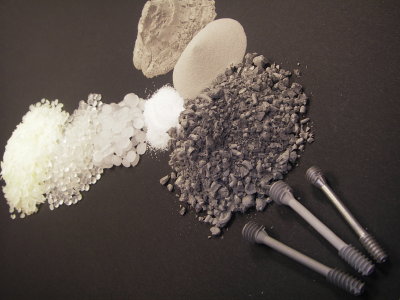
Metal powder injection molding: Top right the metal powders and polymer components left, center: the mixed Granualt. Below: component precursors, and the final Mg-Ca-bone screw to the right. [Photo:HZG/M. Wolff]


Is a paradigm shift imminent in the field of implant materials? Scientists at the Helmholtz Zentrum Geesthacht are engaged in research on biodegradable magnesium biomaterials which can be used as bone replacements in medical applications. They will present their research results from the 1st to 3rd November at the annual congress of the DGBM (German society for Biomaterials) in Hamburg.


When autumn arrives it brings wind and rain, leaves fall from the trees and settle on the ground. If someone slips on them, a bone can easily be broken. When a nail or a plate is required for the fixation of such a bone fracture, it is nowadays usually made of titanium, as this material is stable and well-tolerated by the human body. However, this foreign body must often be removed after the bone has healed, as there is otherwise a danger of inflammation or even bone loss.

According to Prof. Dr. Regine Willumeit, the head of the ‘Structural Research on Macromolecules’ department at the Helmholtz-Zentrum Geesthacht: “The aim of modern implant research is to develop a material which can be used in the body like a real replacement material. A biomaterial which at first supports the bone but then disappears of its own accord after the bone has recovered”.

Magnesium is excellently suited to this purpose. This element is naturally present in the human body and has the advantage that it can biodegrade in a pre-determined manner. It must, thereby, be both light and strong but also well-tolerated by the body. Research scientists at the Helmholtz-Zentrum in Geesthacht are therefore focussing their attention on this particular biomaterial.

The Helmholtz-Zentrum in Geesthacht has shown great expertise for many years in the research and production of prototypes for metallic biodegradable magnesium alloy implants. Material researchers are, for example, engaged in investigations into innovative magnesium-calcium alloys. These reveal material properties similar to those in bone; they are firm and at the same time elastic. Calcium appears to be well suited as an alloy as it would be able to degrade into non-toxic products in the body in the same way as magnesium. The degradation products would even be able to stimulate bone growth.

As Prof. Dr. Regine Willumeit explains: “ We are developing alloys in Geesthacht which have extremely promising properties for use in orthopaedic and traumatological applications. The colleagues at the Magnesium Innovations Center, MagIC, at the HZG, provide us with the starting material, we examine the factors which determine the degradation of the magnesium under physiological conditions”.

Scientists are not only engaged in research into the degradation process of the material itself. Tests are carried out in the Geesthacht laboratories in cell culture on the effects of the degradation on surrounding cells, for example. The scientists involved in this fundamental research into innovative implant materials have comprehensive analysis and test methods at their disposal.

As stable as bone, yet with good biodegradability


Would spare the second operation for removal of screws and plates: implant material of biodegradable magnesium [Photo: Istock 21545233]

The development of production processes is still causing researchers headaches. However, they have also made great progress in this area. The scientist Martin Wolff, from the powder technology department, has, for the first time, succeeded in producing magnesium-calcium bone screws by means of the metal powder injection molding process (MIM). 

As he explains: “The challenge in the case of magnesium lies in the high affinity of this material for oxygen. However, even small amounts of oxygen lead to dramatic changes in the mechanical properties of the component. Calcium, as an alloy partner, captures the oxygen in the production process during the so-called sintering procedure, and the material thus becomes firmer. This non-toxic alloying element has proved successful in achieving better results, at least in experiments. However, numerous further investigations now lie ahead, e.g. in cell culture and in the organism, before this material can be utilized as an implant material.

The Helmholtz researchers from Geesthacht will present their results at the Annual Congress of the Deutsche Gesellschaft für Biomaterialien, DGBM (German Society for Biomaterials), which is to be held at the Chamber of Commerce in Hamburg from 1st to 3rd of November 2012. The main focus this year will be on “Degradable Implants and Biomaterials”. The Congress will be led by Prof. Dr. Regine Willumeit.

Source:  Helmholtz Zentrum Geesthacht


Additional Information:
 
  • Poster Rapid Fire Presentation

New format for the presentation of research results. The scientist’s own research field and results must be clearly presented in only five minutes.
  • Metal powder injection moulding MIM

MIM uses injection moulding technology for the shaping process, which is also widely used in the field of plastics. The starting material is a fine metal powder which is mixed with a so-called binder. This mixture is fused at approx. 100 degrees centigrade. The binder is then chemically removed from the injection moulded part so that only the metal remains. The powder is compacted to the desired firm and dense body by means of a sintering process. 


Friday, 26 October 2012

Reclaiming rare earths: Laboratory improving process to recycle rare-earth materials

Engineerblogger
Oct 26, 2012
 
Rare-earth magnet scraps are melted in a furnace with magnesium.
Scientists at the Ames Laboratory are improving the process to reclaim
rare-earth materials.

Recycling keeps paper, plastics, and even jeans out of landfills. Could recycling rare-earth magnets do the same? Perhaps, if the recycling process can be improved.

Scientists at the U.S. Department of Energy’s (DOE) Ames Laboratory are working to more effectively remove the neodymium, a rare earth element, from the mix of other materials in a magnet. Initial results show recycled materials maintain the properties that make rare-earth magnets useful.

The current rare earth recycling research builds on Ames Laboratory’s decades of rare-earth processing experience. In the 1990s, Ames Lab scientists developed a process that uses molten magnesium to remove rare earths from neodymium-iron-boron magnet scrap. Back then, the goal was to produce a mixture of magnesium and neodymium because the neodymium added important strength to the alloy, rather than separate out high-purity rare earths because, at the time, rare earth prices were low.

But rare earth prices increased ten-fold between 2009 and 2011 and supplies are in question. Therefore, the goal of today’s rare-earth recycling research takes the process one step farther.

“Now the goal is to make new magnet alloys from recycled rare earths. And we want those new alloys to be similar to alloys made from unprocessed rare-earth materials,” said Ryan Ott, the Ames Laboratory scientist leading the research. “It appears that the processing technique works well. It effectively removes rare earths from commercial magnets.”

Ott’s research team also includes Ames Laboratory scientist Larry Jones and is funded through a work for others agreement with the Korea Institute of Industrial Technology. The research group is developing and testing the technique in Ames Lab’s Materials Preparation Center, with a suite of materials science tools supported by the DOE Office of Science.

“We start with sintered, uncoated magnets that contain three rare earths: neodymium, praseodymium and dysprosium,” said Ott. “Then we break up the magnets in an automated mortar and pestle until the pieces are 2-4 millimeters long.

Next, the tiny magnet pieces go into a mesh screen box, which is placed in a stainless-steel crucible. Technicians then add chunks of solid magnesium.

A radio frequency furnace heats the material. The magnesium begins to melt, while the magnet chunks remain solid.

“What happens then is that all three rare earths leave the magnetic material by diffusion and enter the molten magnesium,” said Ott. “The iron and boron that made up the original magnet are left behind.”

The molten magnesium and rare-earth mixture is cast into an ingot and cooled. Then they boil off the magnesium, leaving just the rare earth materials behind.

“We’ve found that the properties of the recycled rare earths compare very favorably to ones from unprocessed materials,” said Ott. “We’re continuing to identify the ideal processing conditions.”

The next step is optimizing the extraction process. Then the team plans to demonstrate it on a larger scale.

“We want to help bridge the gap between the fundamental science and using this science in manufacturing,” said Ott. “And Ames Lab can process big enough amounts of material to show that our rare-earth recycling process works on a large scale.”

Source: Ames Laboratory

Electron 'sniper' targets graphene

Engineerblogger
Oct 26, 2012


Credit: Oxford University

Because of its intriguing properties graphene could be the ideal material for building new kinds of electronic devices such as sensors, screens, or even quantum computers.

One of the keys to exploiting graphene's potential is being able to create atomic-scale defects – where carbon atoms in its flat, honeycomb-like structure are rearranged or 'knocked out' – as these influence its electrical, chemical, magnetic, and mechanical properties.

A team led by Oxford University scientists report in Nature Communications a new approach to a new approach to engineering graphene's atomic structure with unprecedented precision.

'Current approaches for producing defects in graphene are either like a 'shotgun' where the entire sample is sprayed with high energy ions or electrons to cause widespread defects, or a chemistry approach where many regions of the graphene are chemically reacted,' said Jamie Warner from Oxford University's Department of Materials, a member of the team.

'Both methods lack any form of control in terms of spatial precision and also the defect type, but to date are the only reported methods known for defect creation.'

The new method replaces the 'shotgun' with something more like a sniper rifle: a minutely-controlled beam of electrons fired from an electron microscope.

'The shotgun approach is restricted to micron scale precision, which is roughly an area of 10,000,000 square nanometres, we demonstrated a precision to within 100 square nanometres, which is about four orders of magnitude better,' explains Alex Robertson of Oxford University's Department of Materials, another member of the team.

Yet it isn’t just about the accuracy of a single 'shot'; the researchers also show that by controlling the length of time graphene is exposed to their focused beam of electrons they can control the size and type of defect created.

'Our study reveals for the first time that only a few types of defects are actually stable in graphene, with several defects being quenched by surface atoms or relaxing back to pristine by bond rotations,' Jamie tells me.

The ability to create just the right kind of stable defects in graphene's crystal structure is going to be vital if its properties are to be harnessed for applications such as mobile phones and flexible displays.

'Defect sites in graphene are much more chemically reactive, so we can use defects as a site for chemical functionalisation of the graphene. So we can attach certain molecules, such as biomolecules, to the graphene to act as a sensor,' Alex tells me.

'Defects in graphene can also give rise to localized electron spin, an attribute that has important future use in quantum nanotechnology and quantum computers.'

At the moment scaling up the team's technique into a manufacturing process to create graphene-based technologies is still a way off. Currently electron microscopes are the only systems that can achieve the necessary exquisite control of an electron beam.

But, Alex says, it is always possible that a scalable electron beam lithography type technique may be developed in the future that could allow for defect patterning in graphene.And it's worth remembering that it wasn't so long ago that the technology needed to etch millions of transistors onto a tiny slice of silicon seemed like an impossible dream.

Source: Oxford University

Additional Information:

Abu Dhabi Scientists Create Desert Rainstorms: Report

Engineerblogger
Oct 26, 2012
Credit: AP

Desert dwellers wishing to transform their arid surroundings into a profitable, crop-sustaining oasis have reportedly gotten one step closer to making that dream a reality, as Abu Dhabi scientists now claim to have created more than 50 artificial rainstorms from clear skies during peak summer months in 2010.

According to Arabian Business, the storms were part of a top secret, Swiss-backed project, commissioned by Sheikh Khalifa bin Zayed Al Nahyan, president of the UAE and leader of Abu Dhabi. Called "Weathertec," the climate project -- said to be worth a staggering $11 million -- utilized ionizers resembling giant lampshades to generate fields of negatively charged particles, which create cloud formation, throughout the country's Al Ain region, the Telegraph is reporting.

"We are currently operating our innovative rainfall enhancement technology, Weathertec, in the region of Al Ain in Abu Dhabid," Helmut Fluhrer, the founder of Metro Systems International, the Swiss company in charge of the project, is quoted as saying. "We started in June 2010 and have achieved a number of rainfalls."

Monitored by the Max Planck Institute for Technology, a leading tank for the study of atmosphere physics, the fake storms are said to have baffled Abu Dhabi residents by also producing hail, wind gales and even lightning.

"There are many applications," Professor Hartmut Grassl, a former institute director, is quoted by the Daily Mail as saying. "One is getting water into a dry area. Maybe this is a most important point for mankind."

Source: Huffington Post

Related Information:

Sunday, 9 September 2012

Using magnetism to understand superconductivity

Engineerblogger
Sept 10, 2012

 
© Brookhaven National Laboratory

EPFL research in atomic scale magnetism could play a role in the development of new materials that could permit lossless electricity transmission.

Might it one day be possible to transmit electricity from an offshore wind turbine to land-based users without any loss of current? Materials known as “high temperature” superconductors (even though they must be maintained at -140°C!), which can conduct electricity without any losses, were supposed to make this dream a reality. But over the past twenty-five years, scientists have not been able to make any progress in this area. Research being done in collaboration between Brookhaven National Laboratory (BNL) and EPFL’s Laboratory for Quantum Magnetism (LQM) could change that. Their study of magnetism at extremely small scales could give physicists a tool to use in their search for new superconducting materials.

Studying a superthin layer

There are some ceramics that are excellent insulators at room temperature but that become perfect conductors when submersed in liquid nitrogen. However, this phenomenon, known as “high temperature” superconductivity, is not at all well understood by physicists. They theorize that at these temperatures, the collective quantum magnetic properties of the atoms in the material might come into play. But studying the magnetic properties of these materials at this minuscule scale would require years of effort.

Mark Dean, John Hill and Ivan Bozovic from Brookhaven National Laboratory (BNL), Thorsten Schmitt from Switzerland’s Paul Scherrer Institut (PSI), and Bastien Dalla Piazza and Henrik Ronnow from EPFL have unveiled the phenomena at work at this atomic scale. Using a unique device, the Brookhaven team created a layer just a single atom thick. Then, despite the material’s extreme thinness, the PSI scientists were able to use an ultrasensitive instrument to measure the magnetic dynamics of the atoms. And then EPFL provided the final piece of the puzzle, with mathematical models to analyze the measurements.

A long-awaited research tool


“We now have a kind of flashlight that will show us what direction we should take in our search,” explains Ronnow. Without understanding how these superconducting properties occurred at these temperatures, researchers were probing in the dark, using trial and error, to explore promising new materials. By combining these results with other recent work done by LQM researcher Nikolai Tsyrulin, the EPFL team has provided a new method to help physicists in their search for new superconductors. It’s a long-awaited step forward in the field; the Nobel Prize recognizing the discovery of high temperature superconductivity was awarded more than 25 years ago.

Promises for the future

Electrical resistance in traditional power lines leads to energy losses on the order of 3% in the electricity grid. At the scale of an entire country, this translates into several thousand gigawatts, which, in Switzerland’s case, would be the equivalent of the electricity consumption of a city the size of Geneva. “The energy challenges we face are significant; being able to use superconductivity won’t solve all of them, but it would nonetheless enable huge energy savings,” Ronnow adds.

Source: EPFL

Additional Information: 

Related Article:

Could ancient Egyptians hold the key to 3D printed ceramics?

Engineerblogger
Sept 3, 2012


Video: Professor Stephen Hoskins shares more about the latest 3D printing methods in ceramics in this insightful interview.
A 7,000 year old technique, known as Egyptian Paste (also known as Faience), could offer a potential process and material for use in the latest 3D printing techniques of ceramics, according to researchers at UWE Bristol.

Professor Stephen Hoskins, Director of UWE's Centre for Fine Print Research and David Huson, Research Fellow, have received funding from the Arts and Humanities Research Council (AHRC to undertake a major investigation into a self-glazing 3D printed ceramic, inspired by ancient Egyptian Faience ceramic techniques. The process they aim to develop would enable ceramic artists, designers and craftspeople to print 3D objects in a ceramic material which can be glazed and vitrified in one firing.

The researchers believe that it possible to create a contemporary 3D printable, once-fired, self-glazing, non-plastic ceramic material that exhibits the characteristics and quality of Egyptian Faience.

Faience was first used in the 5th Millennium BC and was the first glazed ceramic material invented by man. Faience was not made from clay (but instead composed of quartz and alkali fluxes) and is distinct from Italian Faience or Majolica, which is a tin, glazed earthenware. (The earliest Faience is invariably blue or green, exhibiting the full range of shades between them, and the colouring material was usually copper). It is the self-glazing properties of Faience that are of interest for this research project.

Current research in the field of 3D printing concentrates on creating functional materials to form physical models. The materials currently used in the 3D printing process, in which layers are added to build up a 3D form, are commonly: UV polymer resins, hot melted 'abs' plastic and inkjet binder or laser sintered, powder materials. These techniques have previously been known as rapid prototyping (RP). With the advent of better materials and equipment some RP of real materials is now possible. These processes are increasingly being referred to as solid 'free-form fabrication' (SFF) or additive layer manufacture. The UWE research team have focused previously on producing a functional, printable clay body.

This three-year research project will investigate three methods of glazing used by the ancient Egyptians: 'application glazing', similar to modern glazing methods; 'efflorescent glazing' which uses water-soluble salts; and 'cementation glazing', a technique where the object is buried in a glazing powder in a protective casing, then fired.These techniques will be used as a basis for developing contemporary printable alternatives

Professor Hoskins explains, “It is fascinating to think that some of these ancient processes, in fact the very first glazed ceramics every created by humans, could have relevance to the advanced printing technology of today. We hope to create a self-glazing 3D printed ceramic which only requires one firing from conception to completion rather than the usual two. This would be a radical step-forward in the development of 3D printing technologies. As part of the project we will undertake case studies of craft, design and fine art practitioners to contribute to the project, so that our work reflects the knowledge and understanding of artists and reflects the way in which artists work.”

The project includes funding for a three-year full-time PhD bursary to research a further method used by the Egyptians, investigating coloured 'frit', a substance used in glazing and enamels. This student will research this method, investigating the use of coloured frits and oxides to try and create as full a colour range as possible. Once developed, this body will be used to create a ceramic extrusion paste that can be printed with a low-cost 3D printer. A programme of work will be undertaken to determine the best rates of deposition, the inclusion of flocculants and methods of drying through heat whilst printing.

This project offers the theoretical possibility of a printed, single fired, glazed ceramic object - something that is impossible with current technology.

Source: University of the West of England

Manufacturing crack-resistant lightweight components

Enginerblogger
Sept 9, 2012


In this test, the material sample is heated to welding temperature to determine its critical conditions for the formation of cold cracking.  © Chair of Joining and Welding Technology at the Brandenburg University of Technology

Cars, roof structures and bridges should become increasingly lighter, with the same stability, and thus save energy and materials. New high-strength steel is superbly suited for the needed lightweight design, because it can also withstand extremely heavy stresses. Yet these materials also betray a disadvantage: with increasing strength their susceptibility to cold cracking rises when welded. These miniscule fractures might form as the welded joints cool off – typically at temperatures below 200°C. In a worst case scenario, the welding seams would crack. For this reason, many industrial sectors are reluctant to employ these promising high-strength steel.

Scientists at the Fraunhofer Institute for Mechanics of Materials IWM in Freiburg, in conjunction with the Chair of Joining and Welding Technology LFT at Brandenburg University of Technology Cottbus (BTU) developed a new process for making cold cracking more predictable. “We are able to compute the probability of cold cracking as early as the design stage of a component, and immediately run through corrective measures as well,” explains Frank Schweizer of the IWM. Because whether such cold cracking occurs, and how quickly, depends on how high the concentration of hydrogen in the steel is, how the residual stress turns out, and how its microstructure is configured. Predicting the probability of cracking has been difficult until now. Manufacturers used to conduct expensive testing, for example by applying an increasingly higher tensile stress to a sample component, and then analyse what stress level would cause cracking. Not only are these tests time-consuming and cost-intensive, the findings can-
not be applied to subsequent components on a one-to-one basis – because the geometry of the component has a decisive influence on crack formation. Even currently available computer simulations failed to deliver the desired predictive accuracy for real components.

Lowering production costs, shortening development phases

The new approach could markedly reduce such costly methods in the future – and thus lower production costs while shortening development phases. The experts at LFT set up a special test, in order to precisely determine the cracking criterion on samples of highstrength steel. Beside typical influencing factors like hydrogen content, residual stresses and material structures that can be adjusted in at the same time, they also take into account the temperature gradients that emerge in the welding process.

The experts at IWM feed a computer simulation with this criterion in order to analyze the threat of cold cracking in random components and geometries. “This way, we can locate the areas on a welding seam at risk of cold cracking, for each point and at any time in the simulated welding process,” explains Frank Schweizer. The researchers can also get a preliminary look at the effects of any countermeasures, and make the necessary adjustments. To do so, they transfert the results back into the simulation, in order to fine-tune them there.

In the future, with the aid of this process, manufacturers of vehicles and machines could be able to define non-critical welding parameters and limiting conditions for their materials in advance – and thus establish a substantially more efficient and safer production process. This is especially relevant to materials that are difficult to weld, with very narrow processing windows regarding welding parameters or the pre- and post-heating temperatures. Fraunhofer IWM and LFT, in cooperation with Robert Bosch GmbH and ThyssenKrupp Steel Europe AG, are currently testing their new process on laser beam-welded demonstration models made of high-strength steels.

Boaz Almog “levitates” a superconductor

Engineerblogger
Sept 9, 2012


How can a super-thin 3-inch disk levitate something 70,000 times its own weight? In a riveting demonstration, Boaz Almog shows how a phenomenon known as quantum locking allows a superconductor disk to float over a magnetic rail -- completely frictionlessly and with zero energy loss.

Experiment: Prof. Guy Deutscher, Mishael Azoulay, Boaz Almog, of the High Tc Superconductivity Group, School of Physics and Astronomy, Tel Aviv University.

Source: TED